


Learn About: The Criminal Consequences of Using Claims of Divine Superiority
|
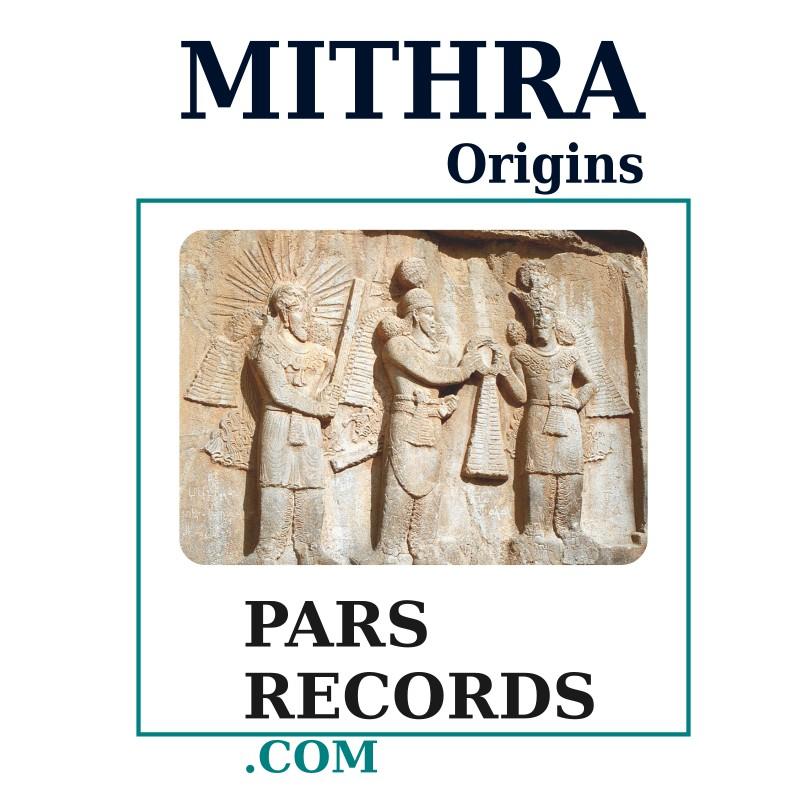
Relief from Taq-e Bostan in Kermanshah Iran. In this relief, Ardashir II is in the middle and to his right is Shapur II and to the left of the king, the god Mithra, with beams of light like the sun emanating from his head in all directions, and he is standing on a sacred lotus flower. learn more...
|
Let’s ROAR in Singapore: The 13th World Zoroastrian Congress
|

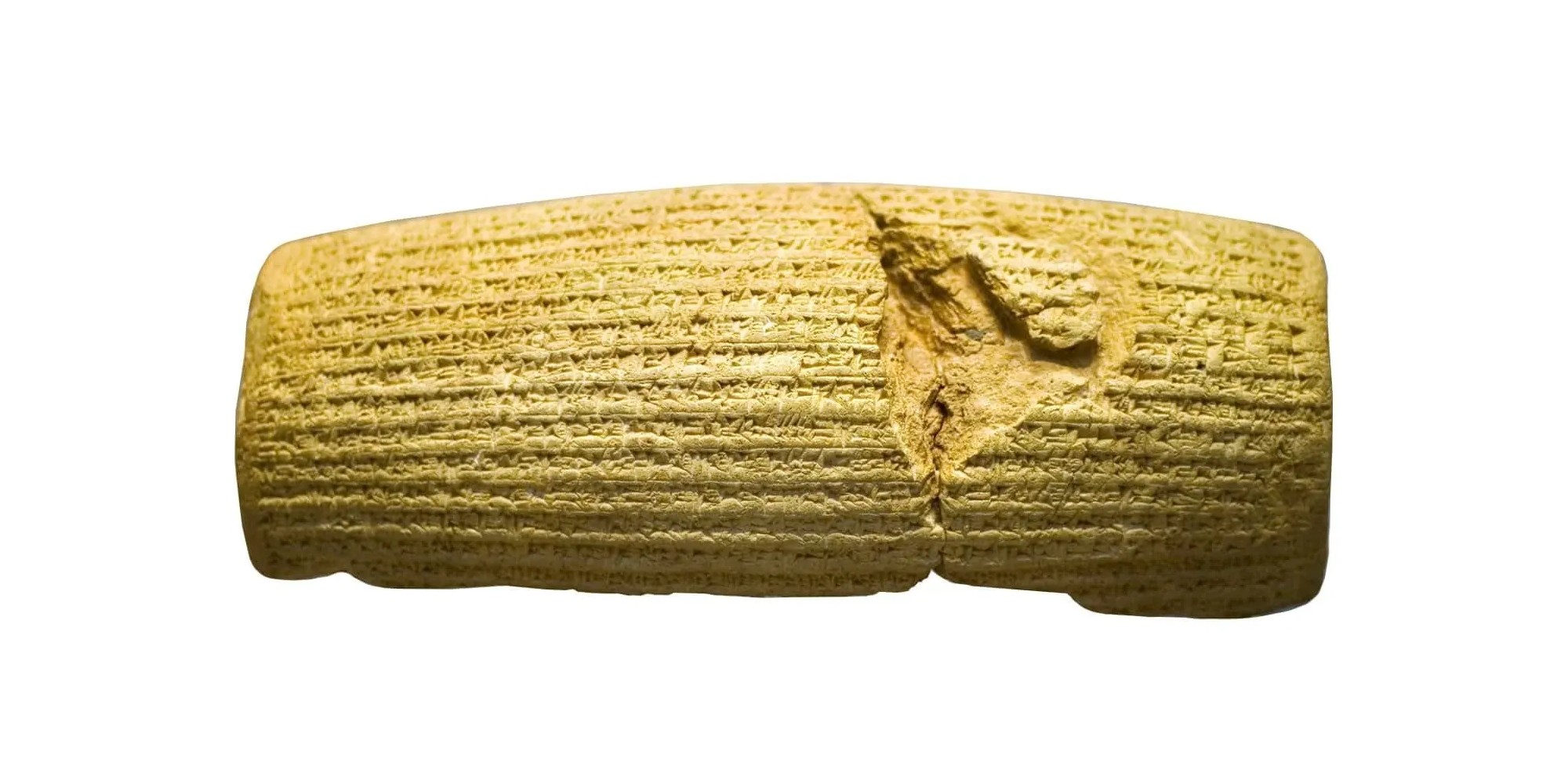
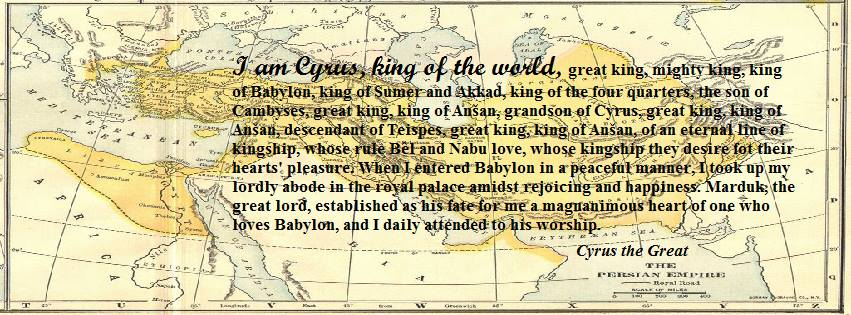
The Cyrus Cylinder is a clay tablet inscribed in 538 BC by order of Cyrus the Great, the Achaemenid king. The cylinder is housed in the British Museum, and parts of it are broken and missing. Another version of the text of the cylinder has been found on two clay tablets, which are also in the British Museum's Babylonian collection and are considered to be the surviving archived version of the same cylinder. The first half of the tablet is in the language of Babylonian chroniclers, and the last half is the words and orders of Cyrus, all written in the Akkadian (Neo-Babylonian) cuneiform script and language. The cylinder was discovered in 1879 AD (1258 solar year) in the temple of Esgile in the ancient city of Babylon. The name of the scribe who copied the text of the Cyrus Cylinder was Qishti-Marduk, but the name of the scribe who wrote the original text is unknown. In writing the Cyrus Cylinder, the Babylonian scribes drew on a thousand-year tradition of Assyrian and Babylonian royal building inscriptions. In such texts, kings not only recorded the construction and reconstruction of temples, palaces, towers and ramparts, aqueducts, and other public activities, but also used this opportunity to keep alive their names, genealogies, titles, and attributes, and the divine support of their rule.

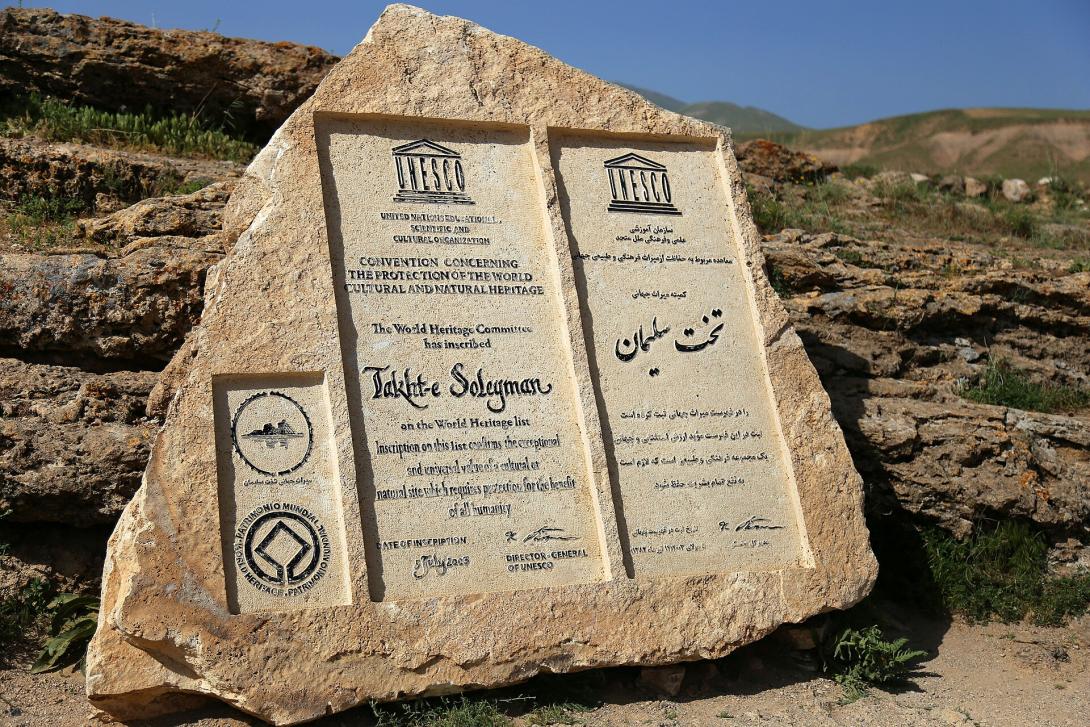
Throne of Solomon: Persia’s 4th World Heritage Site
Shahnameh Is One of Our Greatest Assets for Preserving Persian Identity |

In keeping with the ancient and enduring Persian tradition of defense over aggression, Pars Records declare that any form of threats or inflammatory rhetoric issued by certain individuals within Persia cultural geography—regardless of one's views on the policies or actions, whether positive or negative, of other countries—will not contribute to peace, stability, or constructive dialogue.
On the contrary, such statements may prove harmful and, in the worst cases, lead to serious and unintended consequences. They can also provide material for extremists and sensationalist media, further escalating tensions and undermining efforts toward mutual understanding and regional stability.
Pars Records therefore reaffirms our commitment to responsible discourse, restraint, and the pursuit of peaceful engagement in accordance with our longstanding cultural values.
 |
 |
The Persians, arising from the deep roots of the thousands years civilization of Persia, with an unquestionable emphasis on the national identity and Persian language. We believe that returning to Persian originality as A+ civilizational project - is the intelligent path to prosperity and true independence. because preserving national identity is preserving honor.
Art and Literature: The Safeguard of Local Languages
Did Ferdowsi Deliberately Avoid Using Arabic Words in the Shahnameh?
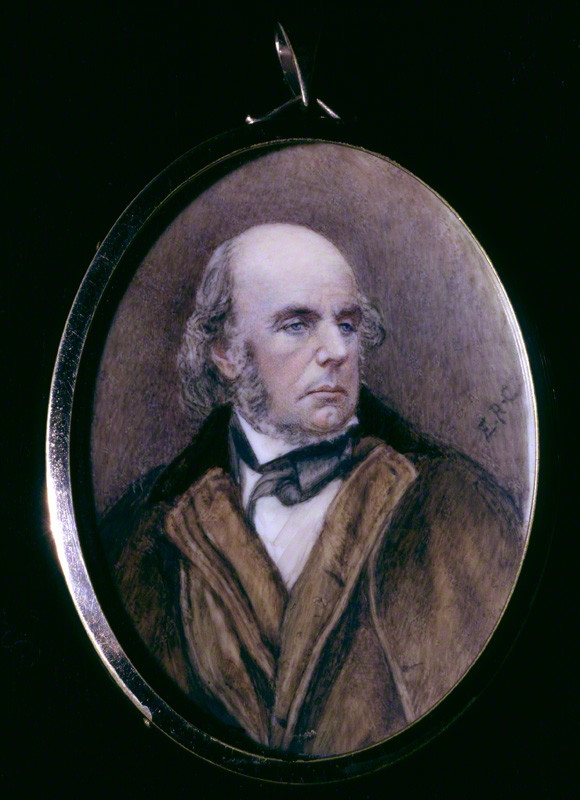 🔺Edward FitzGerald |
 |
Khayyam's boyhood was spent in Nishapur, a leading metropolis in the Seljuk Empire, which had earlier been a major center of Zoroastrianism (Mazdayasna)
Main interests: Mathematics, Astronomy, Persian philosophy
Adolescence to Adulthood
War, Political Survival and the Political Economy of Violence in the Middle East

Some of the following contents are gathered in purpose of learning the ancient Persian history.
 |
 |
The Cyrus Cylinder is recognized as the first written manifestation of universal principles such as freedom, justice, tolerance and respect for cultural diversity. This acknowledgment celebrates a shared human heritage that transcends borders reminding us that the pursuit of peace, dignity and understanding among nations has deep historical roots 🕊️
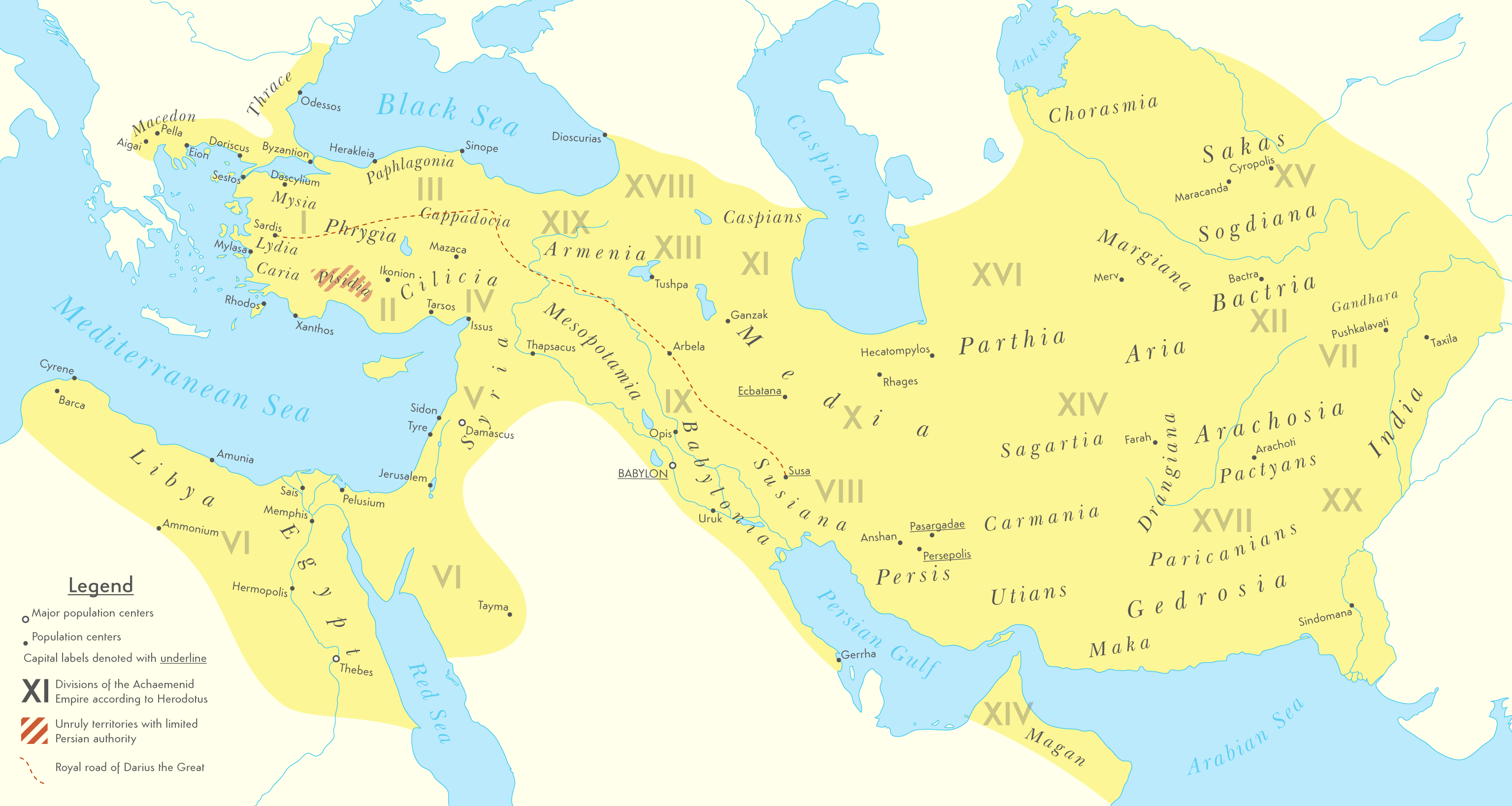
Satrap originally referred to provincial governors in the ancient Persian Empire. These officials were appointed by the king and were responsible for governing specific regions of the empire. The term has also been used more broadly to refer to any subordinate ruler or local governor who exercises authority on behalf of a higher power, especially in a decentralized or hierarchical political system. In contemporary usage, it might be applied metaphorically to describe someone who exercises authority over a specific domain or territory within a larger organization or structure.
The Contraction of Political Vision: From Advanced Statecraft to Sectarian Constitutional
 |
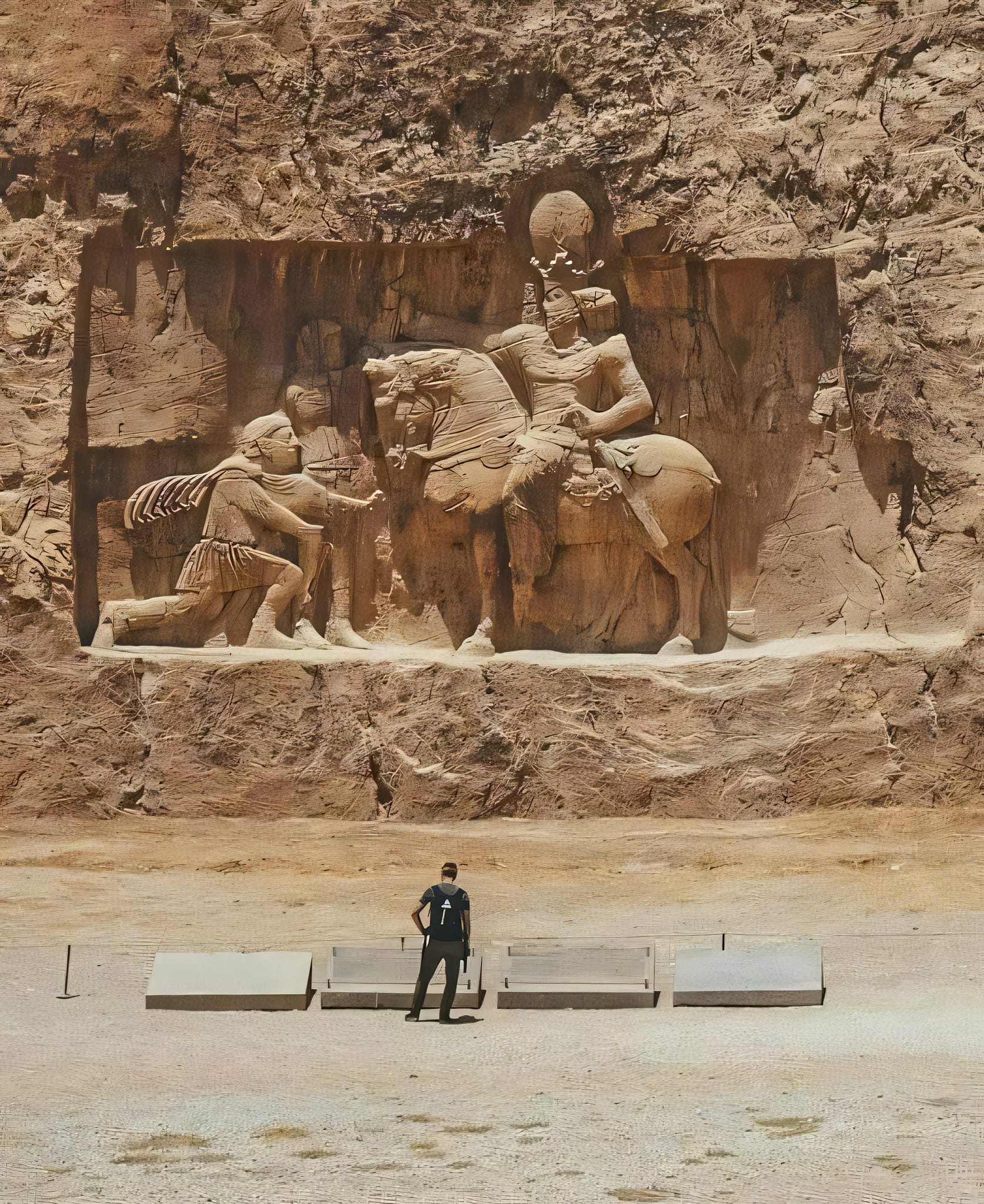 |
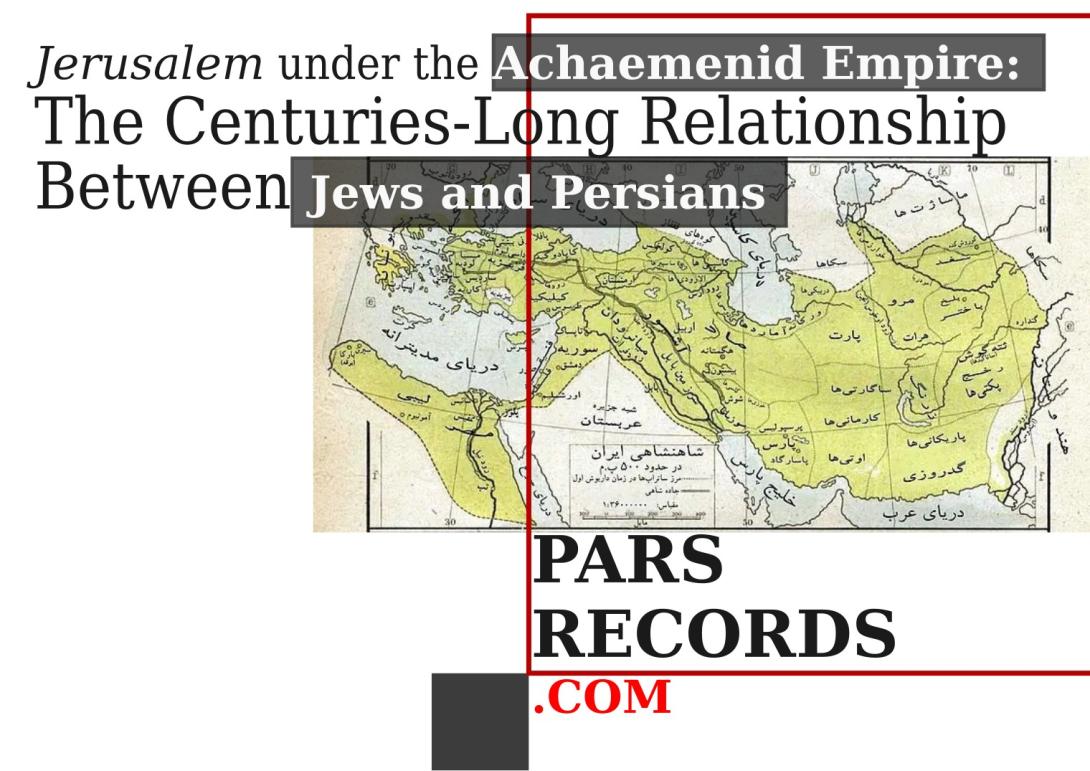
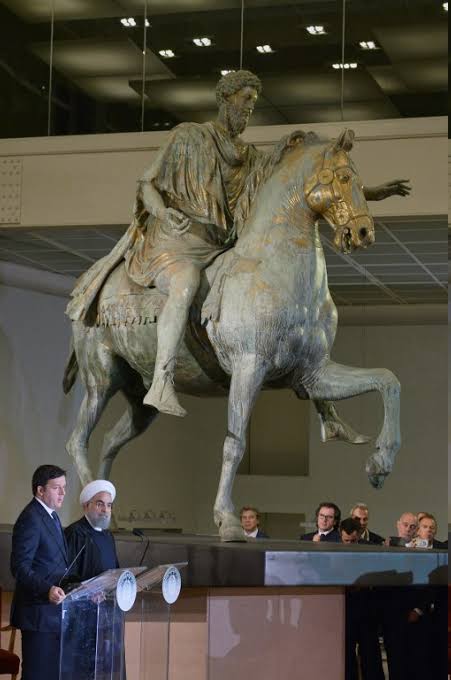
PERSIA was an empire in the modern sense of the word. It consisted of various countries which, although dependent upon the Persian monarchy, retained their own individuality, customs, and laws. The general laws that were enacted, while binding upon all, did not harm ethnic particularities; rather, they even supported them, so that each of the peoples composing the empire maintained its own political system. Just as light shines upon everything and fills each thing with life in its own way, the Persian Empire embraced many peoples and left each free in its distinctive character and way of life. Some of these peoples even continued to follow their own kings and preserved their own languages, attire, manner of living, and customs. All of these coexisted peacefully under the impartial authority of “Light”
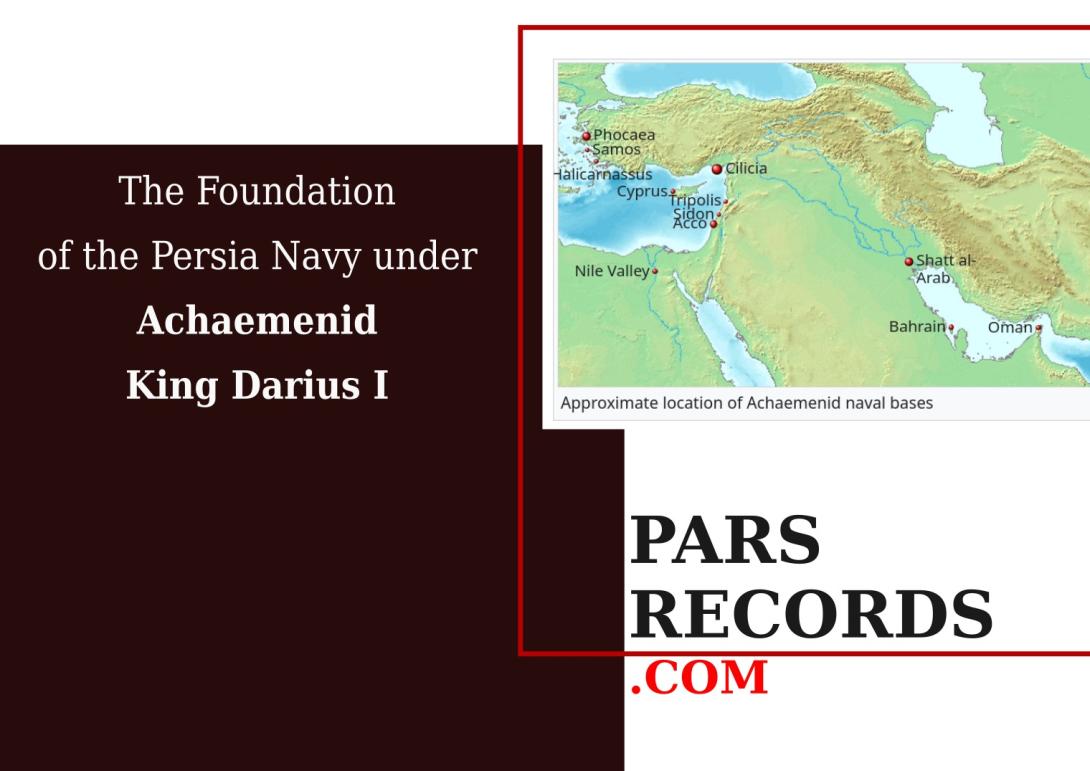
The Persian Empire contained all three geographical elements that we previously distinguished from one another. First, the mountainous regions of Persia and Media; second, the valleys of the Tigris and Euphrates, whose inhabitants had been united under the influence of an advanced civilization, as well as Egypt—the valley of the Nile—which had nurtured industry, agriculture, and various branches of knowledge. Finally, the third element of the Persian Empire consisted of the peoples who ventured foremost into the dangers of the seas: the Syrians, the Phoenicians, and the inhabitants of the Greek colonies and the Greek coastal provinces of Asia Minor. Thus Persia united within itself these three natural principles, whereas China and India remained largely detached from the sea.
 |
 |
Cultural Renaissance in Tajikistan: Reviving Authentic Persian Heritage through the Promotion of the Shahnameh
In Persia there was neither the rigid and uniform totality that I observed in China, nor the disorder produced by desire throughout Hindu life. Here, although the government gathered all peoples together within a centralized unity, it nevertheless left each to itself. In this way, the savagery and cruelties that had characterized the conflicts of peoples with one another—of which the books of the Prophets and the Book of Samuel in the Torah bear witness—came to an end. The complaints and curses of the Jewish prophets regarding the conditions that prevailed before Cyrus conquered Babylon testify to the misery, corruption, and confusion of their circumstances, as well as to the prosperity that Cyrus bestowed upon the whole of Western Asia.
Adapted from Lectures on the Philosophy of World History by Georg Wilhelm Friedrich Hegel
|
History of Persian rule over the three islands |
||||||||||||||
 |
||||||||||||||
|
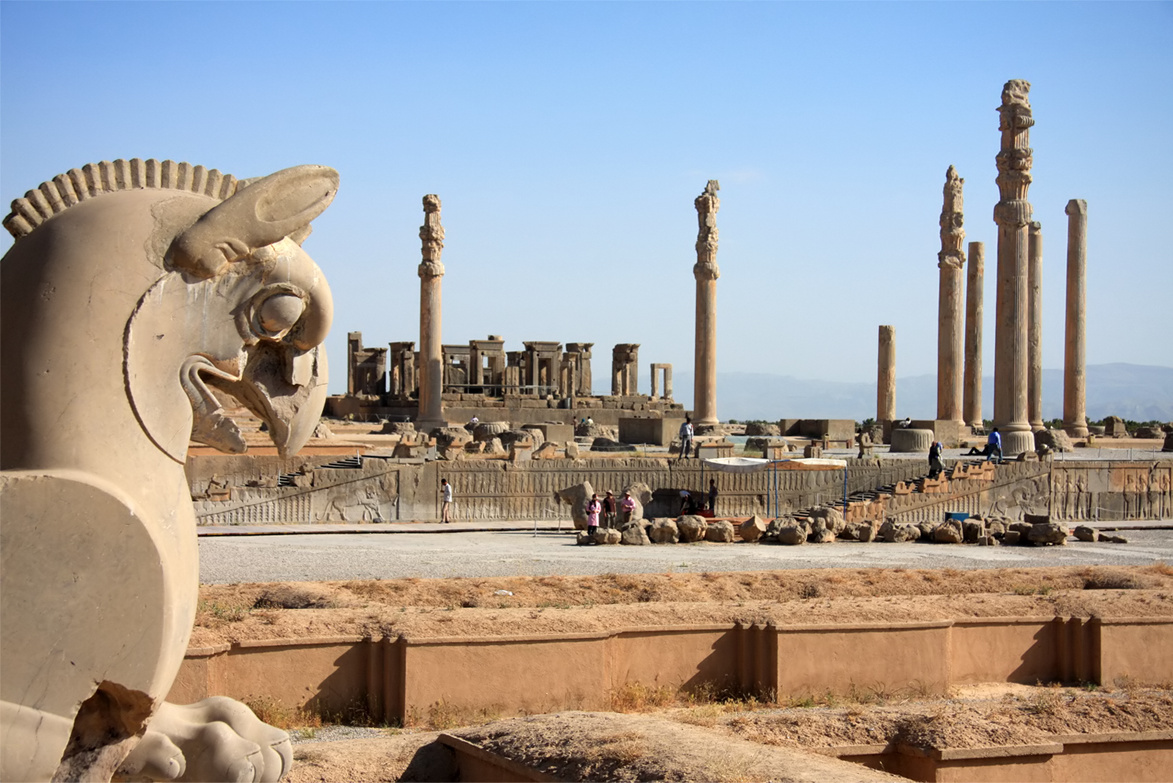
PERSEPOLISAlso called Taḵt-e Jamšid “Jamšid’s Throne” in Persian, the ruined monuments of the acropolis of the city of Pārsa, the dynastic center of the Achaemenid Persian kings, located in the plain of Marvdašt, some 57 km northeast of Shiraz. One of the best-known sites of the ancient world, Persepolis was registered by the UNESCO as a World Cultural Heritage in 1979
Learn About: The Institution of Dowry in Iran ✔️Learn About: Saudi Arabia’s Regional Security Implications
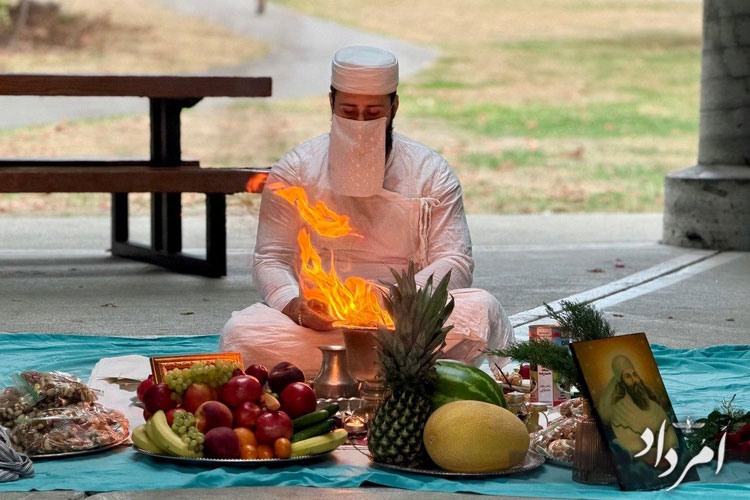
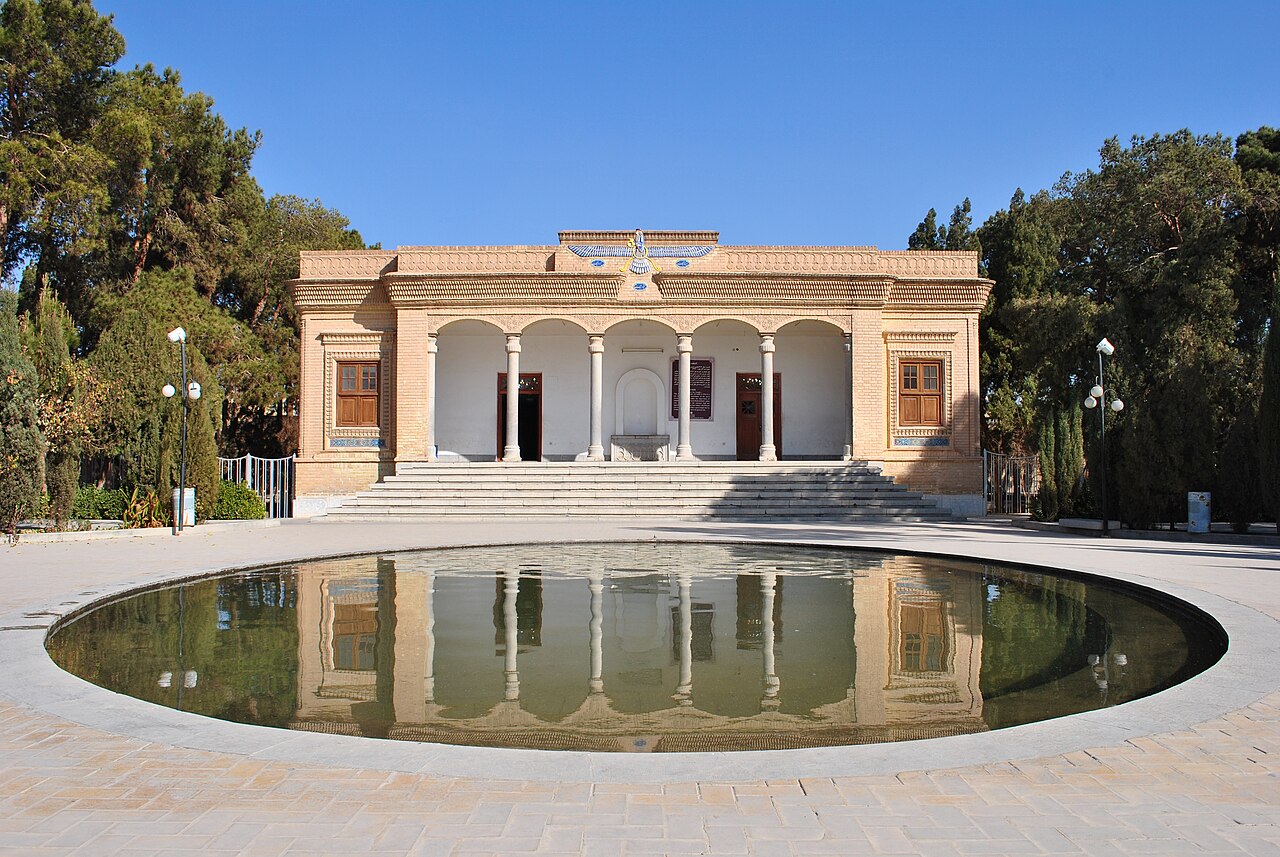
The Zoroastrian Association of Washington State held the Piteshahim Gahambar ceremony on Saturday, 12th September 2026, in the city of Kirkland, featuring Avesta recitations by Mobed Ashkan Samyari and the attendance of community members. Following the recitation, Mobed Ashkan Samyari spoke about the philosophy of the Gahambar and the importance of solidarity among Zoroastrians. The six Gahambars are ancient Zoroastrian rituals observed during the final five days of each Gahambar period; beyond their religious significance, they serve as an occasion for community members to gather and foster solidarity.
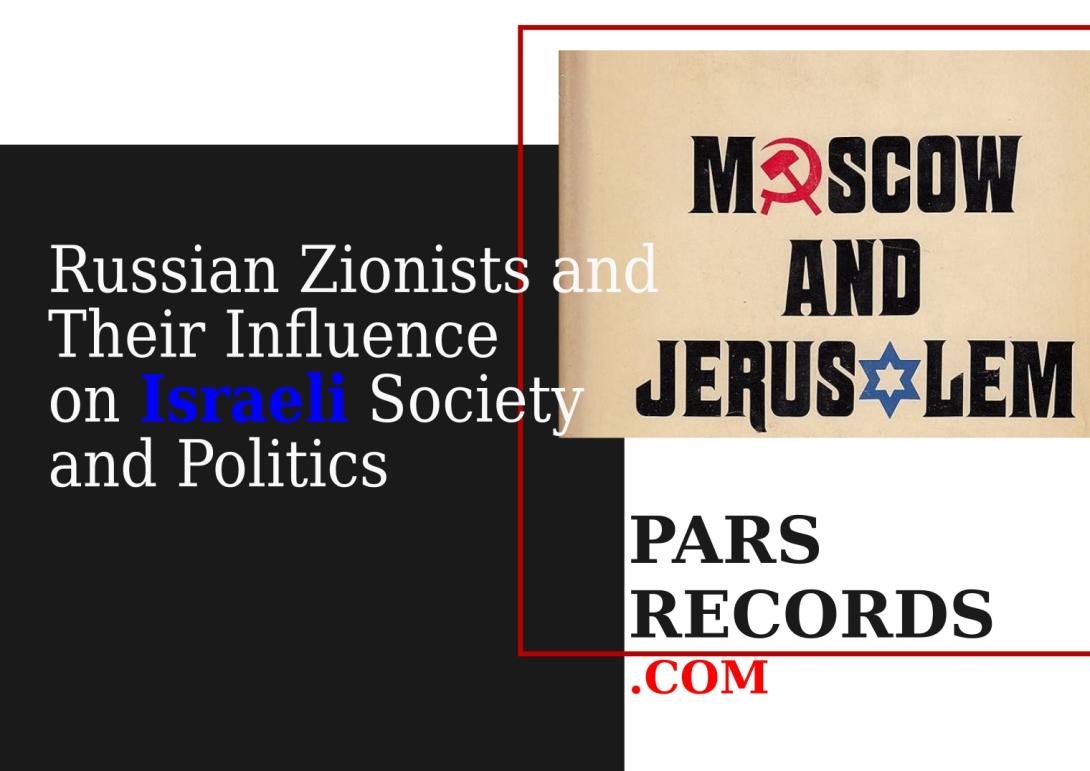
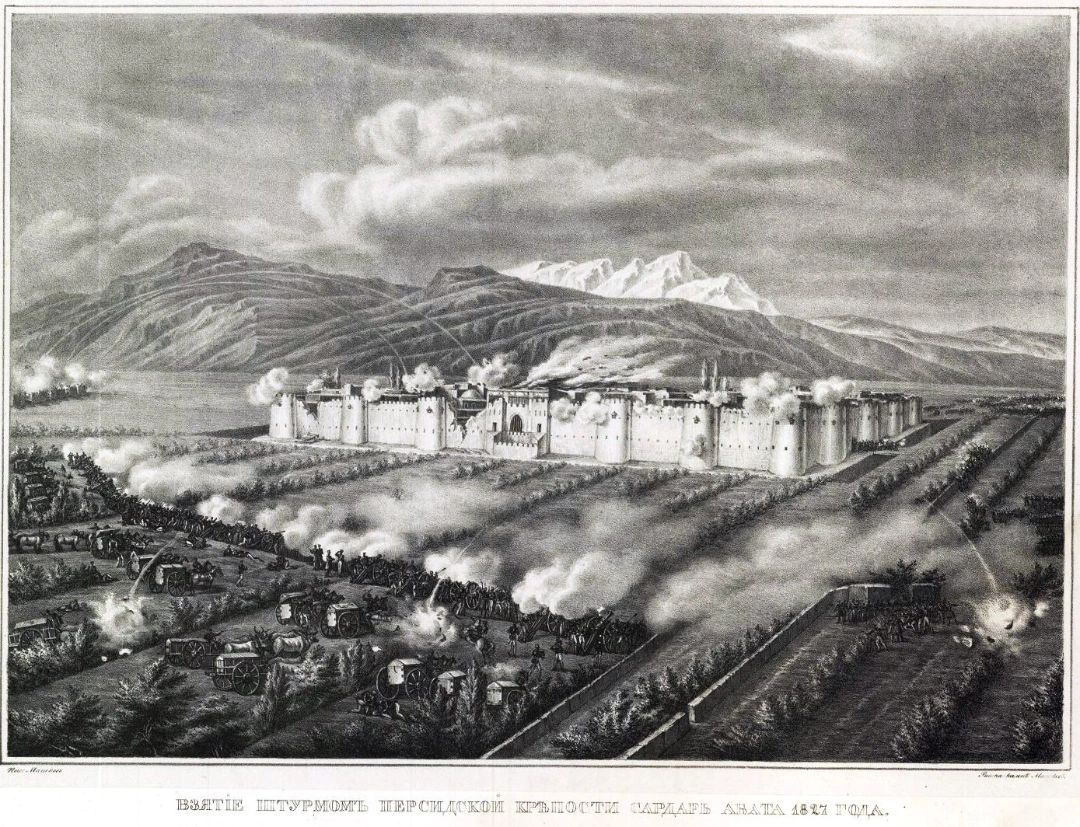
A depiction of the Tsar attack on the Persian fortress of Sardarabad near Yerevan in 1827 Israel has a large Russian-speaking population due to immigration from the former Soviet Union, especially in the 1990s, and Russian speakers serve throughout the IDF. Hearing Russian in videos from Gaza is therefore not surprising by itself. War never changes. It always brings destruction and loss. But smart diplomacy can change everything, turning conflict into cooperation and creating opportunities for peace, progress, and prosperity.
|
||||||||||||||

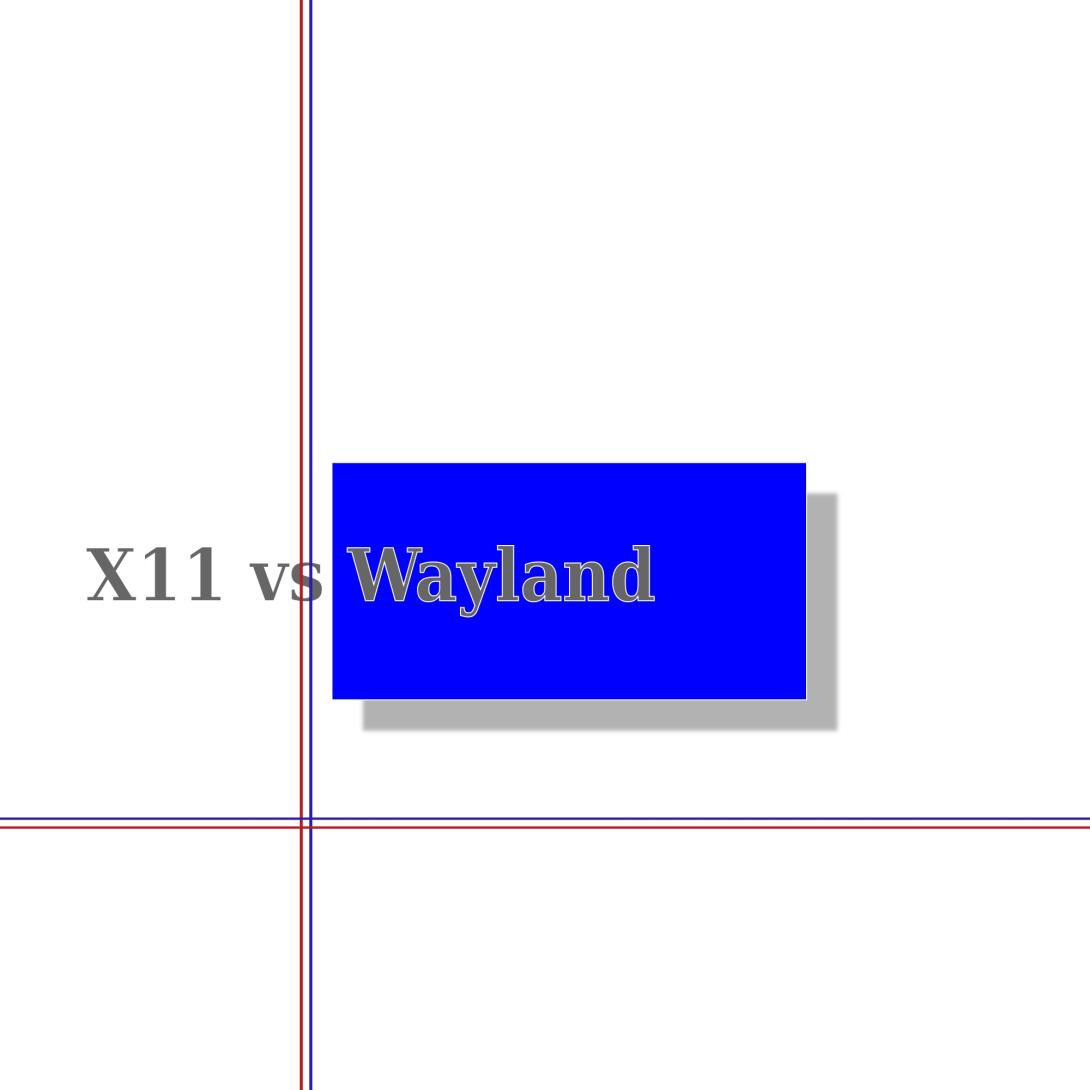
Plasma is going all Wayland: support for X11 applications will be fully entrusted to Xwayland, and the Plasma X11 session will no longer be included. |
 |
|||||||||||||
 |
||||||||||||||
 |
||||||||||||||
 |
||||||||||||||


 |
 |
History of Ancient Persia Standards |
|
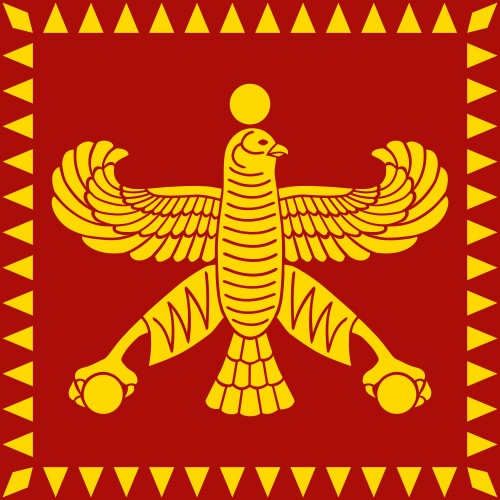
The oldest flag found in Iran is the Bronze Age Shahdad Standard, found in Shahdad, Kerman province, dating back to c. 2400 BCE, It is a square bronze object measuring 23 centimetres (9.1 in) x 23 centimetres (9.1 in), surmounted by an eagle figure and mounted on a pole.
Derafsh Shahbaz Shahbaz is the name of a fabled bird in Persian mythology. It is described as having a body similar to an eagle, being bigger than a hawk or falcon, and having inhabited an area within the Zagros, the Alborz, and the Caucasus within Greater Iran. In ancient Persian mythology, the Shahbaz was a god who helped the Iranian peoples and guided the Faravahar to the Iranian lands.
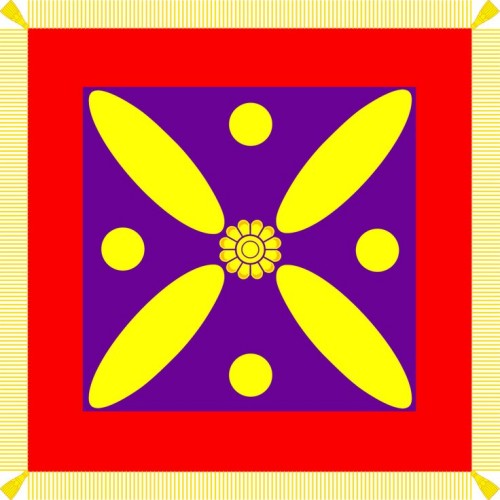
Derafsh Kaviani The Derafsh Kaviani is the legendary and historical national flag of pre-Islamic Iran, notably serving as the official standard of the Sasanian Empire (224–651). |

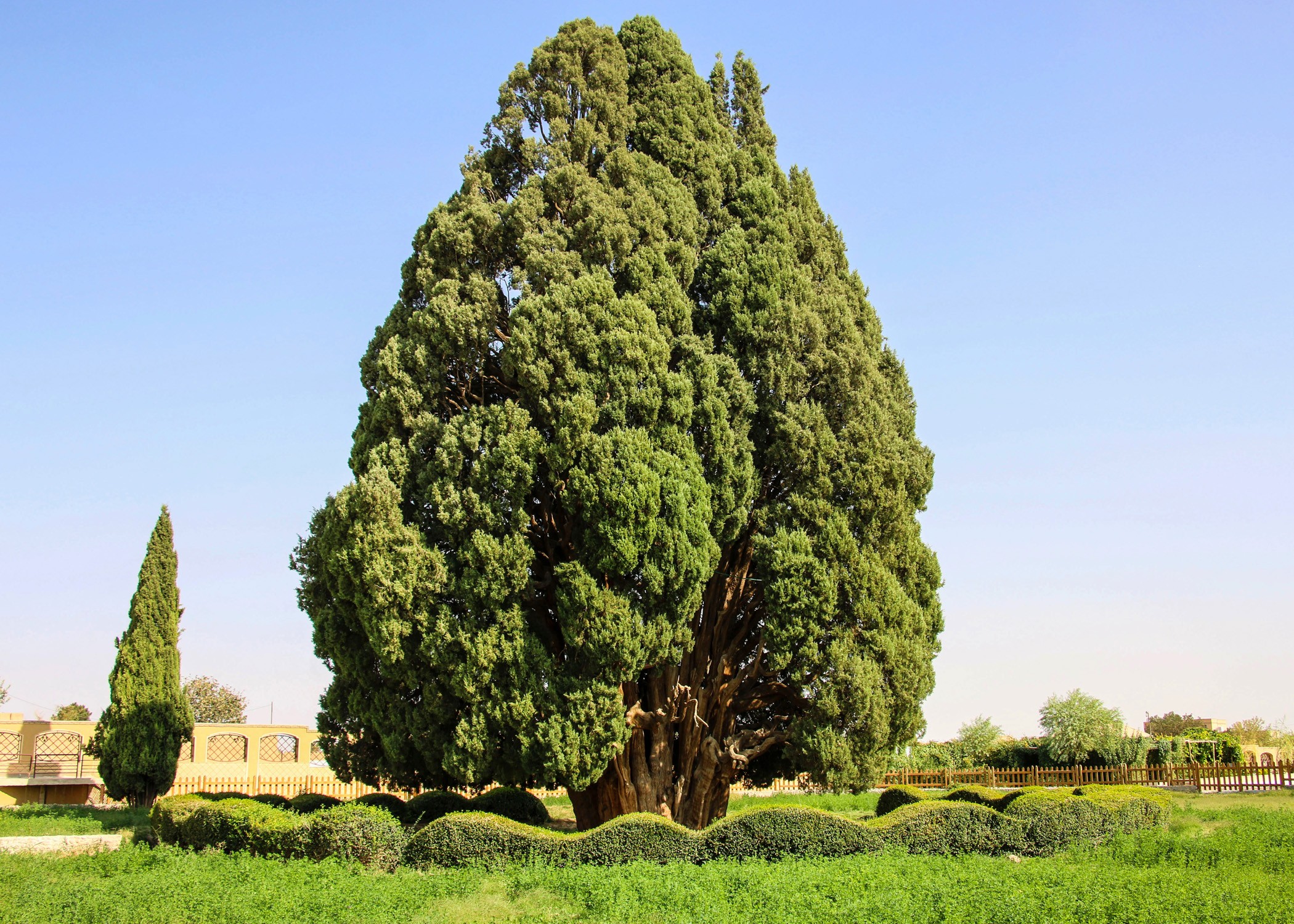
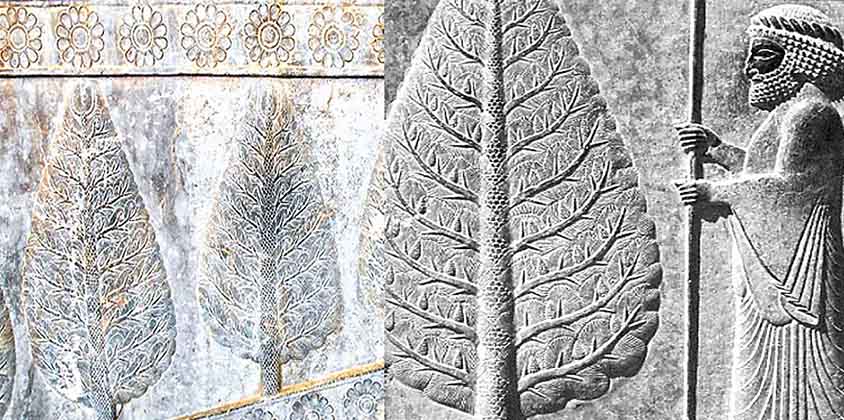
Abarkuh Cypress, one of the oldest living things in the world, is located in the historical city of Abarkuh in Yazd province and is known as a symbol of endurance, longevity and natural history. This huge and legendary tree, with an age of about 4,000 years (i.e. 1,500 years before the appearance of Cyrus the Great in Persia), has become one of the most important natural and historical attractions in Iran. The height of this ancient cypress is more than 25 meters, the diameter of its trunk is about 4.5 meters, and the circumference of its trunk reaches 11 meters. The Abarkuh cypress is not only valuable from a historical and natural perspective, but also has a special place in the culture and beliefs of the local people. Many believe that this tree has witnessed many events and changes throughout human history and for this reason, it is mixed with local legends and stories.

Smart Platforms Manifesto |Unix-like Distributions