History & Society


A NATIONAL DEDICATION BY MONTAZERI.ORG

By admin , 20 July, 2026

Amordad: Recently, Dr. Neda Ghiathi, a professor at the University of Art, delivered a lecture titled "The Concept of History in Ferdowsi's Shahnameh" at the Faculty of Literature and Human Sciences of the University of Tehran, at the invitation of the University's Student Scientific Association of History. What follows is a report of her talk. Dr. Ghiathi is the author of the acclaimed book Karestan-e Sokhan: The Interweaving of Imagination and Reality in the Shahnameh (Dr. Mahmoud Afshar Endowment Foundation Publications, 2024).

By admin , 16 July, 2026

The Armenian Genocide of 1915–1917 represents one of the most consequential episodes of mass violence in modern history and remains a central case study in genocide scholarship. This article examines the destruction of Armenian communities within the Ottoman Empire during the First World War, focusing on the relationship between state policy, wartime security concerns, demographic transformation, and genocidal intent. Drawing upon Ottoman archival materials, diplomatic correspondence, survivor testimonies, demographic studies, and the broader historiography of genocide studies, this article analyzes the mechanisms through which mass deportation evolved into systematic destruction.

By admin , 16 July, 2026

About the Author

Yahya Zoka (1923–2001) was an Iranian scholar, university professor, historian of Iranian art, and one of Iran's foremost experts on artistic heritage. He was born in Tabriz.

By admin , 15 July, 2026

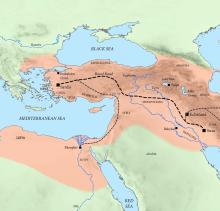
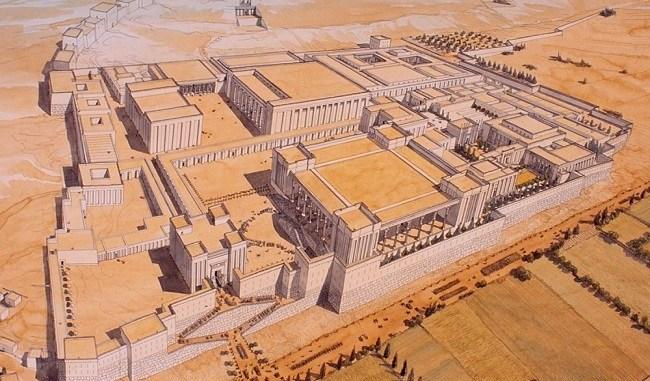
The Achaemenid Empire (c. 550–330 BCE) ruled most of what is now Turkey for over two centuries, but unlike in Iran, there are relatively few monumental buildings that are unmistakably "Persian." This is because the Achaemenids generally governed Anatolia through existing local kingdoms and cities rather than replacing them with entirely new Persian cities.

By admin , 15 July, 2026

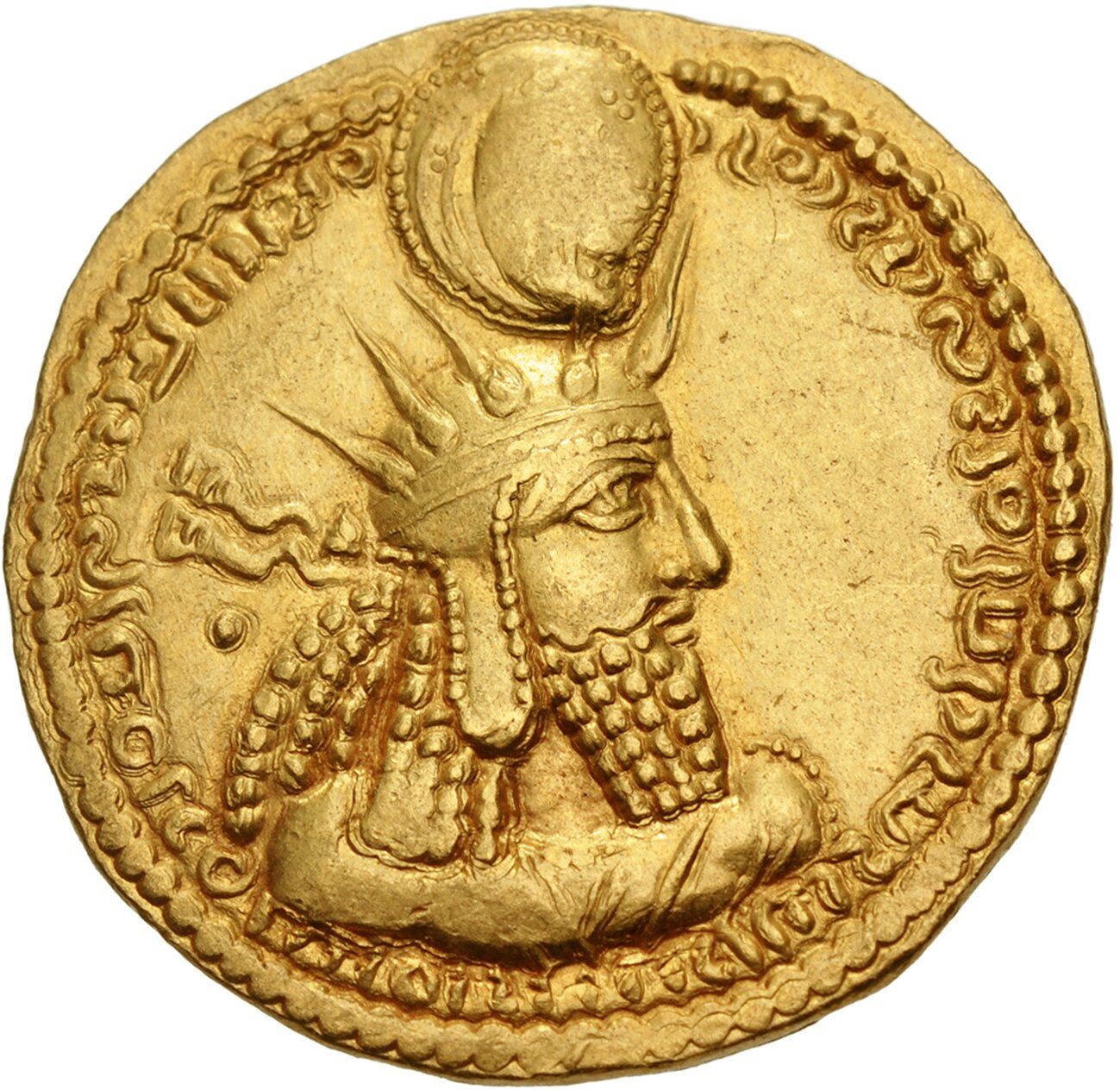
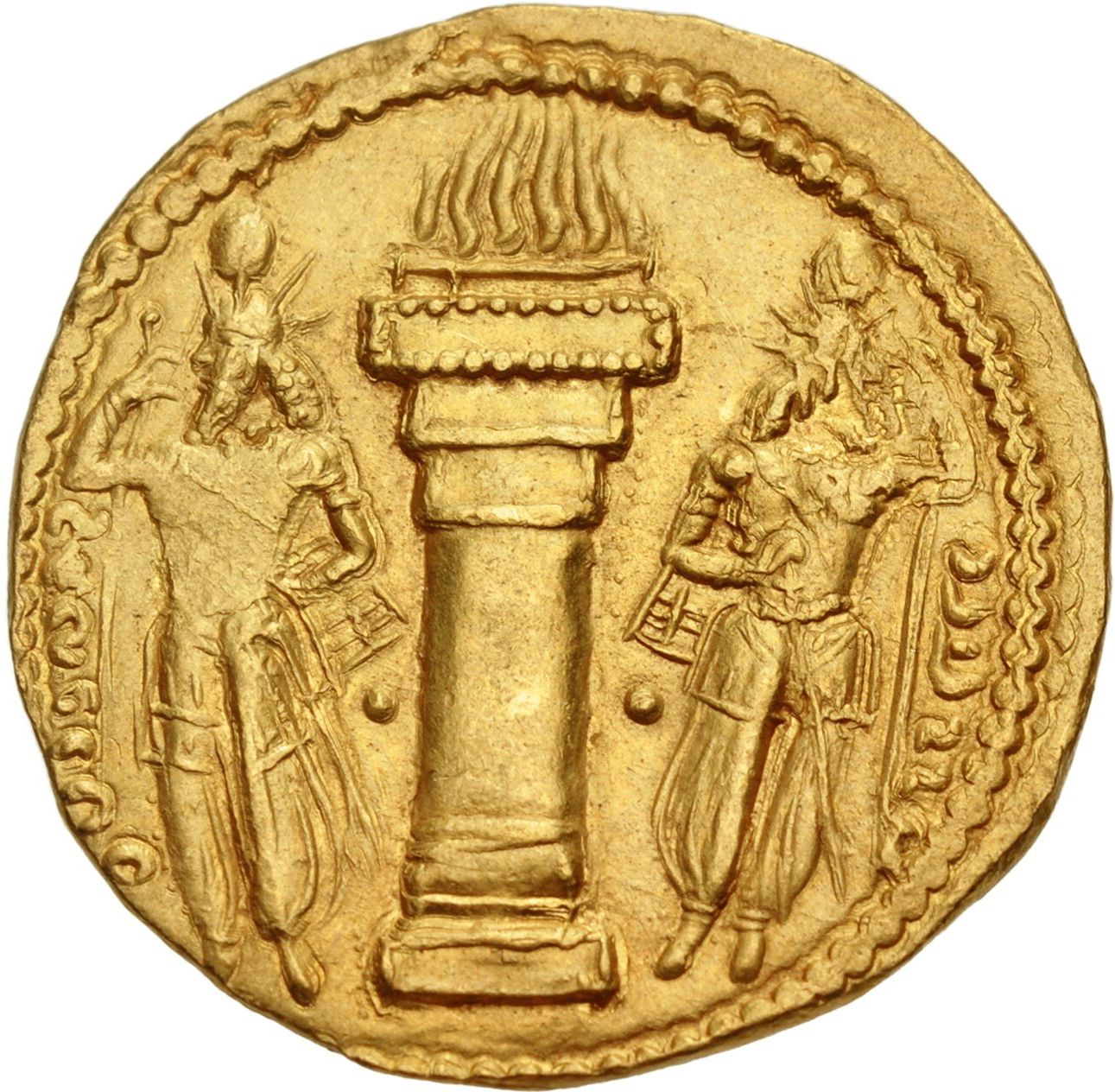
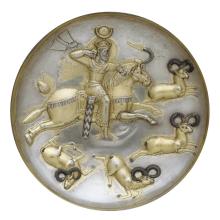
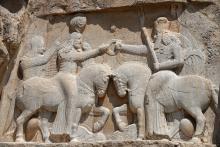
The Sasanian (Sassanid) Empire (224–651 CE) controlled only a relatively small part of what is now Turkey, and usually only for limited periods. As a result, there are far fewer unmistakably Sasanian ruins in Turkey than Achaemenid or Roman/Byzantine remains. Most surviving sites are frontier fortifications, battlefields, or cities contested between the Roman/Byzantine and Sasanian empires, rather than monumental Sasanian palaces like those in Iran or Iraq.

By admin , 14 July, 2026

The establishment of a structured naval force under the Achaemenid Empire represents one of the most significant developments in the history of Persian maritime power. While maritime activities in the Persian world predate the Achaemenids by millennia, the reign of King Darius I (r. 522–486 BCE) marked a decisive transformation from regional seafaring traditions into an organized imperial naval system.

By admin , 13 July, 2026

The Iranian Constitutional Revolution of 1906 (Mashruteh) represented one of the most remarkable political transformations in nineteenth- and early twentieth-century Asia. Despite its structural weaknesses, limited social participation, and failure to establish a fully democratic system, the movement introduced unprecedented concepts of constitutional governance, rule of law, representative institutions, and limitations on absolute authority.

By admin , 12 July, 2026

The transition from adolescence to adulthood is characterized by profound cognitive, emotional, and social development. While young people increasingly seek independence during this period, they continue to require consistent parental guidance to cultivate sound judgment, moral reasoning, emotional regulation, and a realistic understanding of life. This paper argues that until individuals attain an initial level of intellectual maturity and a foundational understanding of life's complexities—often occurring around the age of twenty, though varying across individuals—wise parental leadership through regular conversation and daily interpersonal interaction remains an essential component of healthy development. Drawing upon developmental psychology, neuroscience, and social learning theory, this article examines how continuous parental engagement contributes to the formation of responsible, resilient, and ethically grounded adults.

By admin , 11 July, 2026

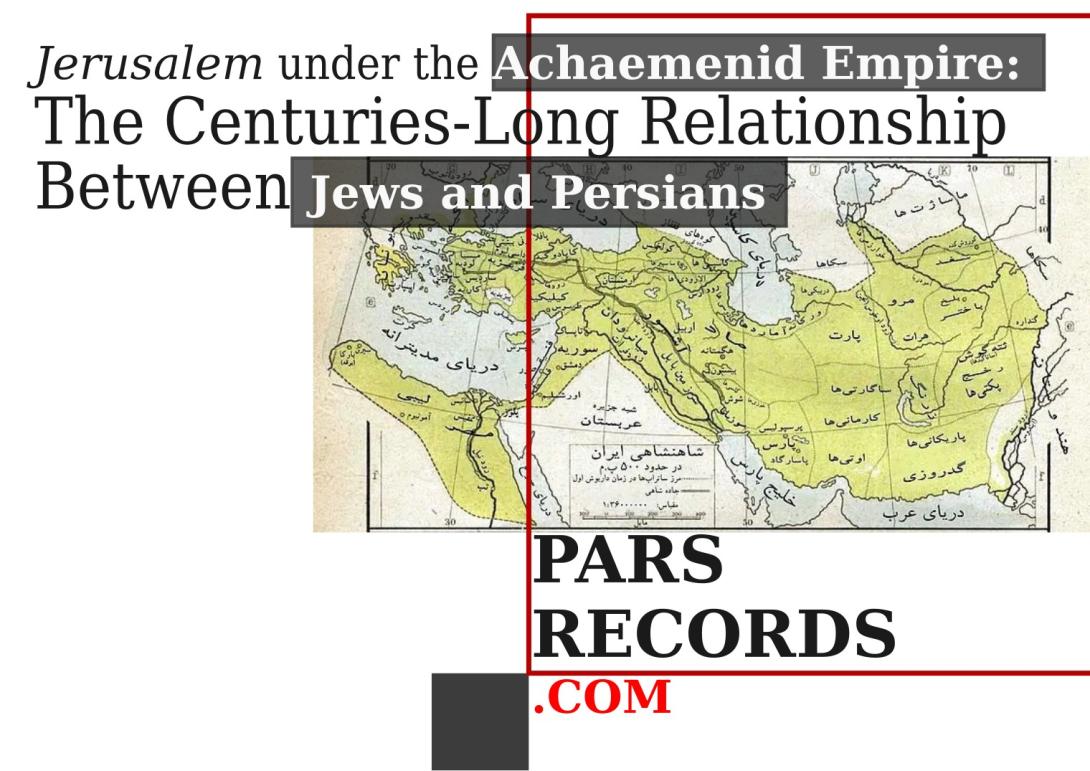
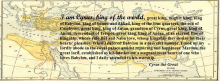
The relationship between the Jewish people and the Persians is among the oldest continuous interactions between two civilizations in world history. Unlike many imperial powers of the ancient Near East, the Persian Achaemenid Empire is remembered in Jewish historical memory not primarily as a conqueror but as a liberator and protector. This relationship began in the sixth century BCE with the conquest of Babylon by Cyrus the Great and continued, in various forms, through the Achaemenid, Parthian, Sasanian, and Islamic Persian periods, extending into the modern era.