
The Achaemenid Empire (c. 550–330 BCE) ruled most of what is now Turkey for over two centuries, but unlike in Iran, there are relatively few monumental buildings that are unmistakably "Persian." This is because the Achaemenids generally governed Anatolia through existing local kingdoms and cities rather than replacing them with entirely new Persian cities.
The best places to see Achaemenid-period remains today are:
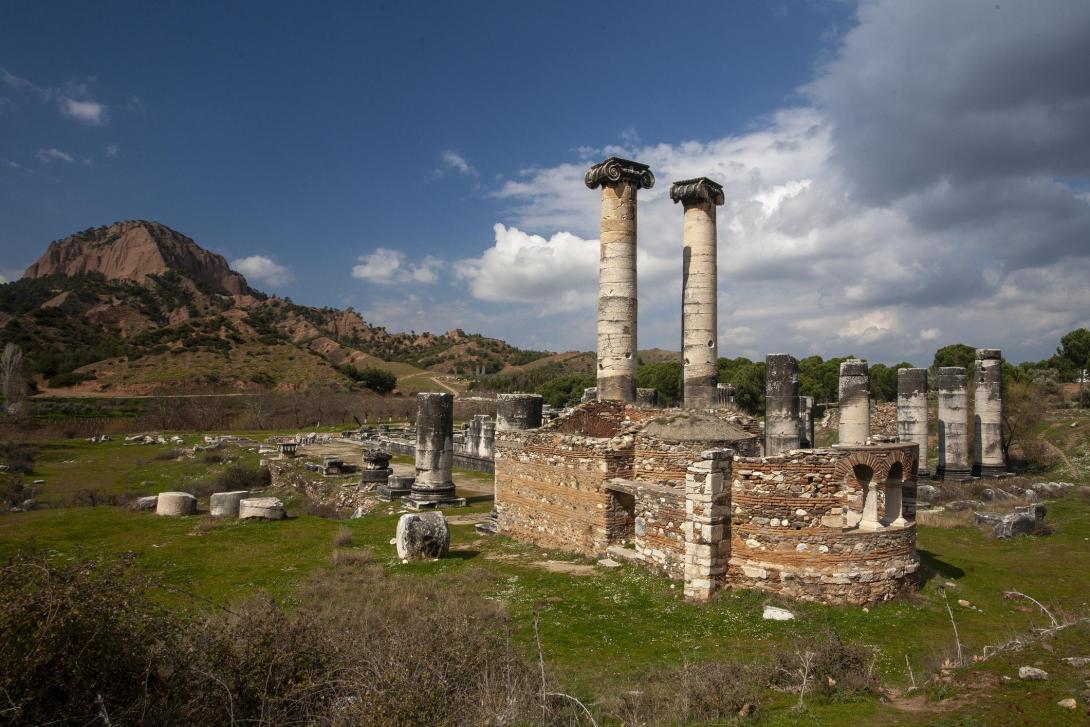
1. Sardis (modern Sart, Manisa Province) — the most important Persian site
This is by far the most significant Achaemenid site in Turkey.
After Cyrus the Great defeated Croesus of Lydia around 547/546 BCE, Sardis became the capital of the Persian satrapy (province) of Lydia. It served as:
- The western administrative center of the empire.
- The western terminus of the Royal Road leading to Susa.
- A major military headquarters during the reigns of Darius and Xerxes. (Sardis Expedition)
What survives today includes:
- Persian-period residential districts.
- Cemeteries with Achaemenid jewelry and luxury goods.
- Fortification remains.
- The nearby Bin Tepe tumulus cemetery, where some elite tombs date to Persian rule. (Sardis Expedition)
Most of the standing monuments visible today (gymnasium, synagogue, Temple of Artemis) are later Greek and Roman, but the archaeological layers underneath preserve the Persian occupation.
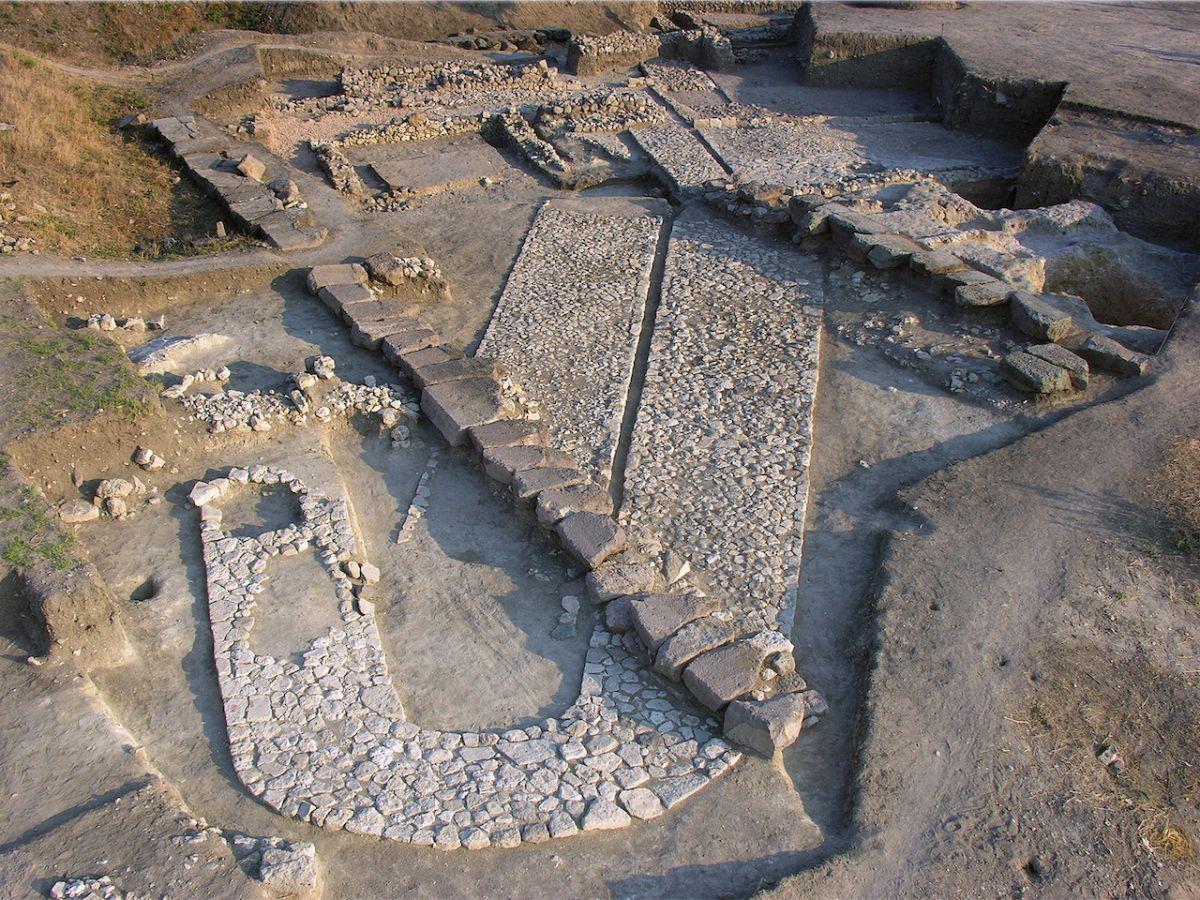
2. Daskyleion (near Bandırma)
Daskyleion was another major Persian satrapal capital.
It governed northwestern Anatolia and has produced some of the clearest evidence for Persian administration outside Iran, including:
- Persian palace foundations.
- Administrative seals.
- Aramaic inscriptions.
- Bullae (clay sealings).
- Luxury Achaemenid ceramics.
- Reliefs showing Persian officials.
Many archaeologists consider it the best place to study everyday Persian provincial government.
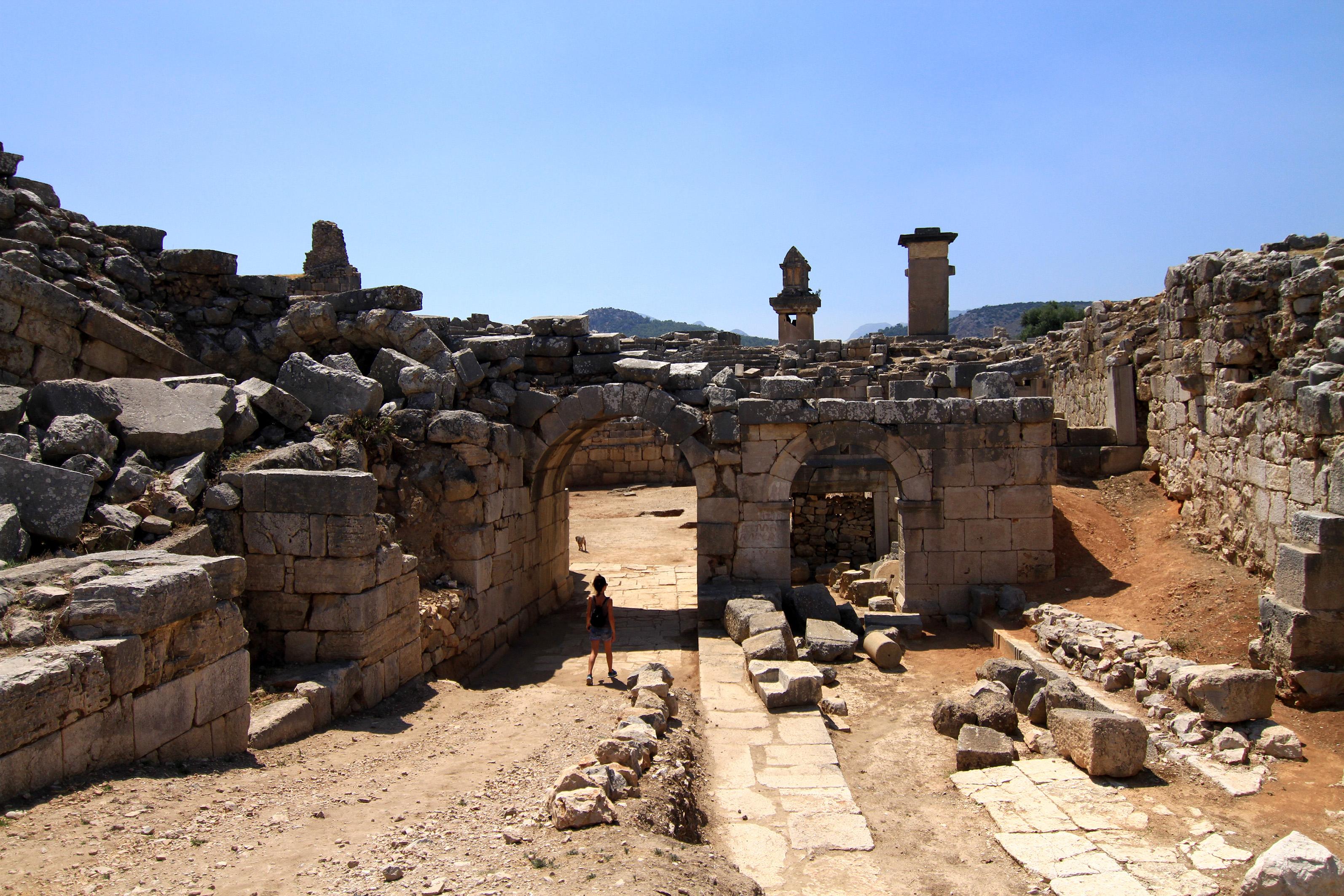
3. Xanthos (Lycia)
Although Xanthos is primarily a Lycian city, it is famous for its encounter with the Persians.
According to Herodotus, when the Persian general Harpagus besieged the city around 545 BCE, many inhabitants chose death over surrender. Archaeology confirms destruction around this period, after which the city became part of the Achaemenid Empire. (Kültür Portali)
The surviving monuments are mostly Lycian, showing how local traditions continued under Persian rule rather than being replaced.
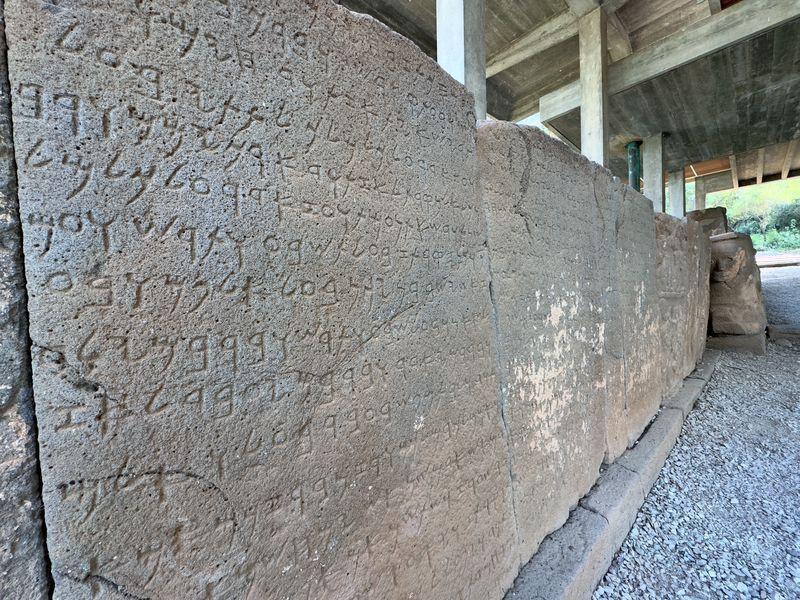
4. Other Persian-period sites
Important evidence of Persian influence has also been found at:
- Gordion (Phrygia)
- Kelainai (modern Dinar)
- Sardis countryside
- Limyra (Lycia)
These sites preserve:
- Persian-style ceramics
- Administrative sealings
- Elite tombs
- Imported luxury objects
- Aramaic documents
What is distinctly Achaemenid?
The Persian legacy in Turkey is often subtle. Archaeologists identify it through:
- Winged griffin and lion motifs
- Persian column capitals
- Achaemenid seals
- Aramaic administrative texts
- Luxury silverware
- Persian-style banquet vessels
- Satrapal residences
- Elite tombs influenced by Iranian customs
Unlike at Persepolis or Pasargadae, there are few monumental Persian stone palaces still standing.
Why are there so few Persian ruins?
There are several reasons:
- The Persians usually ruled through existing Anatolian cities rather than founding new imperial capitals.
- Administrative buildings were often built with mudbrick and timber, which survive poorly.
- After Alexander the Great conquered Anatolia in 334 BCE, many Persian buildings were replaced or remodeled during the Hellenistic and Roman periods.
- Later construction obscured or destroyed many Achaemenid layers.
If you're interested specifically in Persian archaeology
The best sites in modern Turkey are generally ranked:
- Sardis — premier Persian provincial capital.
- Daskyleion — best evidence for Persian administration.
- Xanthos — illustrates Persian conquest and rule over Lycia.
- Gordion — shows Persian influence in central Anatolia.
- Bin Tepe — elite burial landscape associated with Persian-era Sardis. (Sardis Expedition)
Taken together, these sites reveal that Achaemenid rule in Anatolia was less about imposing Persian architecture everywhere and more about integrating existing cultures into an imperial administrative system that stretched from the Aegean Sea to Central Asia.
Page Term Reference
Comments