

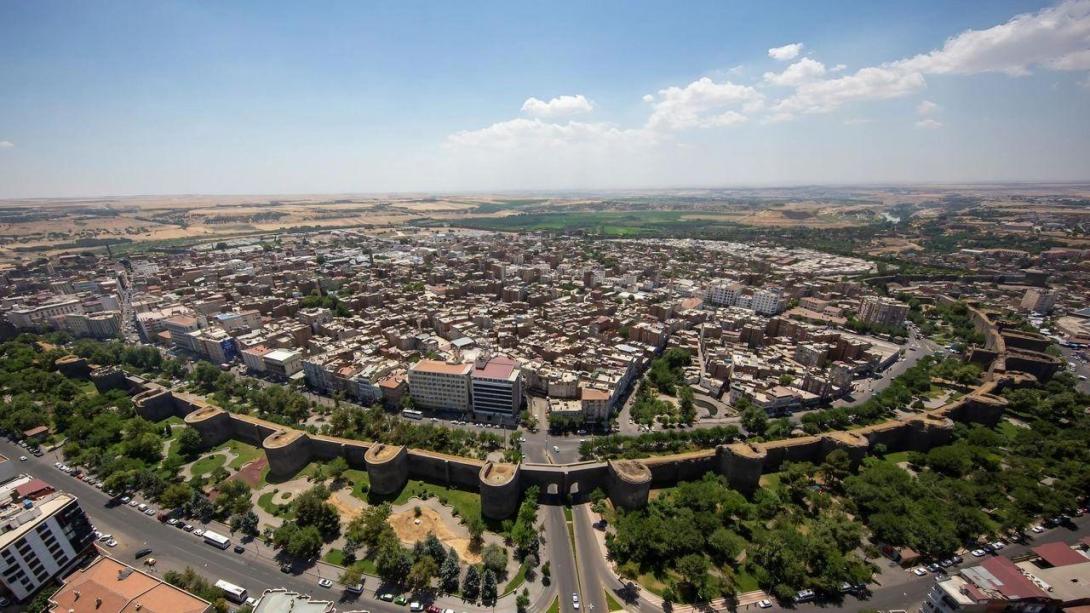
The Sasanian (Sassanid) Empire (224–651 CE) controlled only a relatively small part of what is now Turkey, and usually only for limited periods. As a result, there are far fewer unmistakably Sasanian ruins in Turkey than Achaemenid or Roman/Byzantine remains. Most surviving sites are frontier fortifications, battlefields, or cities contested between the Roman/Byzantine and Sasanian empires, rather than monumental Sasanian palaces like those in Iran or Iraq.
Here are the most significant sites:
1. Nisibis (modern Nusaybin, Mardin Province)
This is arguably the most important Sasanian site in modern Turkey.
- The city was one of the greatest frontier cities between Rome and Persia.
- In 363 CE, after Emperor Julian's failed Persian campaign, Rome ceded Nisibis to the Sasanians.
- It became one of the empire's westernmost major cities and remained under Sasanian control until the Arab conquests.
Today you can still find:
- portions of the ancient city
- fortification remains
- the famous Church of Mor Jacob (later than the Sasanian conquest but within the city's Sasanian history)
- archaeological layers from the Sasanian occupation
Unfortunately, modern development and its location directly on the Syrian border have limited excavation and preservation. (Iranica Online)
2. Dara (near Mardin)
Ironically, Dara is not a Sasanian city—it is an anti-Sasanian city.
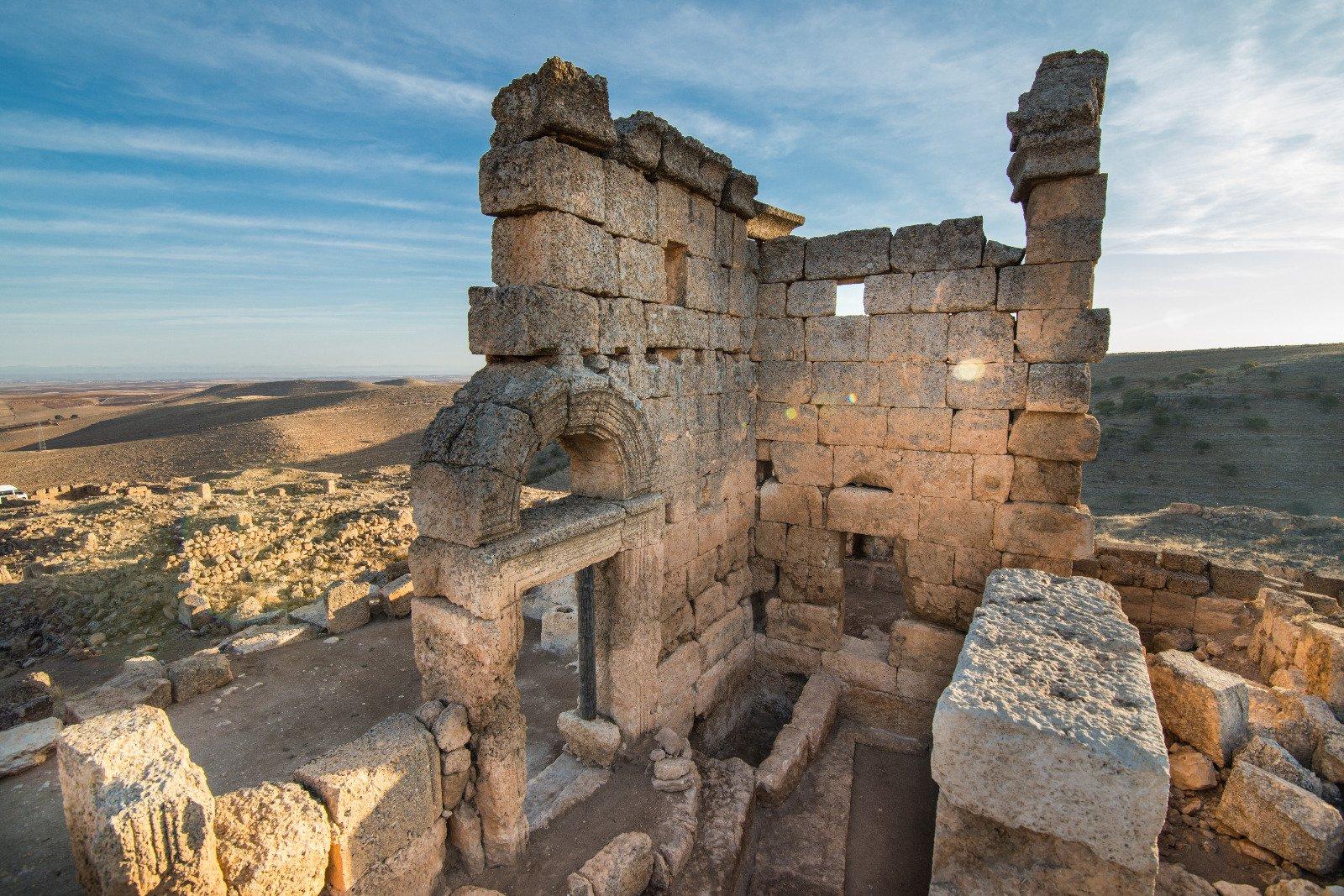
It was founded by Emperor Anastasius around 505 CE specifically to defend the Byzantine frontier against the Sasanians after they had taken Nisibis. It soon became the scene of several famous Roman–Persian battles.
Visible remains include:
- massive city walls
- underground cisterns
- rock-cut necropolis
- churches
- military infrastructure
Although Byzantine in origin, Dara is one of the best places to understand Sasanian military history because it was repeatedly besieged and captured during the Roman–Persian wars. (Media Center Image Database)
3. Amida (modern Diyarbakır)
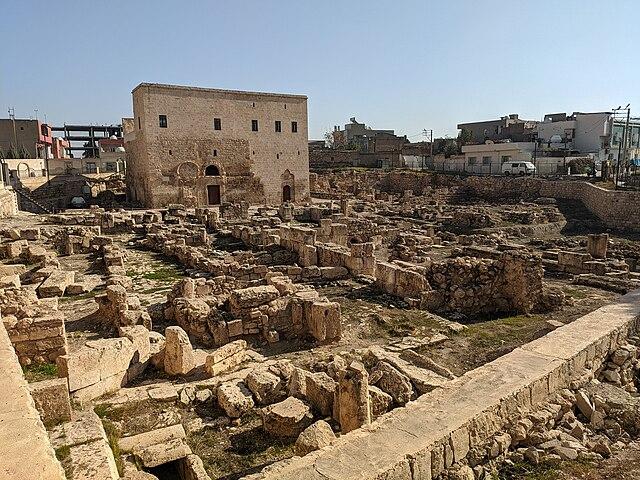
The great basalt walls largely visible today are Roman in origin but witnessed several major Sasanian sieges.
Most famous was:
- the siege of 359 CE by Shapur II
- another capture in 502 CE by Kavadh I
The city itself contains relatively few surviving Sasanian-built structures, but excavations have uncovered Sasanian-period artifacts, and the archaeological museum displays Sasanian finds from the region. (Kültür Portali)
4. Zerzevan Castle
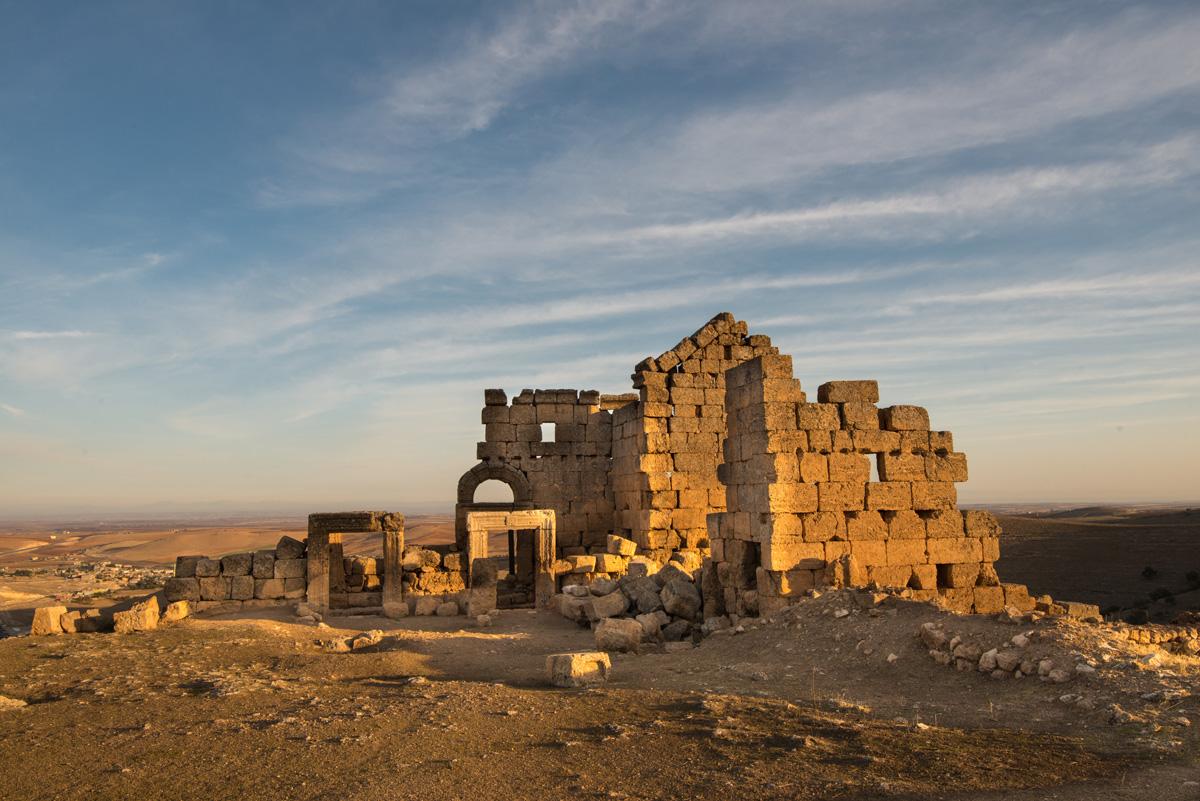
Although primarily a Roman frontier fortress, Zerzevan lay directly on the Roman–Sasanian border.
Interesting because:
- Roman garrison faced the Sasanian Empire
- numerous frontier conflicts occurred nearby
- gives an excellent picture of frontier warfare
It is often paired historically with Dara and Nisibis.
Areas with Sasanian influence
Several regions were periodically occupied or influenced by the Sasanians:
- southeastern Mardin Province
- Şırnak
- Batman
- Diyarbakır
- parts of Van
- Hakkâri
However, few surviving buildings can confidently be identified as being constructed by the Sasanians themselves.
Why are there so few Sasanian ruins?
Several reasons explain this:
- The frontier was constantly at war.
Cities changed hands repeatedly between Byzantium and Persia. - Most Sasanian architecture was built farther east, especially in:
- Fars
- Khuzestan
- Ctesiphon (Iraq)
- Kermanshah
- Later rebuilding.
Byzantine, Islamic, Seljuk, and Ottoman construction often replaced or incorporated earlier Sasanian structures. - Limited archaeological excavation.
Many southeastern Turkish sites remain only partially excavated.
Possible Sasanian archaeological remains
Archaeologists have identified:
- Sasanian pottery
- coins
- seals
- military equipment
- occupation layers beneath later cities
These are especially common around:
- Nusaybin
- Diyarbakır
- Mardin
- Cizre
Such finds often provide stronger evidence of Sasanian presence than standing architecture. (Kültür Portali)
Comparison with Achaemenid remains
Compared with the Achaemenid period, Sasanian material in Turkey is much more concentrated:
| Achaemenid | Sasanian |
| Satrapal administrative centers | Frontier military zone |
| Western and central Anatolia | Almost entirely southeastern Anatolia |
| Rock tombs, roads, inscriptions | Fortifications, siege sites, military artifacts |
| Lasted ~200 years | Mostly intermittent control over ~300 years |
Page Term Reference
Comments