

 |
 |
The Achaemenid postal system is widely regarded as one of the first organized state communication networks in world history. Established during the Cyrus the Great and significantly expanded under Darius I (r. 522–486 BCE), it enabled the Persian Empire to govern a vast territory stretching from the Balkans and Egypt to Central Asia and the Indus Valley.
The Persians called their official courier service the Angarium (from Old Persian pirradaziš; the Greek historian Herodotus used the term Angareion).
Its key features included:
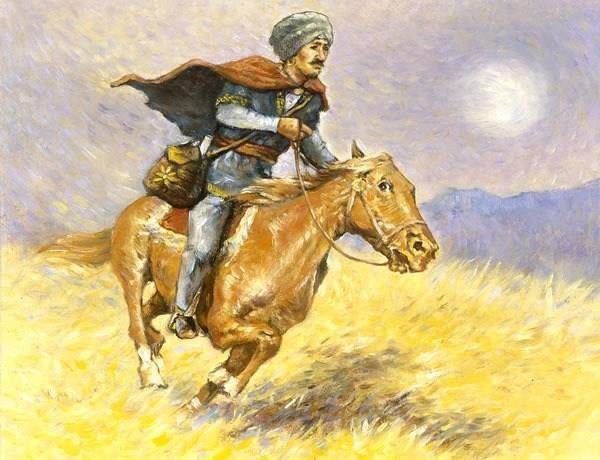
- Relay stations: Mounted couriers traveled between stations spaced approximately 25–30 km (15–20 miles) apart—the distance a horse could gallop efficiently before being replaced.
- Fresh horses: At every station, a courier could immediately mount a rested horse, allowing messages to travel continuously without long delays.
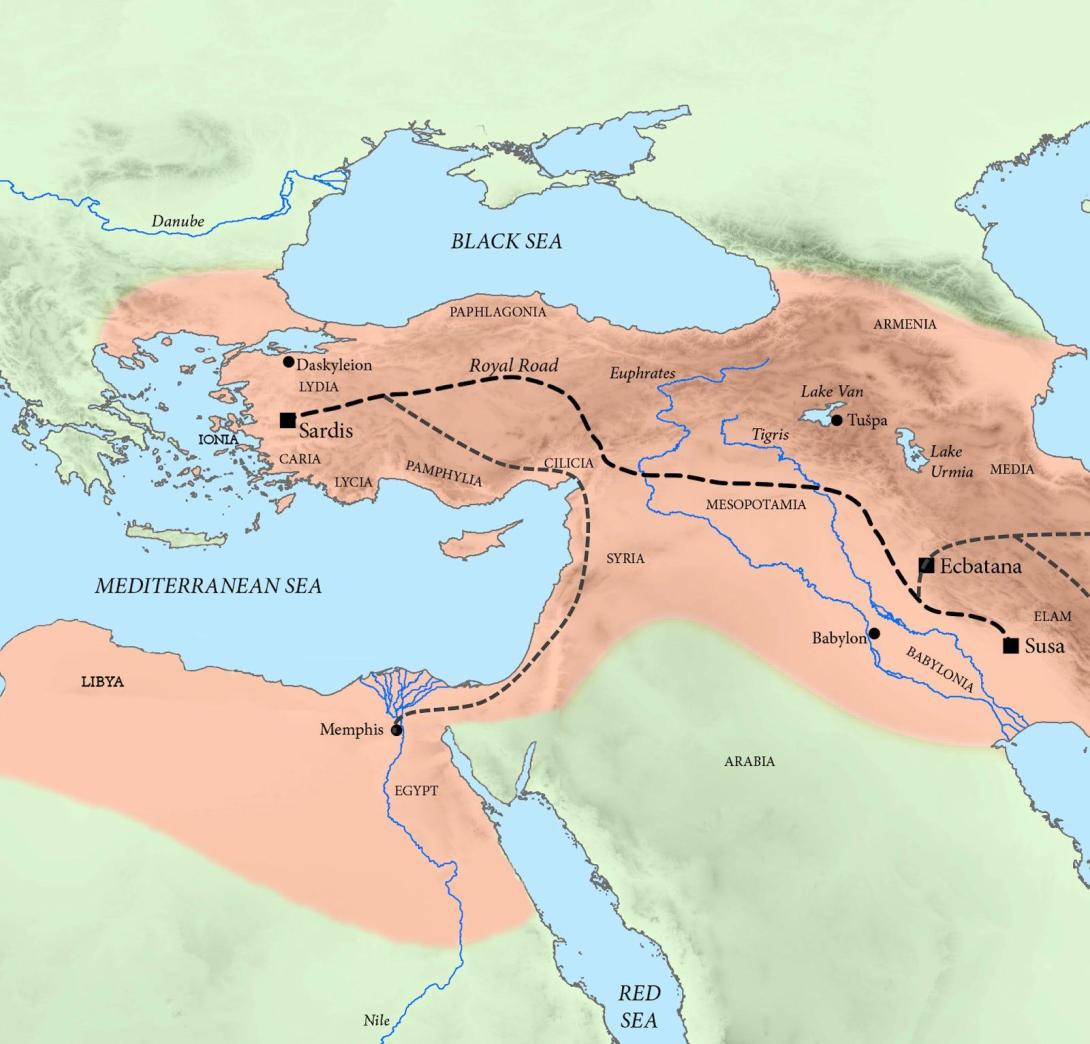
- Royal roads: The system relied on an extensive network of roads, especially the famous Royal Road connecting Susa in southwestern Iran to Sardis in western Anatolia.
- Official use: The network primarily carried government correspondence, military orders, intelligence reports, and tax administration documents rather than private mail.
The Royal Road
The Royal Road was the backbone of the system.
- Length: roughly 2,500–2,700 km (1,550–1,680 miles).
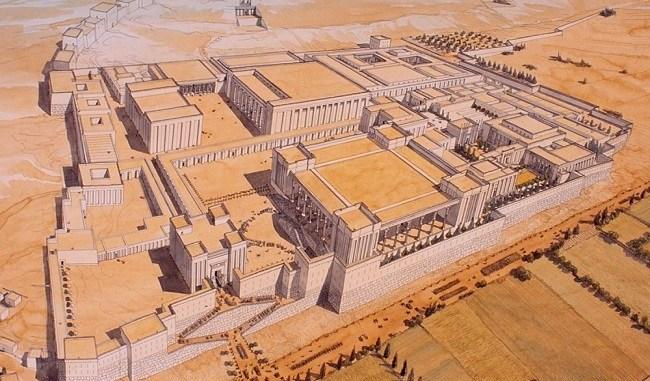
- Connected major administrative centers across the empire.
- Included around 100–120 relay stations, according to ancient sources.
Herodotus estimated that a traveler on foot or horseback might require about 90 days to complete the journey, whereas the royal couriers could deliver urgent dispatches in about 7–9 days, an extraordinary achievement for the 5th century BCE.
The Famous Description
Herodotus famously praised the Persian couriers:
"Neither snow nor rain nor heat nor gloom of night stays these couriers from the swift completion of their appointed rounds."
Although this quote is often associated with the modern U.S. Postal Service, it actually originated in Herodotus' description of the Persian postal system.
Organization
The system was carefully administered:
- Stations were supplied with horses, food, and personnel by the imperial government.
- Local officials maintained the roads and relay posts.
- Couriers carried royal authorization, preventing interference.
- Messages were often sealed to ensure authenticity.
Administrative Importance
The postal network allowed the king to:
- Communicate rapidly with provincial governors (satraps).
- Coordinate military campaigns.
- Receive intelligence from distant provinces.
- Maintain centralized authority over one of history's largest empires.
Without such a communications system, governing an empire of roughly 5–8 million square kilometers would have been extremely difficult.
Influence on Later Empires
The Achaemenid system influenced several later states:
- The Roman cursus publicus adopted similar relay principles.
- The Mongol Yam developed an even larger relay network across Eurasia.
- Elements of relay-based government communication continued into the Ottoman, Safavid, and other imperial administrative systems.
Historical Evidence
Our understanding comes from several sources:
- Herodotus, Histories (Book 8), provides the most famous description.
- The Persepolis Fortification Tablets offer archaeological evidence of travel, provisioning, and official administration.
- Greek authors such as Xenophon describe Persian administrative efficiency.
- Archaeological remains of sections of the Royal Road and administrative centers support literary accounts.
Historical Significance
The Achaemenid postal system was more than a mail service—it was an instrument of governance. By combining engineered roads, standardized relay stations, fresh horses, and centralized administration, the Persian Empire created one of the earliest high-speed information networks in history. Many historians consider it a foundational model for later state communication systems across Eurasia.
Page Term Reference
Comments