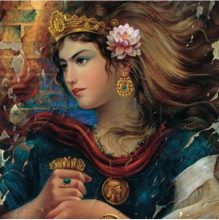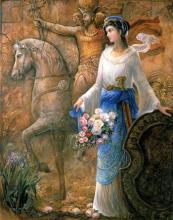

VENUS
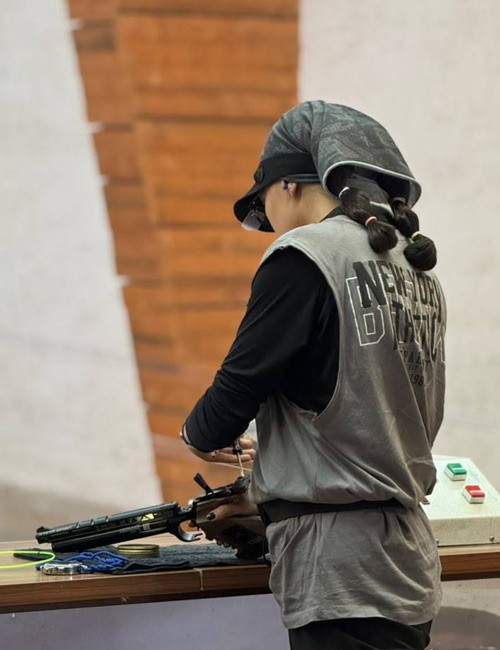
Diba Sasani Finishes as National Runner-Up in Pistol Shooting
Diba Sasani, a Zoroastrian athlete from Kerman Province, took second place in the third round of the National Women's Open Pistol Shooting Championships for the youth category.
The competition was held in Qom Province from October 12 to 16, 2026 (20–24 Mehr 1405), in observance of Physical Education Week. Competing in the pistol event, Sasani won the silver medal and received a certificate of achievement from the Shooting Federation of Iran.
From Provincial Podiums to National Runner-Up in Shooting
Sasani had previously secured second place in Kerman Province's open air pistol shooting competitions. In the second edition of these competitions, held in the summer of 2024 across various age categories, she received a championship certificate from the Kerman Province Shooting Association.
With her national runner-up finish, Sasani has added a national-level achievement to her sporting record.
Do you hear the sound? It is the sound of history’s footsteps.
Parseh is awake, and Persia... shall never be silenced.
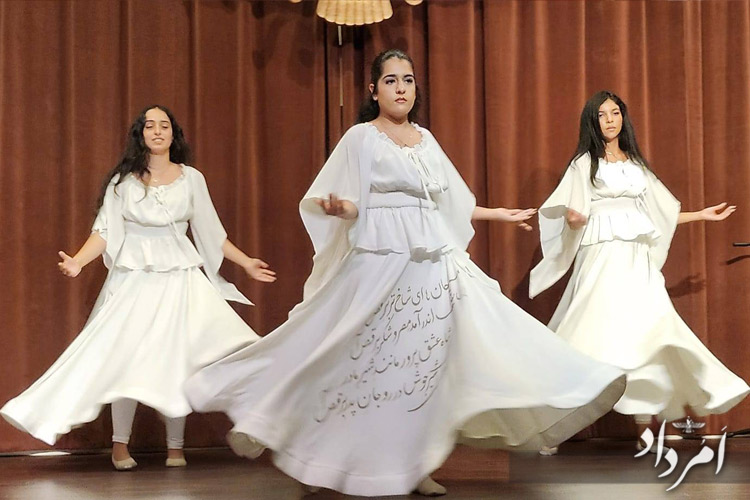
Amadeus - O.S.T LP-A Side (1984) The most part of all my Achievements during entire life belongs to this unique piece of ART
MONTAZERI.ORG
The Shahnameh of Florence is a significant Persian manuscript associated with Ferdowsi’s monumental Shahnameh, one of the greatest works of Persian literature and a cornerstone of Iran’s cultural heritage. Preserved in Florence, Italy, the manuscript reflects the enduring transmission of Ferdowsi’s epic tradition through the Persianate world. Its textual, calligraphic, and artistic features provide valuable insight into the preservation, interpretation, and visual representation of Persia’s legendary history, heroic traditions, and cultural memory.
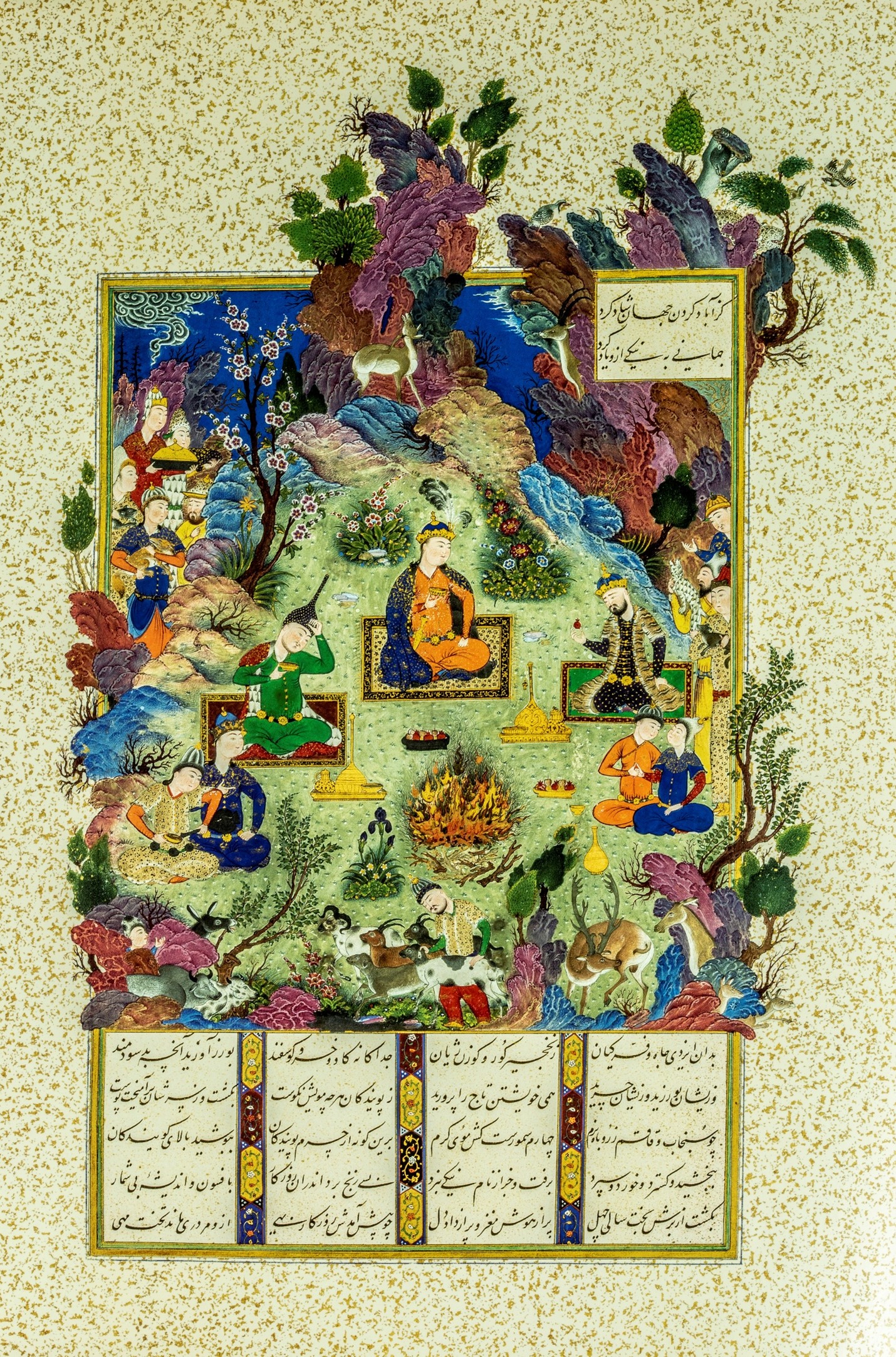
The Ancient Persian Festival of Fire, Light & Life
Among the most enduring celebrations of ancient Iran, Sadeh (Jashn-e Sadeh) stands as a magnificent tribute to fire, light, human ingenuity, and the triumph of warmth over winter’s darkness. Rooted in the ancient Iranian cultural and religious heritage, this remarkable festival embodies a worldview in which the natural elements are not merely forces of existence, but symbols of life, knowledge, and the eternal struggle against darkness and ignorance.
Celebrated on the tenth day of the month of Bahman in the Iranian calendar, traditionally corresponding to 30 January, Sadeh takes place at the heart of winter, when the cold is still intense but the promise of spring is drawing nearer. Its most striking ritual is the lighting of a great bonfire, around which people gather to celebrate the power of fire as a source of warmth, illumination, and human advancement. The flames rising into the winter sky evoke humanity’s ancient discovery of fire—a turning point that transformed life, made communities possible, and opened new horizons for civilization.
According to Iranian tradition, Sadeh is associated with Hushang, the legendary king of the Pishdadian dynasty, who discovered fire after striking a stone against another while attempting to kill a serpent. Although the serpent escaped, sparks emerged from the stones, revealing the extraordinary power hidden within nature. Hushang recognized the significance of this discovery and celebrated it with a great fire. This legendary account, preserved in Ferdowsi’s Shahnameh, connects Sadeh with the dawn of human knowledge and the ability to discover, understand, and make use of the natural world.

The name Sadeh is traditionally associated with the number one hundred. One widely known interpretation connects the festival with the hundred days and nights remaining until the traditional beginning of summer in the Iranian seasonal calendar, while other interpretations link it to ancient systems of seasonal reckoning. Whatever its precise historical origins, the festival has endured as a powerful expression of Iran’s cultural memory.
For Zoroastrians, Sadeh holds a special place as a celebration of fire and the values of light, purity, wisdom, and truth. Fire, in Zoroastrian tradition, is a sacred symbol associated with divine light and the moral order of existence; it is not worshipped as a deity, but revered as a manifestation of purity and a reminder of the spiritual illumination that guides humanity. Beyond its religious significance, Sadeh has also become a celebration of shared heritage, communal solidarity, and the continuity of Iranian civilization across generations.
More than a festival of flames, Sadeh is a celebration of humanity’s capacity to overcome darkness through knowledge, to confront hardship through cooperation, and to preserve hope in the coldest season of the year. As its great fires illuminate the winter night, they carry a message from the distant past into the present: that light is not merely something to behold, but something to kindle, protect, and pass on to future generations.
In this sense, Sadeh belongs not only to the history of Iran, but also to the universal human story—the story of fire discovered, darkness challenged, and civilization illuminated.
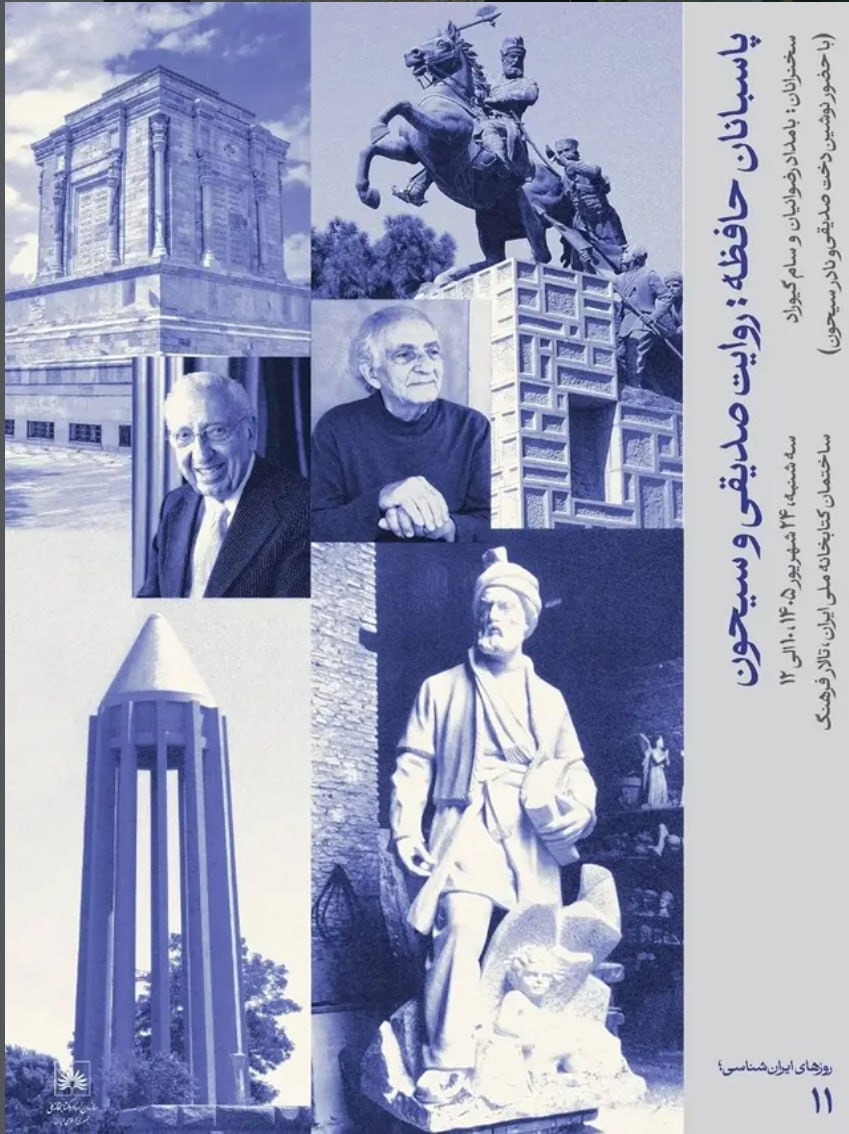 |
Immortality in Stone & Color: A Tribute to Master Abolhassan Khan Seddighi
October 5 marks the birth anniversary of one of the greatest pioneers of modern Iranian visual art and sculpture, Master Abolhassan Khan Seddighi (1897–1995), a distinguished student of the school of Kamal al-Molk. Through his remarkable talent, he transformed the history and mythology of Iran into enduring works of stone and bronze.
Today, wherever we walk across Iran and beyond, we can encounter the lasting legacy of his art in remarkable works such as:
- The magnificent statue of Ferdowsi in Ferdowsi Square, Tehran
- The distinguished statue of Ya'qub ibn al-Layth al-Saffar in Zabol
- The statue of the philosopher Omar Khayyam in Laleh Park, Tehran
- The monumental statue of Nader Shah Afshar in Mashhad
- And his enduring depiction of the face of Avicenna
Each of these works bears witness to his exceptional skill, distinctive artistic vision, and deep commitment to his art.
 |
|
 |
 |
 |
|