
Political Statecraft and the Limits of Sectarian Philosophy in Governing Pluralistic Nations
The Contraction of Political Vision: From Advanced Statecraft to Sectarian Constitutional
NUMBER 1 PUBLIC ENEMIES
LIST LATEST UPDATES ON 11:33 AM IRST (UTC+3:30) Tehran, Iran • Thursday, August 13th, 2026
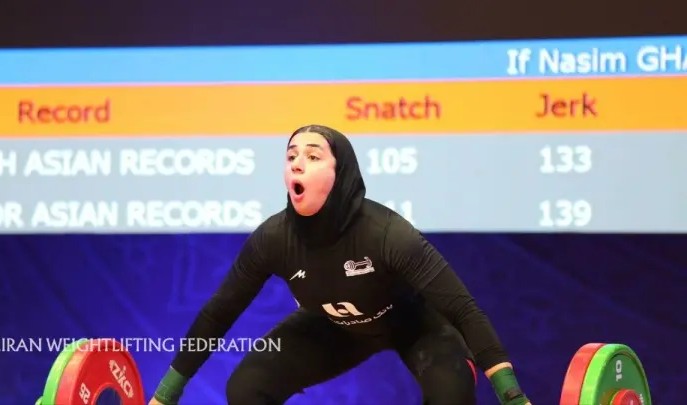
The Asian Junior and Youth Weightlifting Championship ended with Iranian weightlifter Anahita Zarei winning the first title in the 77 kg category. The Iranian representative won a bronze medal in the single snatch and two gold medals in the double snatch and the total. Nasim Ghasemi was another Iranian representative who won a gold medal in the single snatch and two silver medals in the double snatch and the total in the 77 kg junior category.
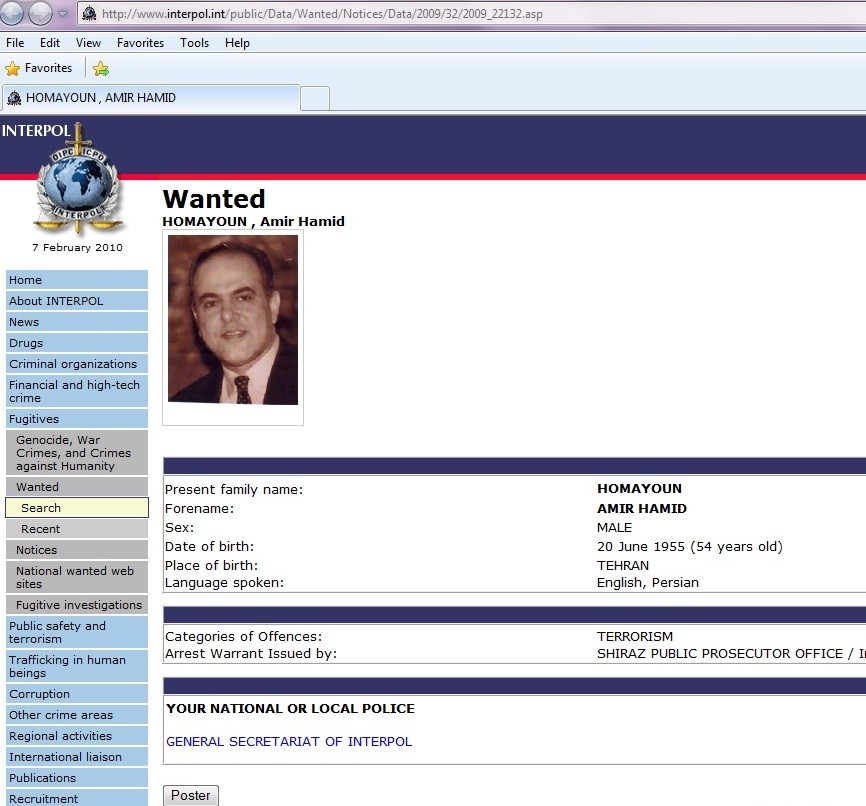
ALL PERSIANS CONSIDER (iranintltv and julani in Syria) AS TOP GRADE WORLD PUBLIC TERRORISTS
 |
The Psychological and Moral Dimension of Political Violence
It is understandable that leaders who authorise, facilitate, or persist in military campaigns resulting in the deaths of thousands of innocent civilians may be described by the public as “psychopathic”, morally disturbed, or profoundly detached from ordinary human empathy. Such descriptions reflect a moral response to the scale of suffering produced by their decisions. When political leaders repeatedly accept the killing of civilians, the destruction of homes, the displacement of families, and the devastation of entire communities as an acceptable cost of pursuing political or military objectives, the question of their psychological and moral relationship to human life cannot simply be dismissed.
This does not require, however, an armchair psychiatric diagnosis. The more significant issue is observable behaviour: the willingness to continue policies of violence despite extensive civilian suffering, the repeated dehumanisation of populations, the justification of collective punishment, the normalisation of mass death, and the refusal to accept meaningful accountability for the consequences of political decisions.
When thousands of innocent people are killed, the matter is no longer merely an abstract question of strategy or national security. It becomes a profound question of human morality and political responsibility. A leader who possesses the authority to stop or substantially reduce violence, yet continues policies that result in large-scale civilian deaths, cannot be evaluated solely according to the rhetoric of national interest. The human consequences of those decisions must form part of the assessment.
The psychological dimension is therefore inseparable from the political and moral dimensions of prolonged violence. Repeated exposure to violence can produce a process of moral normalisation, in which deaths that would ordinarily provoke profound outrage gradually become presented as statistics, collateral damage, or unavoidable necessities. Dehumanising language can further facilitate this process by transforming civilians from individual human beings into an undifferentiated “enemy population”.
This transformation is particularly dangerous when combined with concentrated political power, ideological certainty, personality cults, militarisation, and institutional impunity. Under such conditions, the suffering of civilians can become subordinated to the political objectives of a small ruling elite.
The fundamental question, therefore, is not whether a particular leader can be clinically labelled as psychopathic. It is whether a political system has permitted individuals with enormous coercive power to become sufficiently detached from the human consequences of their decisions that the killing of innocent people can be repeatedly justified, prolonged, or politically exploited.
Where thousands of civilians have been killed, political responsibility cannot end with the declaration that the deaths were unfortunate consequences of war. Leaders and commanders must ultimately be judged according to evidence, law, and independent judicial processes. If credible evidence establishes responsibility for war crimes, crimes against humanity, genocide, or other serious international crimes, those responsible should face impartial investigation and, where the legal requirements are satisfied, prosecution and imprisonment.
The central humanitarian principle is therefore simple: political authority cannot place human beings above the law merely because they possess the power to wage war. The greater the authority of a political leader, the greater the responsibility to protect civilian life—and the greater the obligation to answer for deliberate or unlawful destruction of that life.
A Call for Awakening and Reconstruction
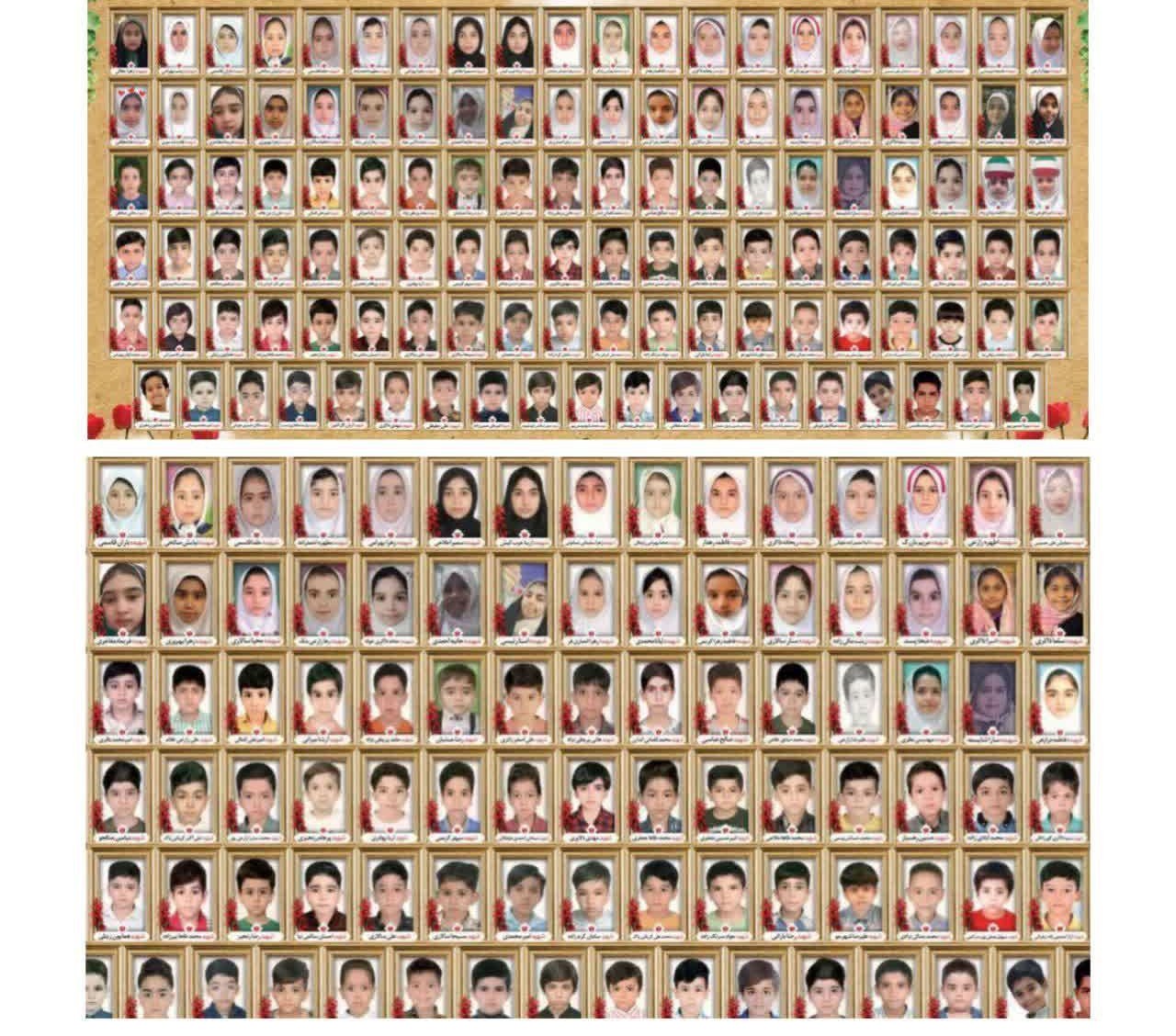
Official Statement Regarding the Need for International Accountability Concerning Political and Social Double Standards and Their Consequences for the People of Iran
Subject: Request for review and accountability by the United Nations and international judicial authorities regarding individuals and legal entities accused of political and social double standards towards the people of Iran
We call upon the United Nations, independent human rights institutions, and international judicial authorities to conduct a thorough, impartial, and transparent review of the actions of individuals and legal entities whose political, social, and international conduct over recent decades has, in our view, contributed to harm against the interests, security, social stability, and fundamental rights of the people of Iran.
The fundamental principle behind this request is that no government, organisation, media institution, political movement, or influential individual should be exempt from accountability under international standards, and that human rights principles must be applied equally, without discrimination and without being influenced by political interests.
The European Union and allegations of political double standards towards Iran
The European Union has faced serious criticism regarding what many consider to be a double-standard approach towards Iran and the Iranian people.
On the one hand, the European Union has publicly and politically engaged with groups such as the Mujahedin-e Khalq and has provided platforms for political activities by this organisation in certain official and public forums. At the same time, a significant part of Iranian society strongly disputes the history, actions, and political role of this organisation, considering it to have a controversial record, including allegations of violent activities.
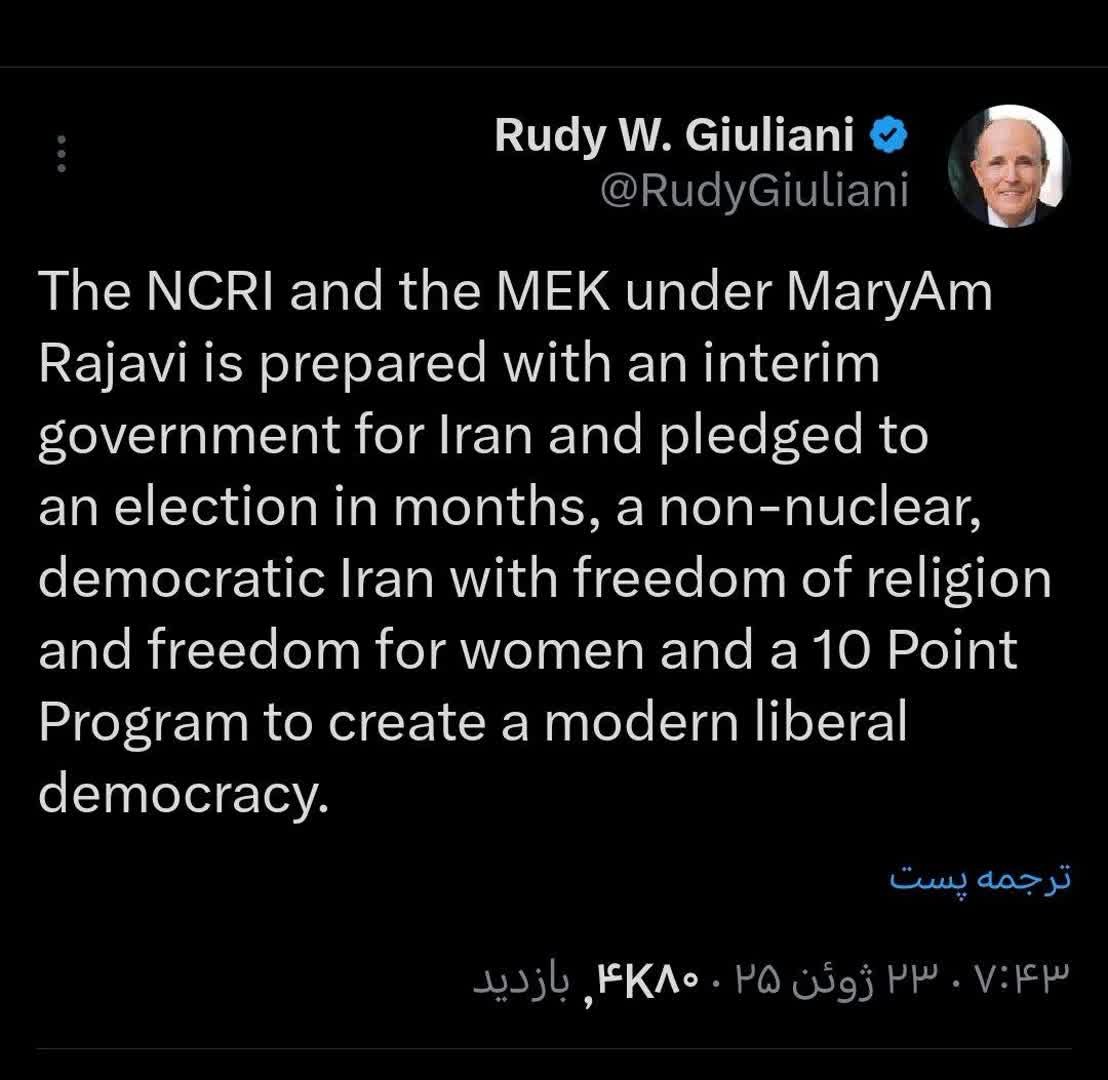
Learn about: GenZ's Goals & Ideals in Contrast with the Ideology of the Mujahedin-e Khalq
⚖️ International Criminal Court: "Ted Cruz"
 |
|
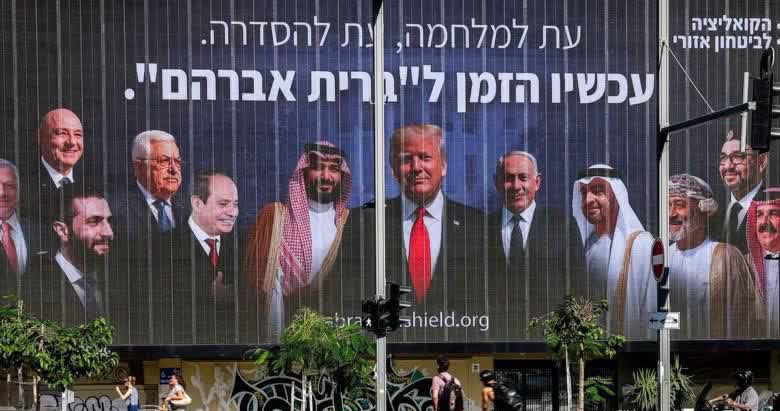
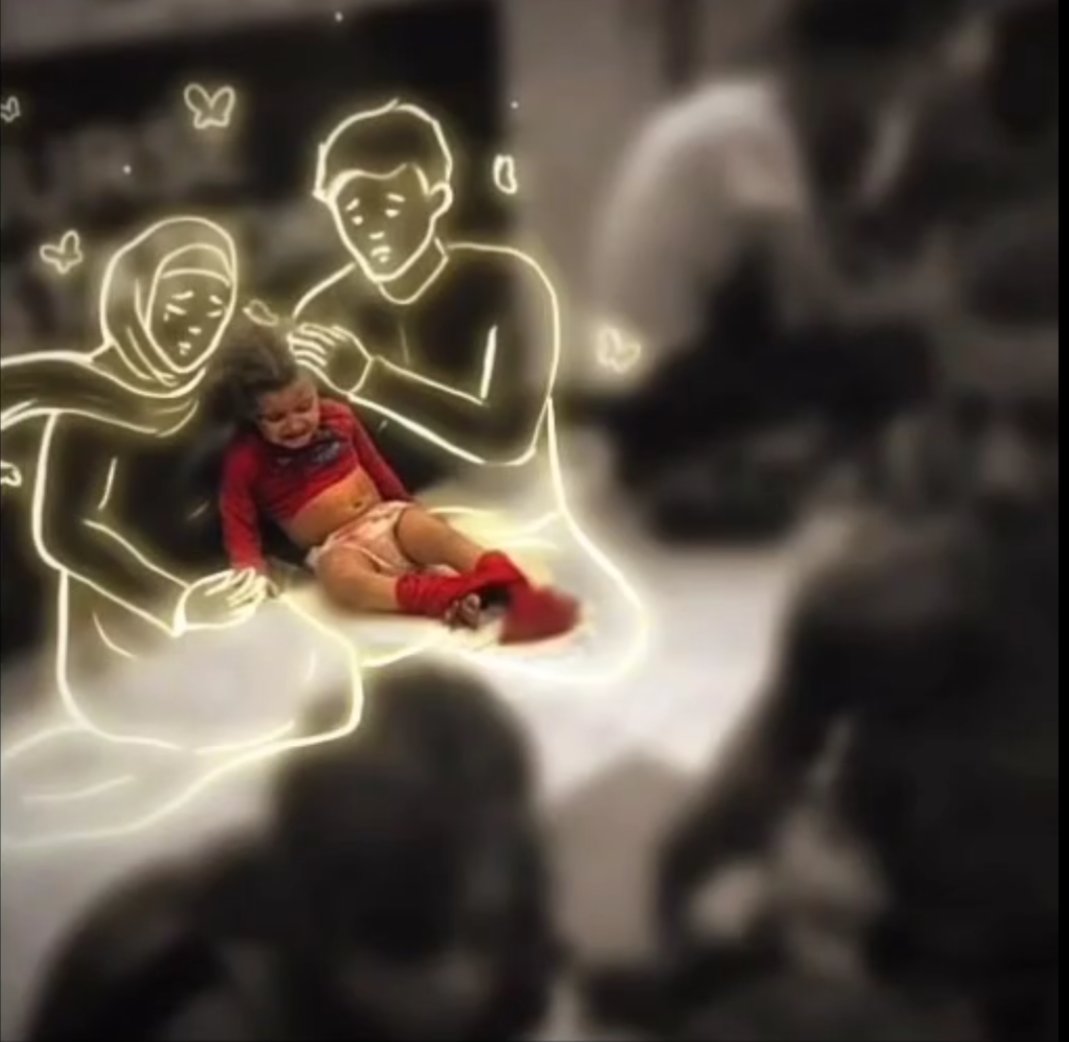
War, Political Survival and the Political Economy of Violence in the Middle East |
|
 |
 |
On the other hand, European political structures have maintained direct and indirect economic, political, and commercial relations over decades with actors and structures connected to the Islamic Republic of Iran, including economic agreements and commercial interests in sectors such as energy and oil.
From this perspective, such behaviour represents a contradiction: publicly promoting human rights principles while simultaneously pursuing economic and political interests through engagement with actors criticised for human rights concerns.
Therefore, we request an independent examination into whether political and economic interests have resulted in selective application of human rights principles.
Euronews and concerns regarding the role of media in escalating political tensions
International media organisations have a significant responsibility in shaping public understanding and should operate according to principles of accuracy, independence, professional integrity, and social responsibility.
Concerns have been raised regarding the international news organisation Euronews, including allegations that certain headlines, reports, and political coverage have contributed to encouraging confrontational approaches, increasing tensions, or influencing political developments beyond the boundaries of independent journalism.
Further concerns have also been expressed regarding perceived political influence and involvement in internal affairs of different countries, including the United Kingdom.
It is therefore requested that the role of international media organisations in shaping political environments, influencing social movements, and potentially contributing to the escalation of conflicts be subject to independent review.
Reza Pahlavi and allegations concerning encouragement of violence and foreign intervention
Regarding Reza Pahlavi, concerns and criticism have been expressed by sections of Iranian society regarding certain political positions and statements attributed to him.
Among these concerns are allegations that he has encouraged street confrontation rather than peaceful civic activity, as well as the circulation of publicly available footage and statements which some observers interpret as encouraging confrontation and street violence.
There have also been repeated criticisms regarding statements perceived as supporting foreign military action or external intervention against Iran.
From this perspective, any individual or political movement seeking legitimacy and influence in Iran’s future must be held accountable for the potential consequences of its positions, as political violence, internal conflict, and foreign military intervention can result in severe harm to civilians, young people, and families.
It is therefore requested that any credible allegations regarding direct or indirect encouragement of violence, or support for actions causing civilian harm, be examined through impartial legal processes without political bias.
I. iranintl tv is the ugly image of the action: inviting young people to street clashes and unfortunately, their lives lost unwilling to prevent civil and cultural organizations from rebuilding the country in a civilized and peaceful manner.
II. The Canadian/Australian government's political considerations regarding Iran will not be relevant as long as these countries are supported by the capital of Iranian oligarchs, whether affiliated or not with the Islamic Republic.
The policies of the United States and Israel and the humanitarian consequences of external pressure
Serious concerns also exist regarding the policies of the political systems of the United States of America and Israel towards Iran, particularly regarding increased political, economic, and military pressure and the continued presence of threats of war.
According to critics of these policies, such actions, alongside statements regarding negotiation and diplomacy, have contributed to strengthening extremist and war-oriented political forces in the region while negatively affecting the daily lives of ordinary Iranian citizens.
Economic sanctions, external pressure, and military threats may contribute to:
-
weakening the national economy;
-
reducing public welfare;
-
damaging national resources and assets;
-
increasing pressure on ordinary citizens;
-
and restricting opportunities for peaceful civic and social participation.
On this basis, it is requested that the humanitarian consequences of such policies, like any other actions affecting civilian populations, be examined under international human rights standards.
A political paradox or double standard: a situation where British institutions or media may criticize the Islamic Republic of Iran in one context, while in another context they may report, engage with, or even indirectly align with positions held by Iranian officials when those positions happen to overlap with UK or Western interests against the United States.
Ethical Statement on Political Contradictions and Double Standards in International Media Coverage
A significant ethical challenge in international politics and media is the existence of selective standards when evaluating governments and political actors. The relationship between Western governments, international media organizations, and foreign states can sometimes produce apparent contradictions, particularly when strategic interests influence political narratives.
In the case of Iran, criticism of the Islamic Republic, its officials, and institutions such as IRGC may coexist with situations in which Western governments or media organizations highlight, amplify, or engage with statements from Iranian authorities when their positions temporarily align with Western interests. This creates a perception of inconsistency: opposing a government on certain issues while giving legitimacy or visibility to the same government on other issues.
Such contradictions raise important ethical questions about whether political principles are applied universally or adjusted according to geopolitical interests. A consistent ethical framework should evaluate all governments and political actors according to the same standards, regardless of whether their positions align with or oppose the interests of the United Kingdom, the United States, or any other power.
The ethical concern is not that governments or media organizations should never engage with actors they criticize. International relations often require communication, negotiation, and recognition of political realities. However, transparency is essential. Audiences should be able to distinguish between reporting a political actor’s views, cooperating with a government on specific matters, and endorsing that government’s legitimacy or policies.
When media coverage presents criticism of Iranian authorities while simultaneously highlighting their views when convenient, it risks creating confusion about editorial principles and political motivations. Likewise, when opposition to US policy becomes a shared position between Western actors and Iranian officials, the alignment of interests should not automatically be interpreted as a shared ideology or moral agreement.
The ethical responsibility of media and governments is therefore to maintain consistency, disclose motivations, and avoid selective application of principles. Political disagreements should be judged by established standards rather than by temporary alliances.
Final request for equal justice and accountability
We emphasise that human rights must not become a selective political instrument used to pressure certain countries while ignoring the actions of others.
Any individual, organisation, or government that contributes to violence, instability, harm to civilians, or violations of fundamental human principles should be subject to review and accountability, regardless of its political power, economic influence, or international position.
The people of Iran have the right to security, independence, a dignified life, economic stability, and a future free from war and political violence.
This statement calls for the principles of international justice to be applied equally, independently, and without discrimination to all parties.
The People's Voice of PERSIA
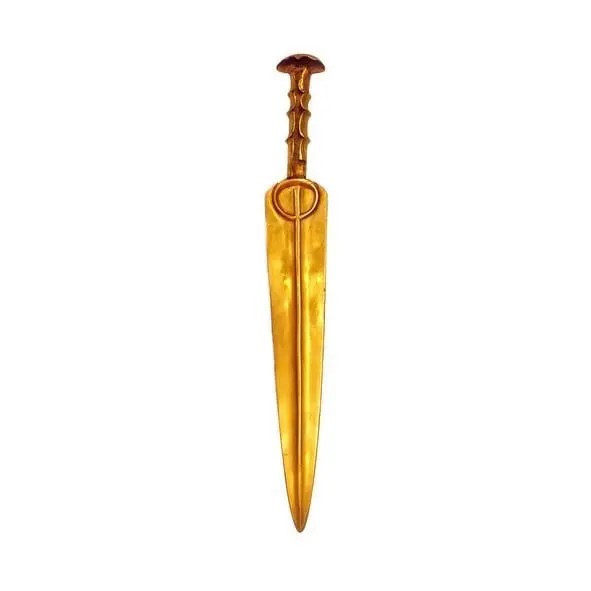 |
Golden Dagger of Kelardasht dates back to the first millennium BC (probably 2800 years ago, during the Median period or the late Bronze Age) |
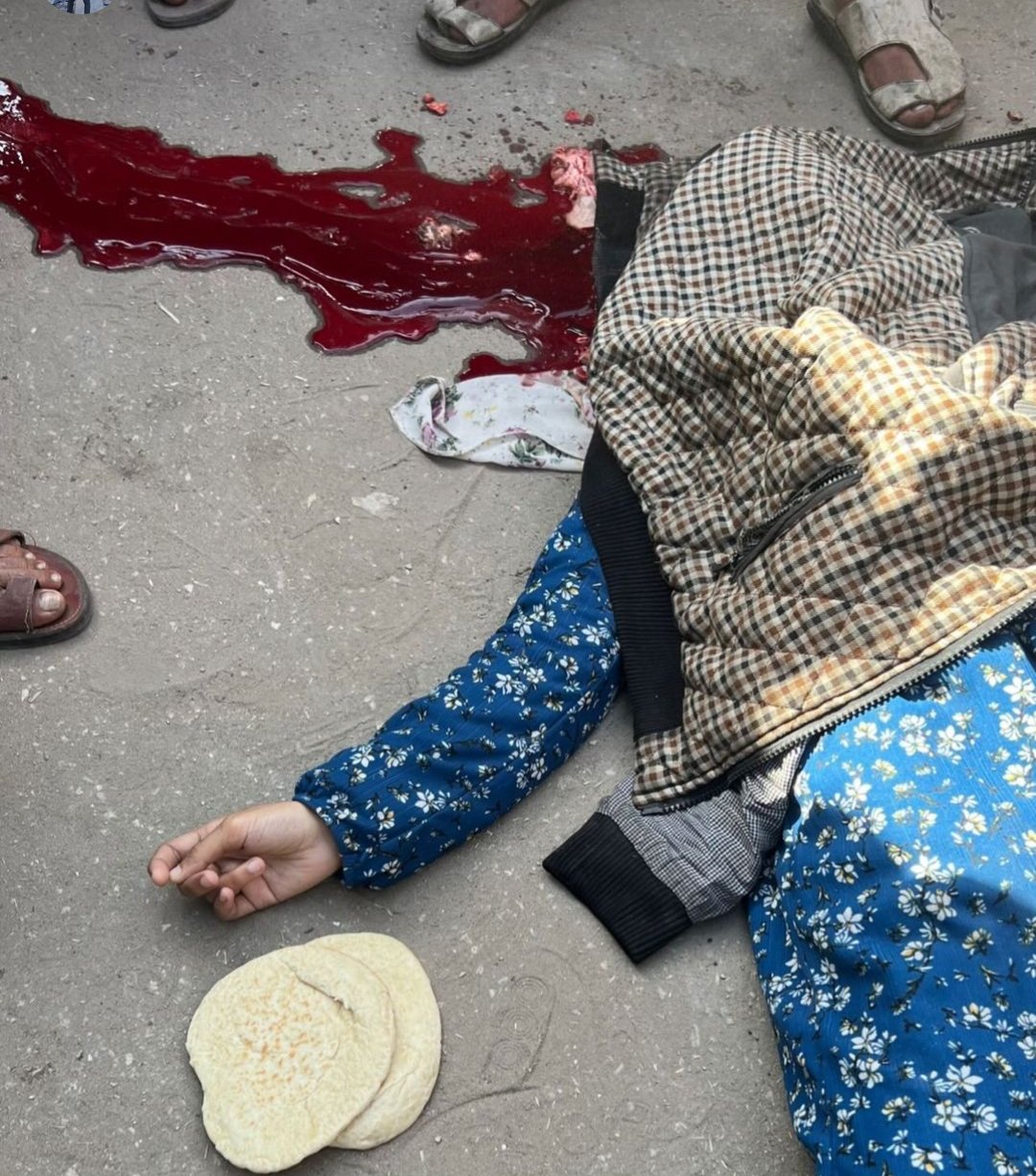
We also never forget Pakistan, Turkey, Saudi Arabia: The leaders of these three countries were involved in the Gaza massacre.
Learn about: Saudi Arabia’s Regional Security Implications
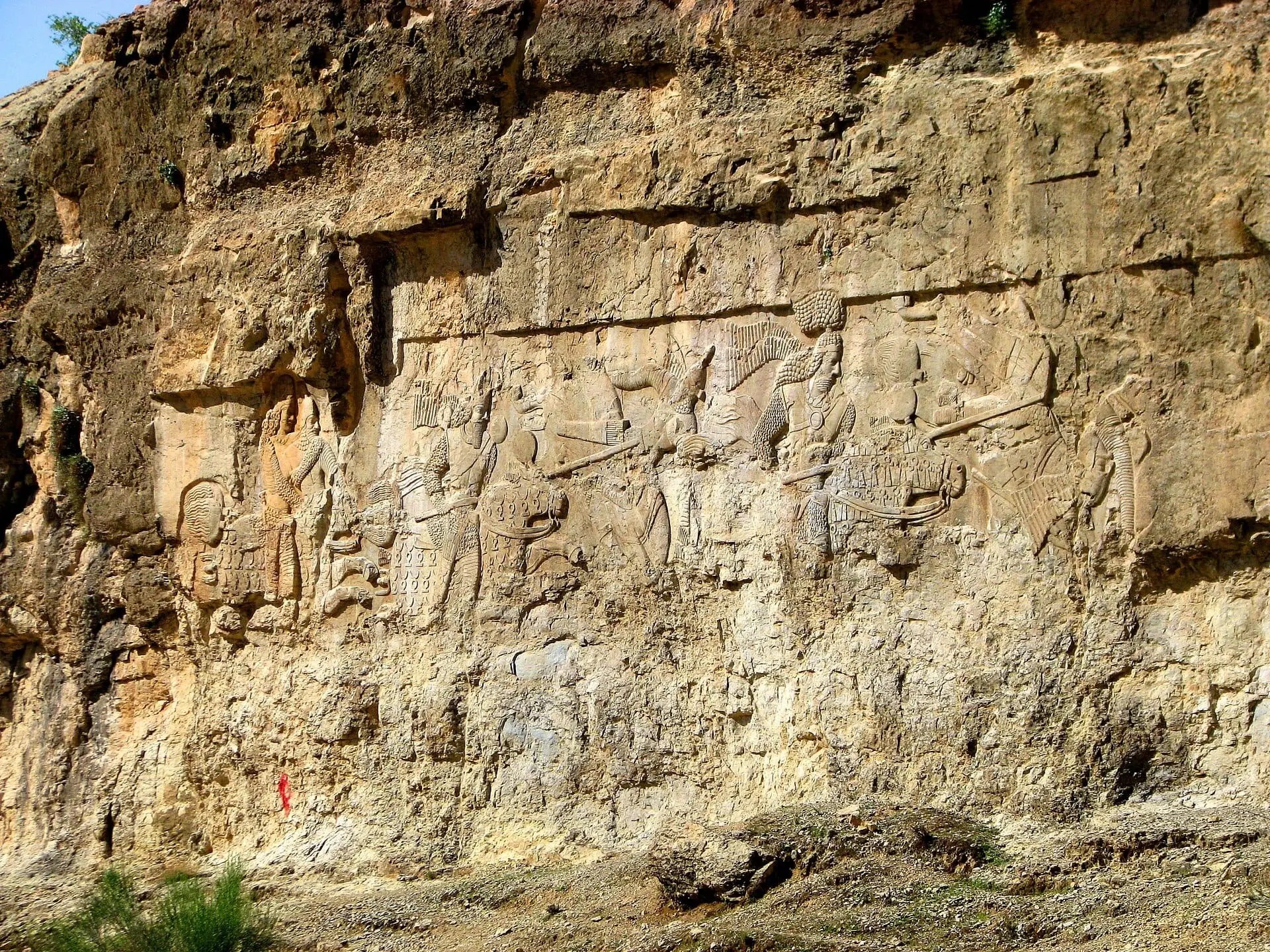
The relief of Ardashir Babakan's victory over Ardavan V of Parthia is one of the most prominent historical monuments related to the beginning of the Sasanian rule, located in the Rajab relief, near Persepolis (Fars Province). This relief depicts a scene of the battle and victory of Ardashir Babakan, the founder of the Sasanian dynasty, over the last Parthian king, Ardavan V. In this work, Ardashir is riding a horse and attacking Ardavan; while Ardavan is also riding, holding a sword, but in a position of defeat. In the same image, Ahura Mazda also gives Ardashir a royal crown, which is a symbol of the divine legitimacy of his rule.
This relief is not only an outstanding work of art from the Sasanian period, but also a visual document of the transfer of power from the Parthians to the Sasanians and emphasizes the heavenly support of the new monarchy. Visual elements such as military attire, decorated horses, and ritual symbols represent the splendor and power of the Sasanian monarchy and the outstanding art of stone carving of that period. This painting, along with other works such as Naqsh-e Rajab and Naqsh-e Rustam, forms part of the Sasanian pictorial heritage that well narrates the political and cultural transformation of that era.