
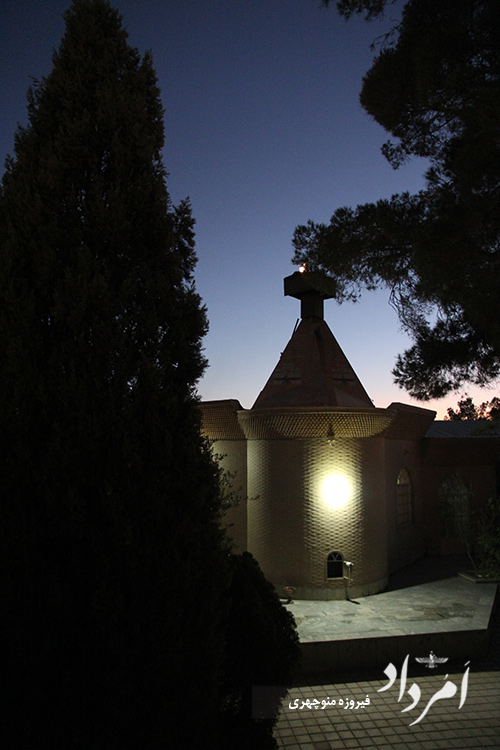
Zoroastrians of Mazraeh Kalantar, Meybod, Mark the End of the Panji Ritual with the Ancient Tash-e Boom Ceremony
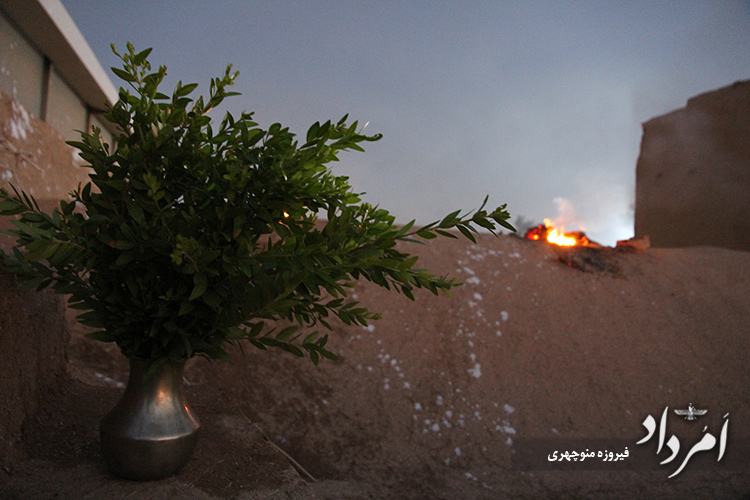
Before sunrise on July 16, the Zoroastrian community of Mazraeh Kalantar in Meybod observed the ancient Tash-e Boom ("Fire on the Rooftop") ceremony, marking the conclusion of the Panji ritual.
Held according to the traditional Zoroastrian calendar, the ceremony began at 4:30 a.m. with the lighting of sacred fires on the rooftops of Zoroastrian homes. As dawn broke, the five sacred days of Panji came to an end with prayers, light, and communal harmony.
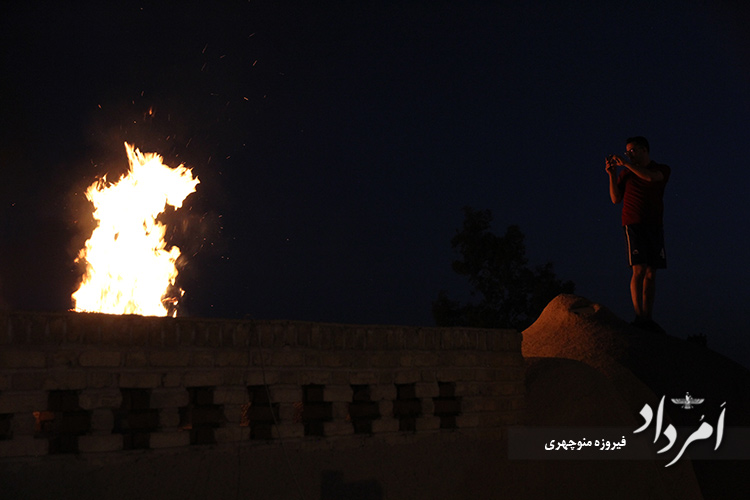
As part of the Tash-e Boom ceremony, in addition to a fire vessel, participants place a bowl of water, ceremonial fruits known as Vadrin, and branches of cypress and boxwood on the rooftops. After the recitation of the Avesta, water mixed with thyme is poured onto the ground as a symbolic farewell to the souls of the departed. The fragrance of freshly cut fruit, together with the aroma of frankincense and sandalwood sprinkled onto the fire, fills the air, reflecting the Zoroastrian belief that these scents honor and bring joy to the souls of the deceased.
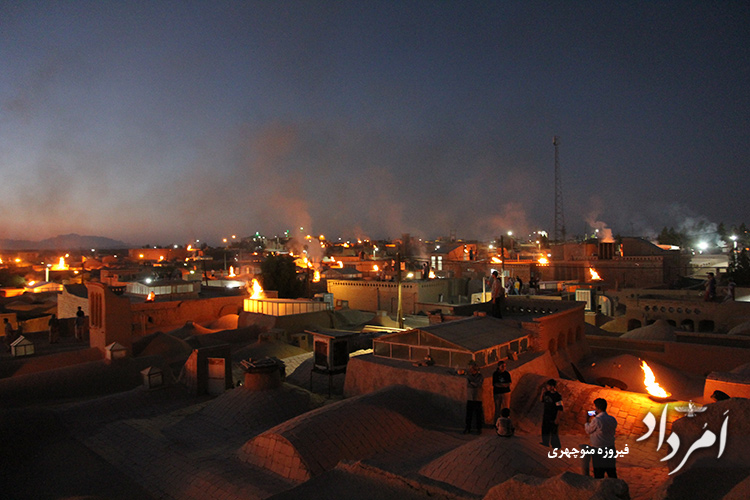
Panji is one of the oldest Zoroastrian observances and is rooted in the religion's traditional calendar. According to this calendar, the year consists of 12 months of 30 days each, followed by five additional days, known as Panjeh or the Gathabyo Days, which are dedicated to prayers and remembrance of departed souls. Although two different calendar traditions later emerged among Zoroastrians, several Zoroastrian communities in Yazd Province, including Mazraeh Kalantar, continue to observe Panji according to the older calendar, from July 12 to July 16.
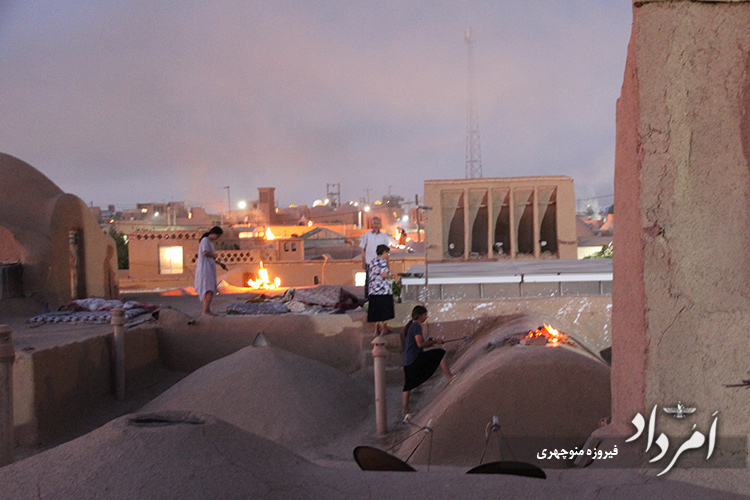
The Panji observances in Mazraeh Kalantar began with Gahanbar prayer ceremonies held in Zoroastrian homes. Alongside the religious rituals, the community also organized sports competitions and festive cultural programs.
It is noteworthy that the "Zoroastrian Rooftop Fire and Panjeh Ritual" was inscribed on Iran's National List of Intangible Cultural Heritage in March 2022 (Esfand 1400 in the Iranian calendar) under registration number 2468.
Comments