
 |
 |
Object: Seal impression depicting a warship
Cultural Period: Achaemenid, approximately 492–460 BCE
Discovery Site: Persepolis Treasury
Image Dimensions: Approximately 2.5 cm
Inventory Number in the National Museum of Iran: 1921/58 (Excavation number: PT4 704)
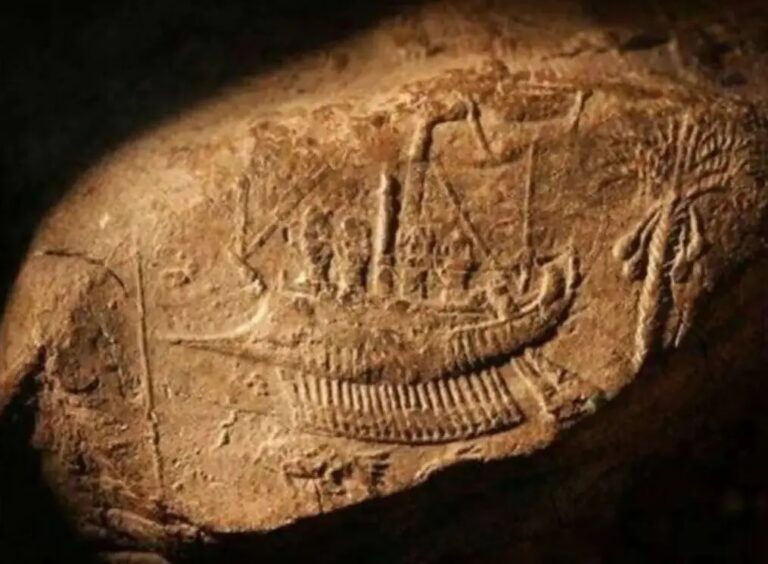
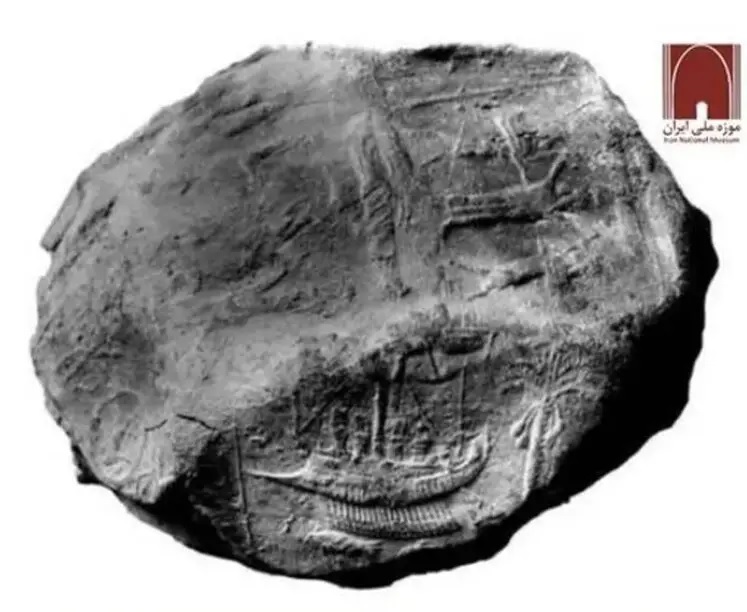
During excavations conducted by the Oriental Institute of the University of Chicago in 1936, under the direction of Erich Schmidt, a seal impression on clay depicting a ship was discovered. This seal impression shows a large vessel in left-side profile, moving from right to left.
The ship's hull is curved, and a ram is visible at the front of its prow.
Rams, usually made of metal such as bronze, were used in naval warfare to pierce and disable enemy vessels, much like battering rams were used in land warfare to destroy gates and fortifications. The presence of this ram clearly indicates that the image represents a military ship or war galley.
The ship has 22 oars, one mast, and a sail that is furled and tied above it. On the right side of the scene, a palm tree is depicted. Based on its type and hanging clusters, it may refer to the geography of the coasts and hinterlands of the Persian Gulf.
In addition, the palm tree held symbolic and royal significance in Achaemenid culture and may represent royal authority and legitimacy. This image may therefore be interpreted as a reflection of the maritime dominance of the Achaemenid Empire. Historical evidence supports this naval power, including coins depicting warships struck in the city of Sidon—one of the major commercial centers of the eastern Mediterranean coast—in the names of Persian kings (Artaxerxes II and III), indicating Iran's political and military influence in this region.
Another piece of evidence is the inscription of Darius the Great in Egypt. By constructing a canal between the Nile River and the Red Sea (known as the Canal of Darius or the ancient Suez Canal), Darius established a maritime connection between the Mediterranean and the Persian Gulf. This remarkable undertaking demonstrates his strategic understanding of the importance of sea routes. In his inscription, he states that ships under his command passed through this waterway and reached the Persian Gulf.
Despite its small size, this clay seal impression is a valuable document of the power, organization, and superiority of Iran’s naval fleet approximately 2,500 years ago, reflecting the strategic importance of the sea in the politics and governing philosophy of the Achaemenid Empire.
Page Term Reference
Comments