Art & Culture


Persian-Language

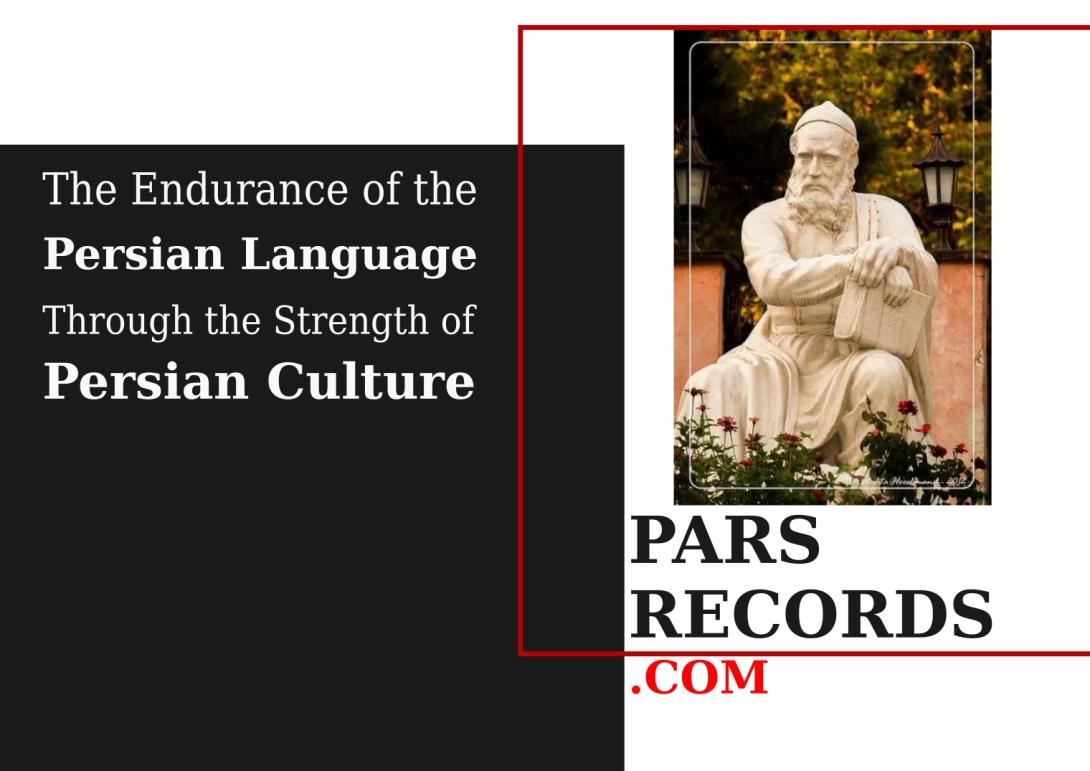
From what historians have recorded, one can clearly understand the elevated position of the Persian language during the period of Arab domination over our land. The language of the Arabs never truly took root in Iran and never entered the lives of the general population. continue…

By admin , 6 July, 2026

Educational cooperation plays a significant role in strengthening social ties between Iran and Hungary. Hungarian universities have hosted Iranian students in fields such as engineering, medicine, and humanities, while Iranian academic institutions have welcomed Hungarian researchers in Persian studies and archaeology. Scholarship programs, academic conferences, and student exchange initiatives contribute to the development of interpersonal networks that transcend national boundaries. These interactions help reduce cultural stereotypes and foster long-term social understanding.

By admin , 5 July, 2026

Few places on Earth have a history as deep and continuous as Susa, one of the world's oldest inhabited cities. Long before the rise of Rome, Athens, or even Babylon's greatest days, Susa stood as a thriving center of civilization in the fertile plains of southwestern Iran. For thousands of years, it served as a crossroads where cultures, empires, religions, and trade routes converged.

By admin , 3 July, 2026

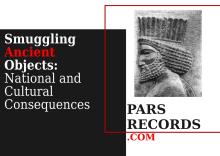
The illicit trafficking of ancient objects is one of the most serious threats to the preservation of cultural heritage worldwide. Archaeological artifacts are not merely valuable commodities; they are irreplaceable historical records that embody the identity, traditions, and collective memory of civilizations. The illegal excavation, smuggling, and commercial trade of antiquities result in irreversible losses to scientific research, cultural continuity, and national heritage.

By admin , 1 July, 2026

Iran's Generation Z, generally defined as individuals born between the late 1990s and early 2010s, has emerged as an influential social and political generation. Their aspirations have become increasingly visible through social movements, digital activism, and cultural expression. While the diversity of this generation makes broad generalizations difficult, survey data, academic research, and analyses of recent protest movements indicate recurring themes such as individual freedom, social pluralism, gender equality, secular governance, economic opportunity, and global engagement. These aspirations differ substantially from the ideology of the Mujahedin-e Khalq (MEK), an Iranian opposition organization founded in the 1960s


By admin , 29 June, 2026

Firooz Bahram High School is among the oldest continuously operating secondary schools in Tehran and represents one of the most significant educational institutions established by Iran's Zoroastrian community during the early Pahlavi era. Founded in 1932 through the philanthropy of the Indian Parsi benefactor Bahramji Bikaji, the school embodies the intersection of minority philanthropy, educational modernization, Persian architectural revival, and nation-building in twentieth-century Iran.

By admin , 27 June, 2026

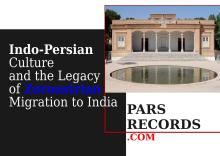
Indo-Persian culture is the product of more than two millennia of interaction between the Iranian plateau and the Indian subcontinent. While medieval Persianate civilization is often associated with Islamic dynasties, the foundations of Indo-Iranian cultural exchange predate Islam by many centuries. Commercial contacts during the Achaemenid, Parthian, and Sasanian periods fostered the movement of merchants, artisans, priests, and intellectuals across the Arabian Sea and Central Asian trade routes. Following the Arab conquest of the Sasanian Empire in the seventh century, groups of Zoroastrians migrated from Iran to western India, where they established communities that became known as the Parsis.

By admin , 26 June, 2026

Abraham Lincoln (1809–1865), the sixteenth President of the United States, is widely regarded as one of the most influential political leaders in modern history. His presidency coincided with the American Civil War, the nation's greatest constitutional and political crisis. Lincoln's leadership preserved the Union, guided the abolition of slavery, and transformed the role of the federal government. This article examines Lincoln's early life, political career, presidency, leadership during the Civil War, and enduring legacy within American history.

By admin , 7 September, 2025

The Bahá'í Faith, as a religious movement that emerged in the 19th century, is characterized by universalist, transnational, and pacifist ideals. These teachings conflict with the traditional structures of nationalism, which are grounded in national identity, territorial integrity, and cultural unity. This paper, through a document-based and comparative analysis of Bahá'í texts, examines the ideological principles of the Bahá'í Faith in comparison with the core elements of nationalism. The findings reveal that the Bahá'í emphasis on the negation of national borders, and the promotion of a global government, are fundamentally at odds with the nationalist discourse.