

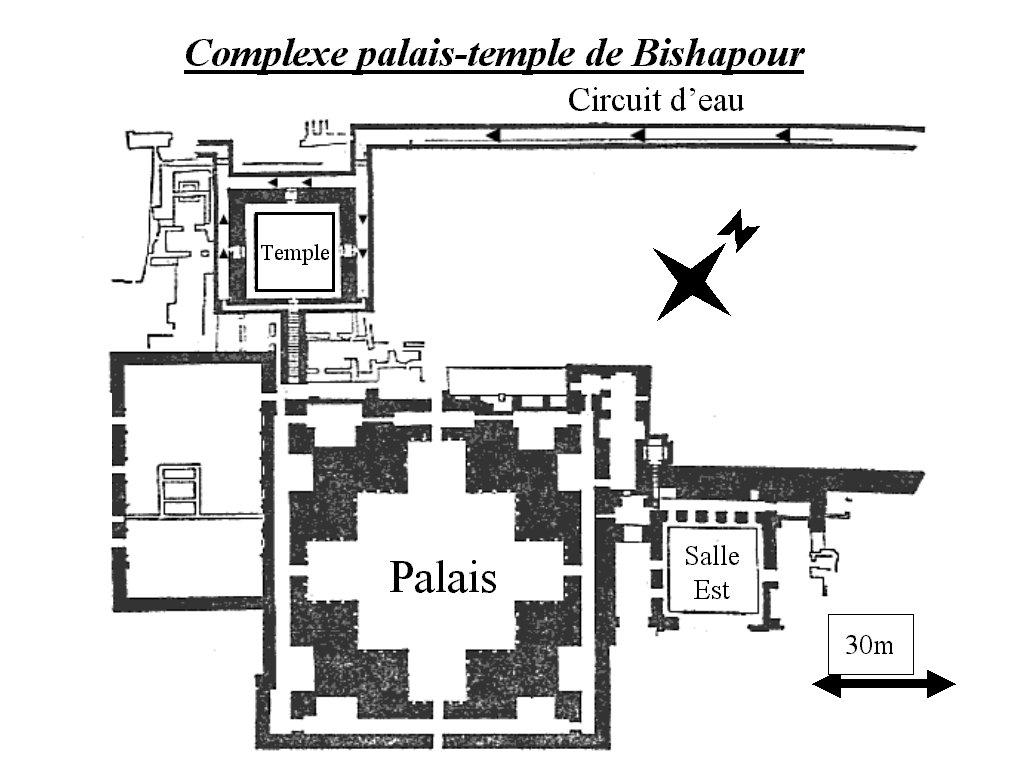
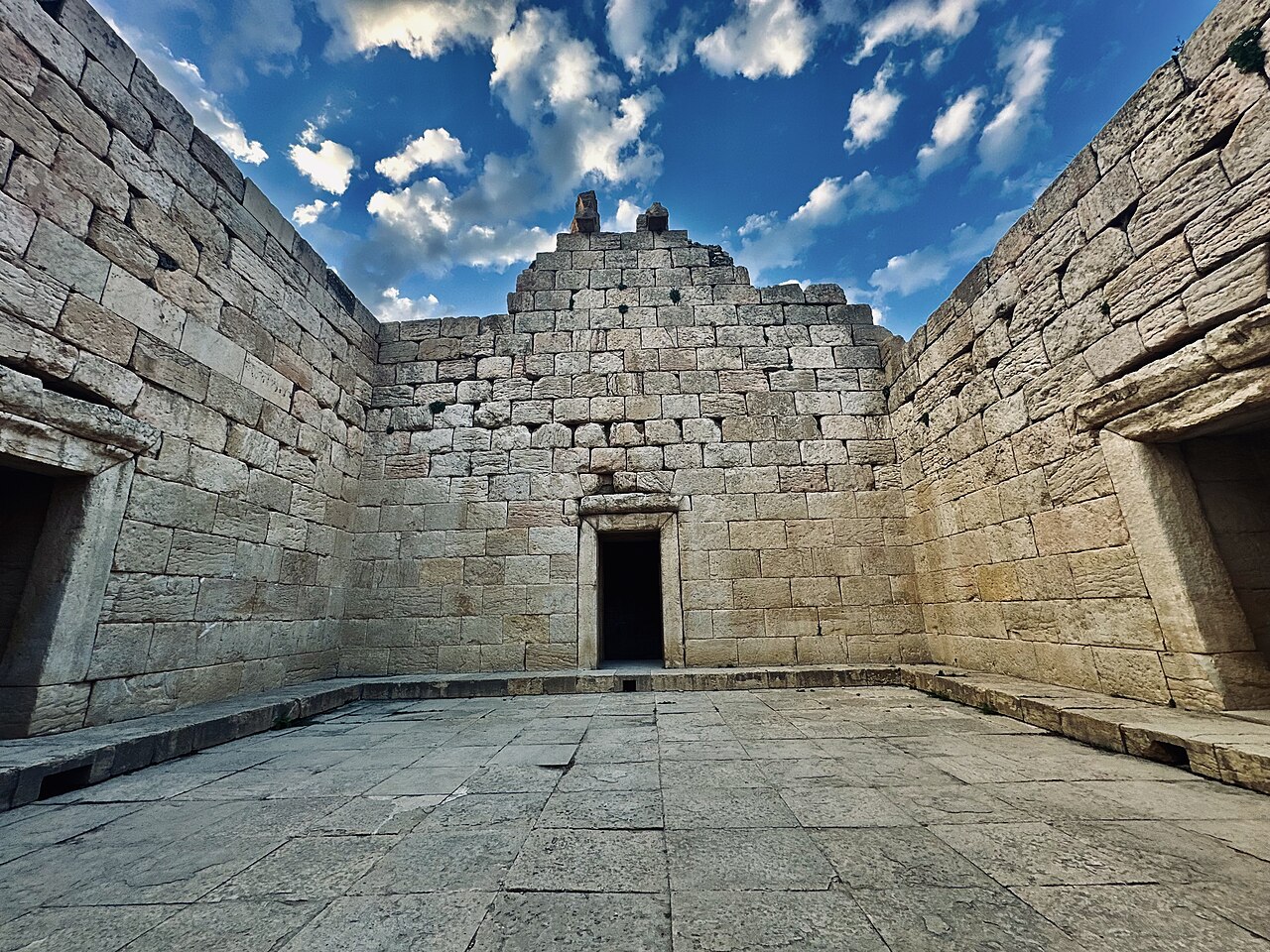
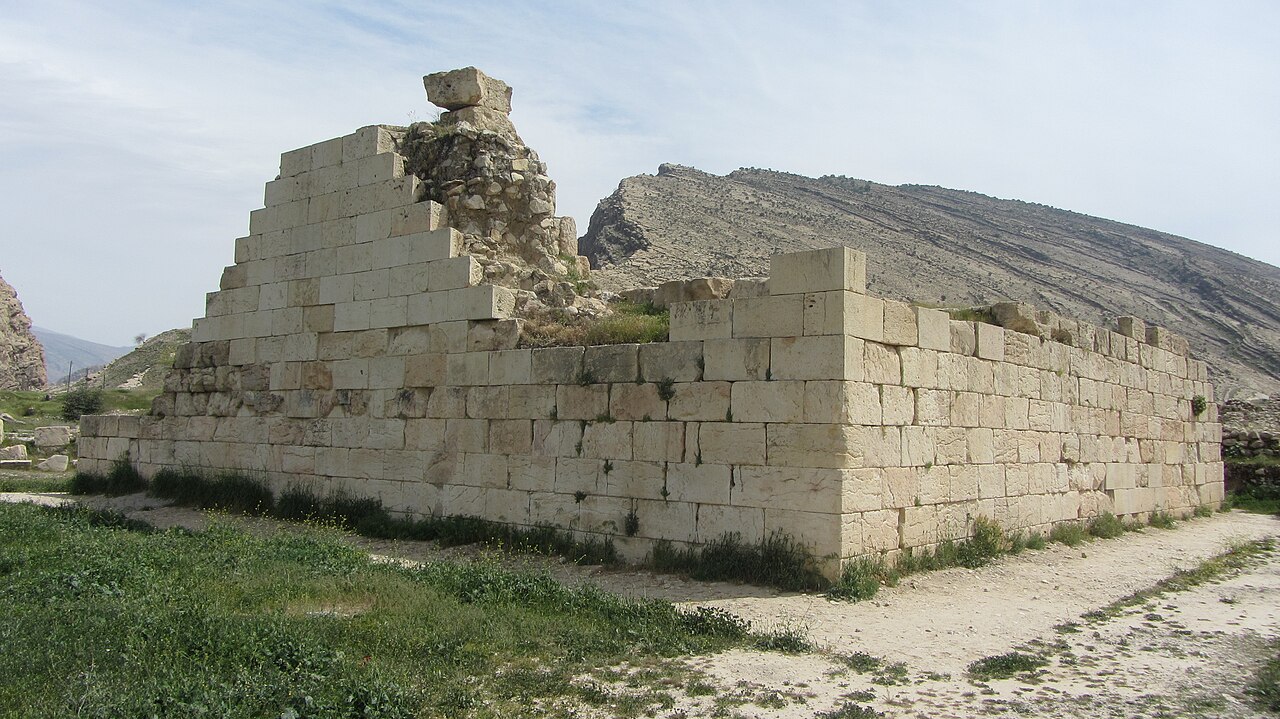
The Temple of Anahita or the Shrine of Anahita (Middle Persian: Ādur-Anāhīd) is one of the famous monuments of the ancient city of Bishapur. The temple was built in the 3rd century AD by the order of the Sasanian king Shapur I. It was registered in 1310 SH[a] as one of the first national monuments of Iran. It is also listed as part of the Bishapur complex in the UNESCO World Heritage List. Bishapur (Middle Persian: Vēh-Šābuhr or Bēšābūr; in Middle Persian inscriptions: 𐭡𐭩𐭱𐭧𐭯𐭥𐭧𐭥𐭩 Byšḥpwḥry or 𐭡𐭩𐭱𐭧𐭯𐭥𐭧𐭫𐭩 Byšḥpwḥly; in Parthian: 𐭅𐭉𐭇𐭔𐭇𐭐𐭅𐭇𐭓 Wyhšhypwhr; in Sogdian: ܘܝݎܫܦܘܪ Wyxšpwr; in Syriac: ܒܝܫܗܒܘܪ; Persian: بیشاپور) was an ancient city in Iran and one of the capitals of the Sasanian Empire, near the city of Kazerun. This city, listed among Iran's World Heritage Sites, covers an area of about 200 hectares and contains a rich complex of historical monuments and structures. Bishapur was founded in AD 266 by order of Shapur I to commemorate the Sasanian victory over the Roman Empire, and it remained one of the most important cities of the empire until the Muslim conquest of Persia. The ancient city of Bishapur is located next to the Chowgan Valley and the Shapur River, 15 kilometers west of Kazerun, in southwestern Iran. Bishapur was built near a river crossing and at the same site there is also a fort with rock-cut reservoirs and a river valley with six Sassanid rock reliefs.
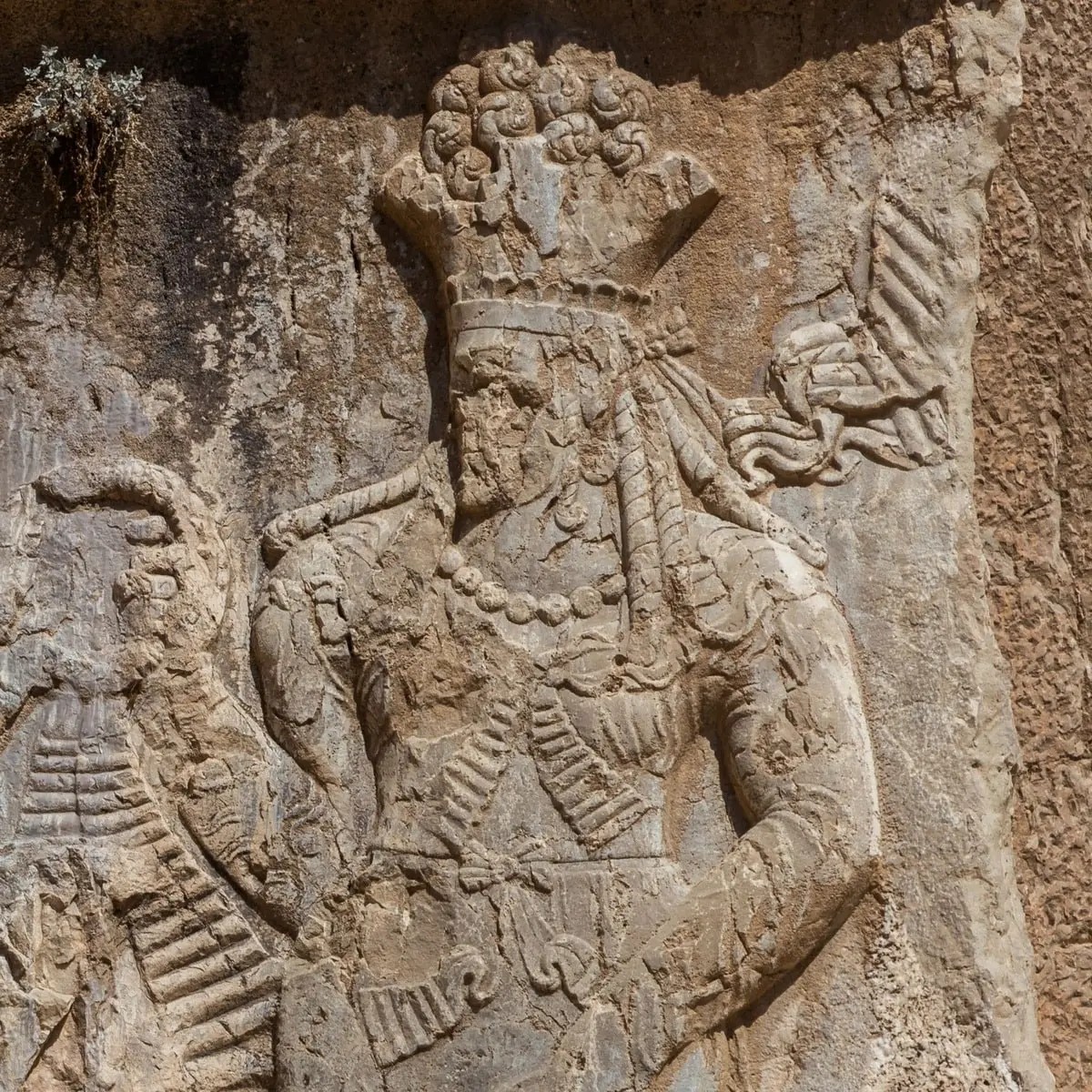
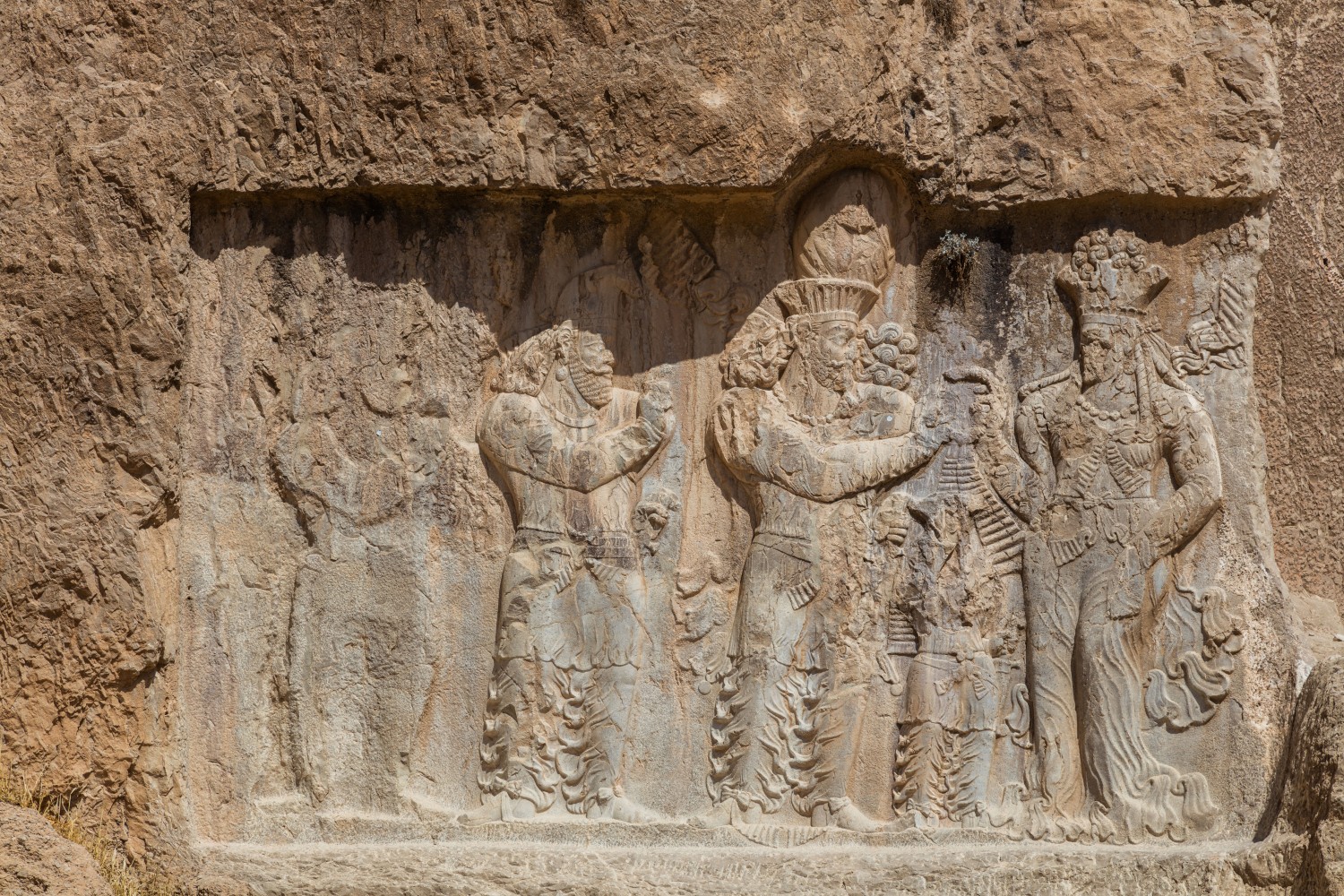
A bas-relief of the goddess Aredvi Sura Anahita, or the angel of water, at Naqsh-e Rustam, IRAN
Anahita appears in the Avesta as Anāhitā, meaning "pure, undefiled," and the adjective Aredvi Sura also means water or a mighty river. She is the size of all the flowing waters on this earth.
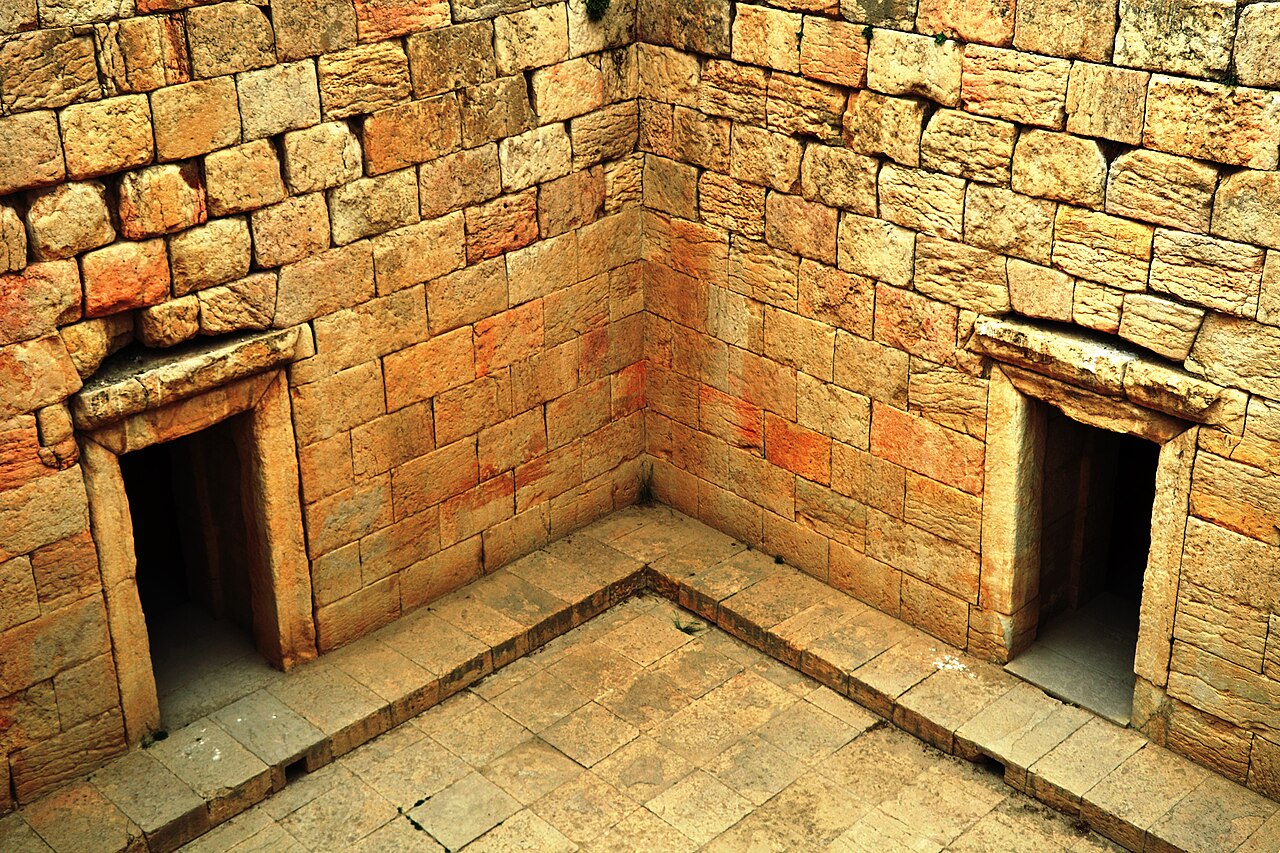
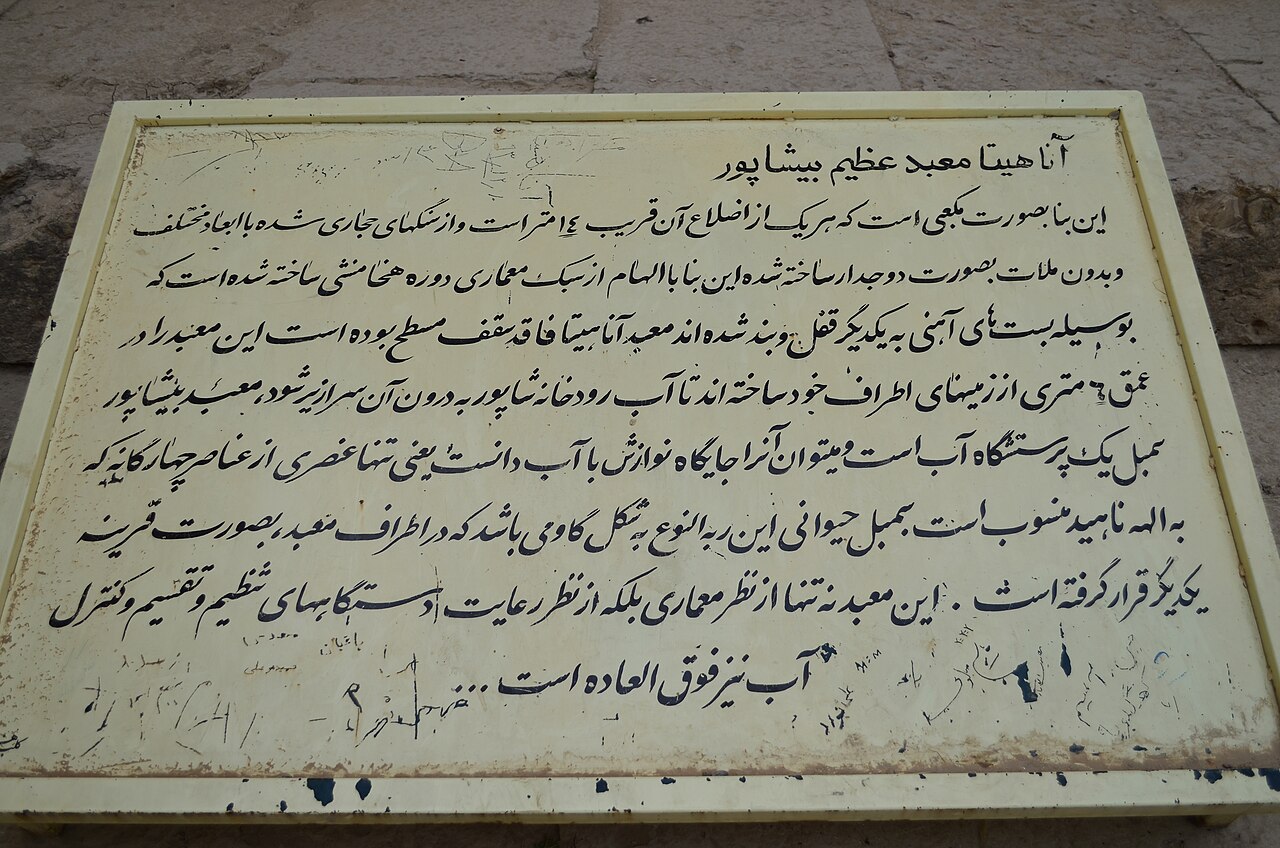
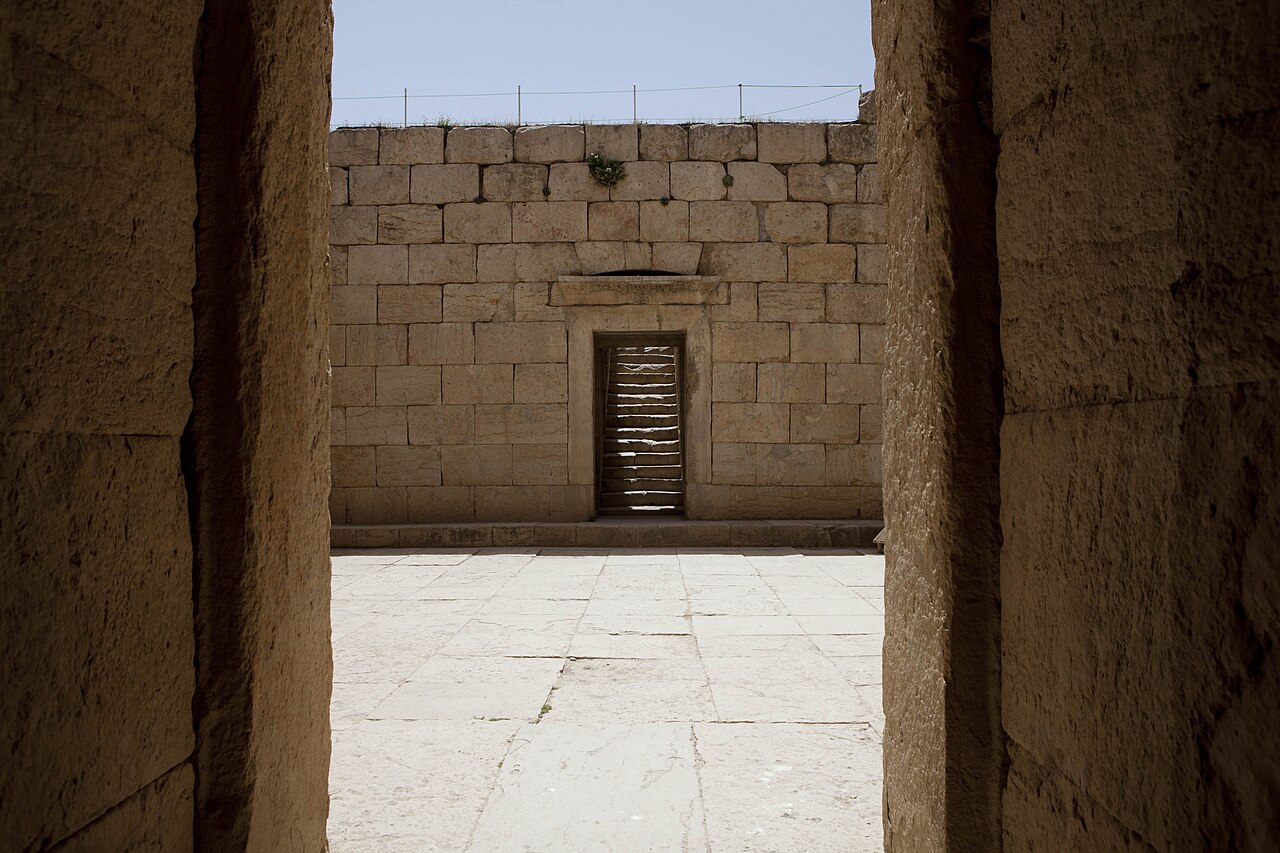
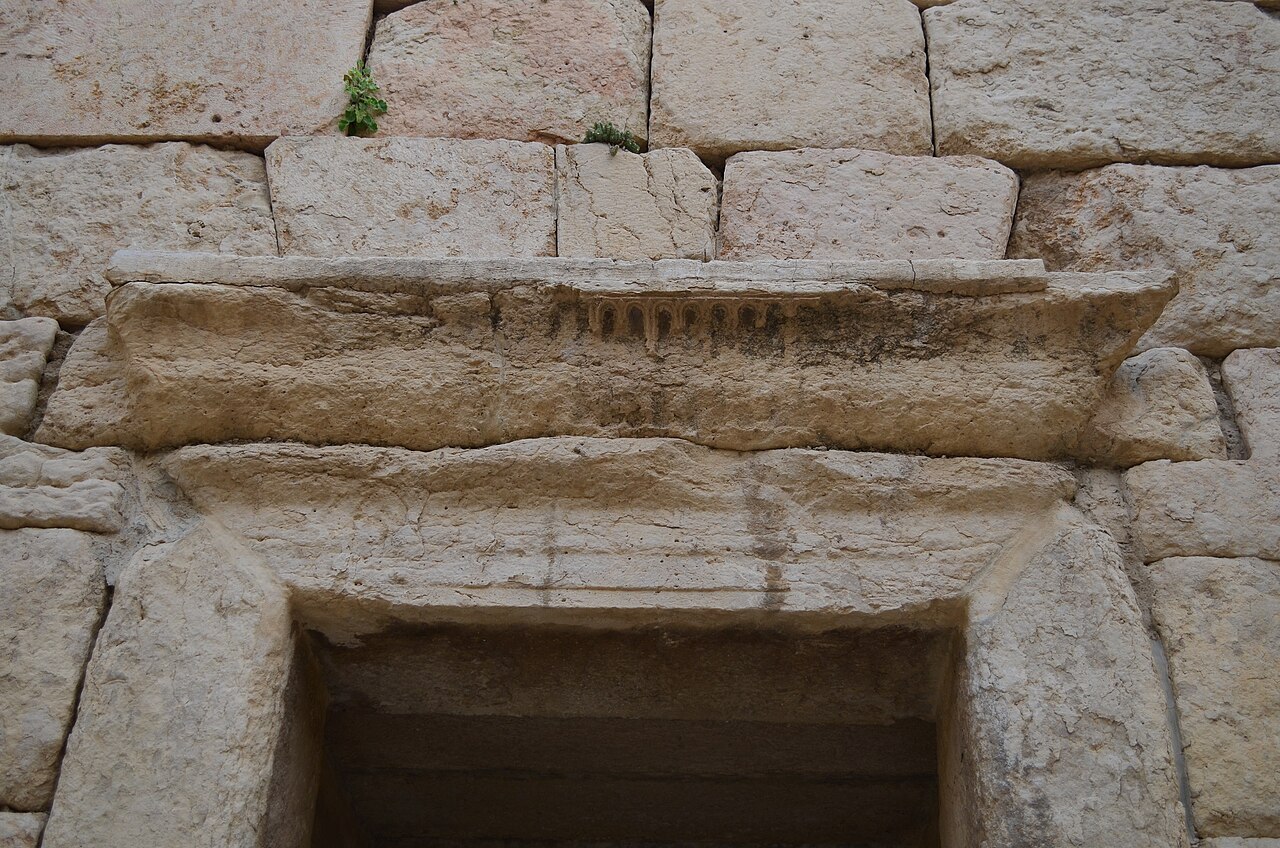
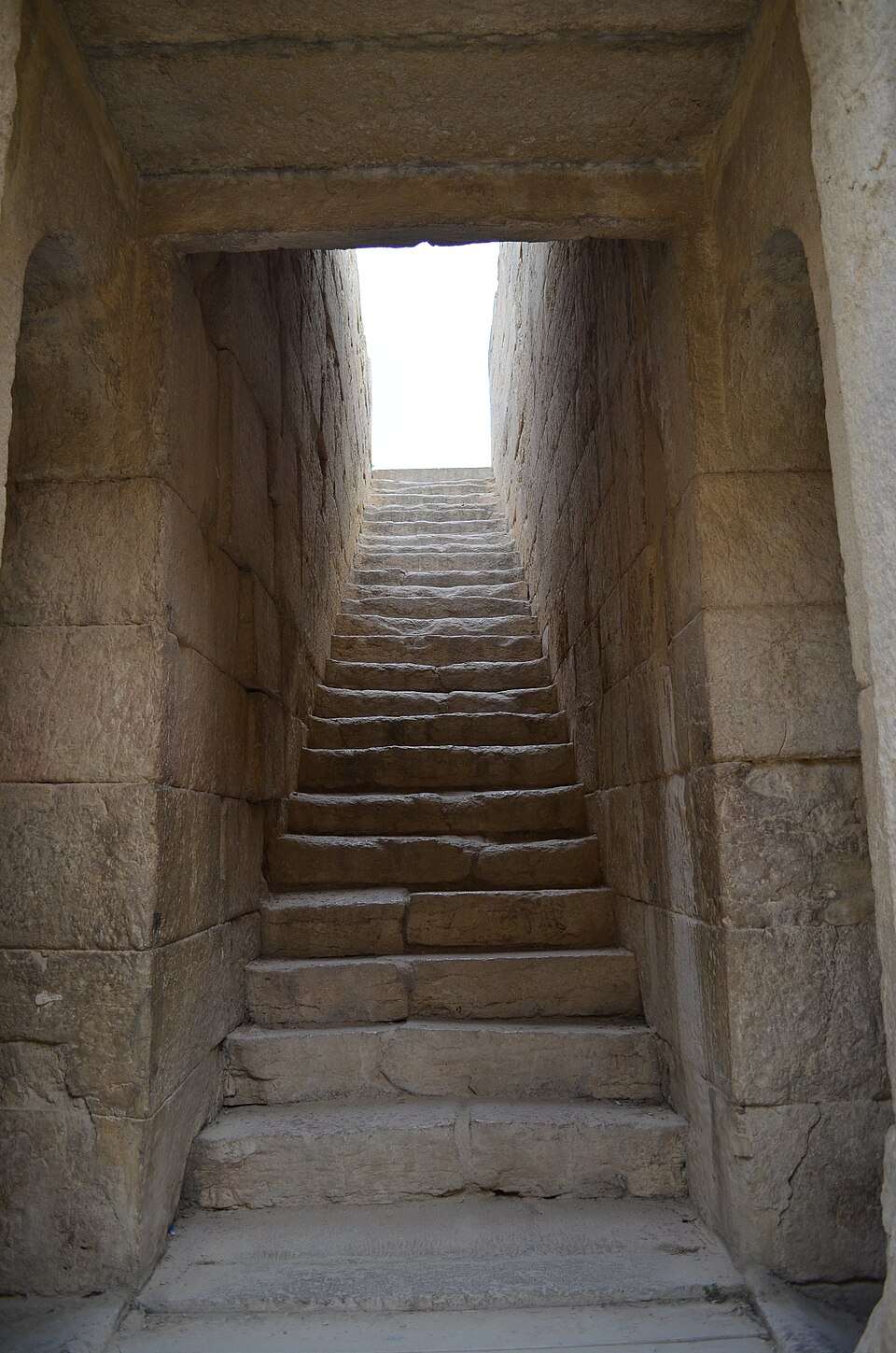
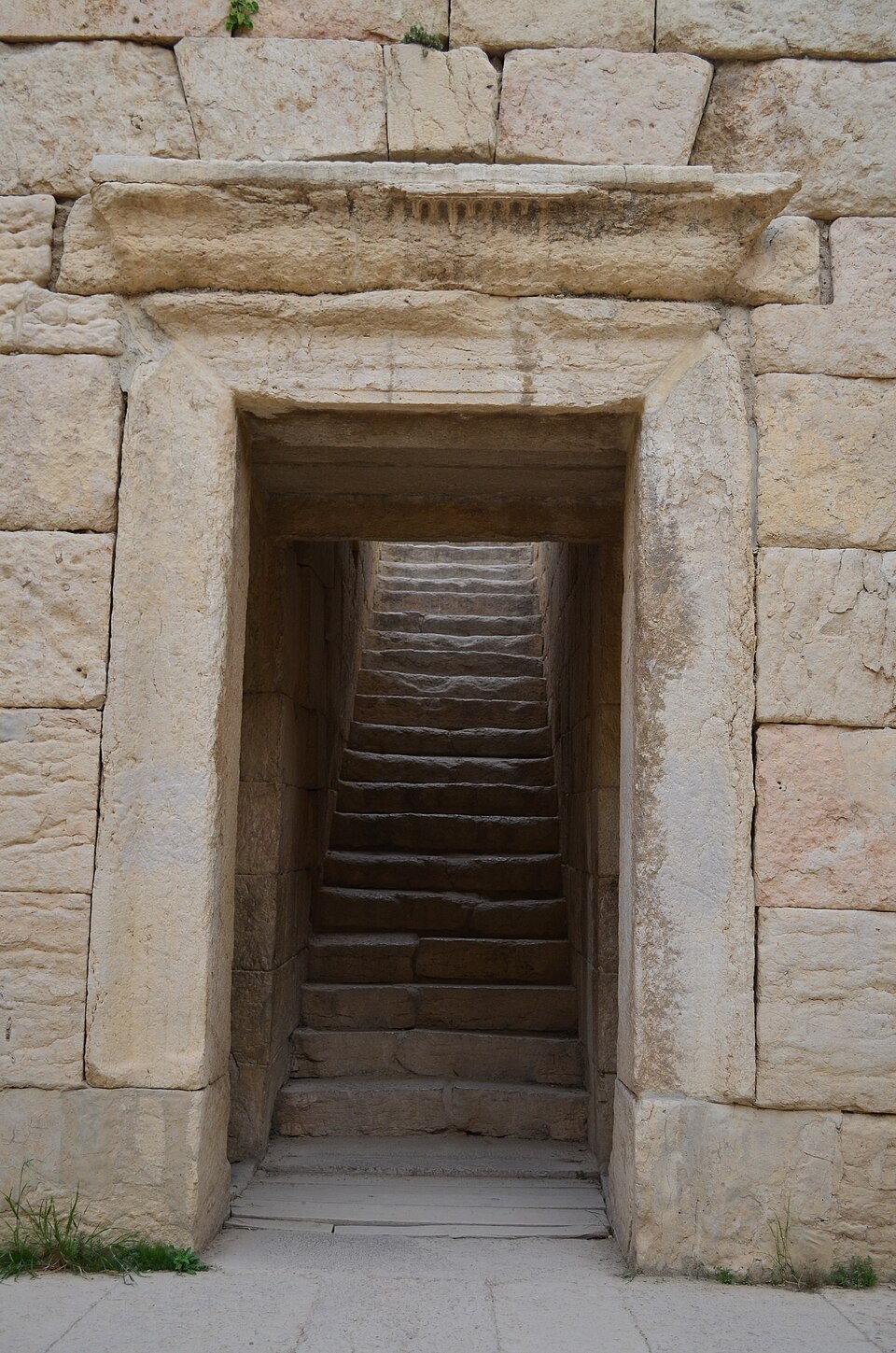
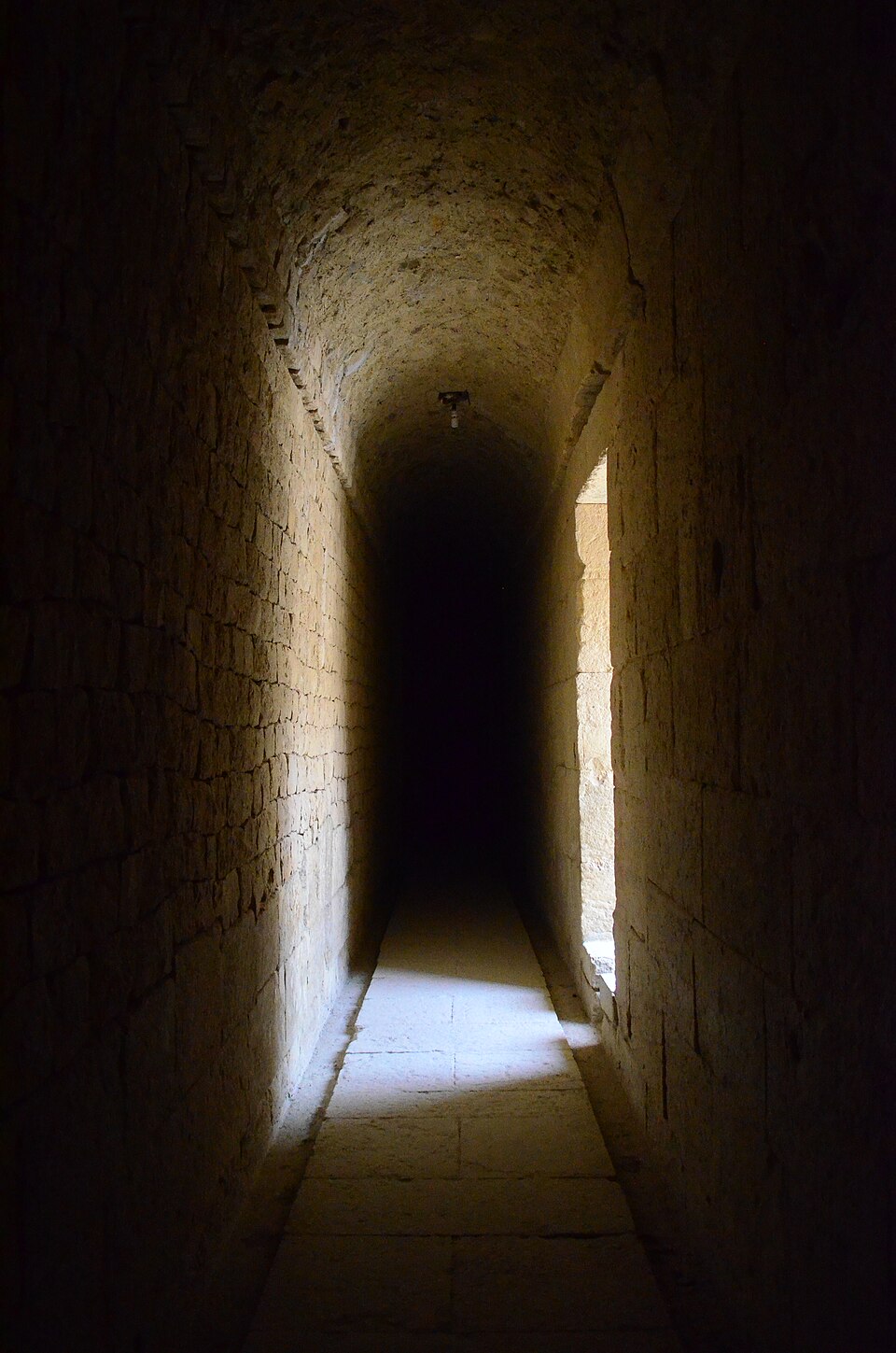
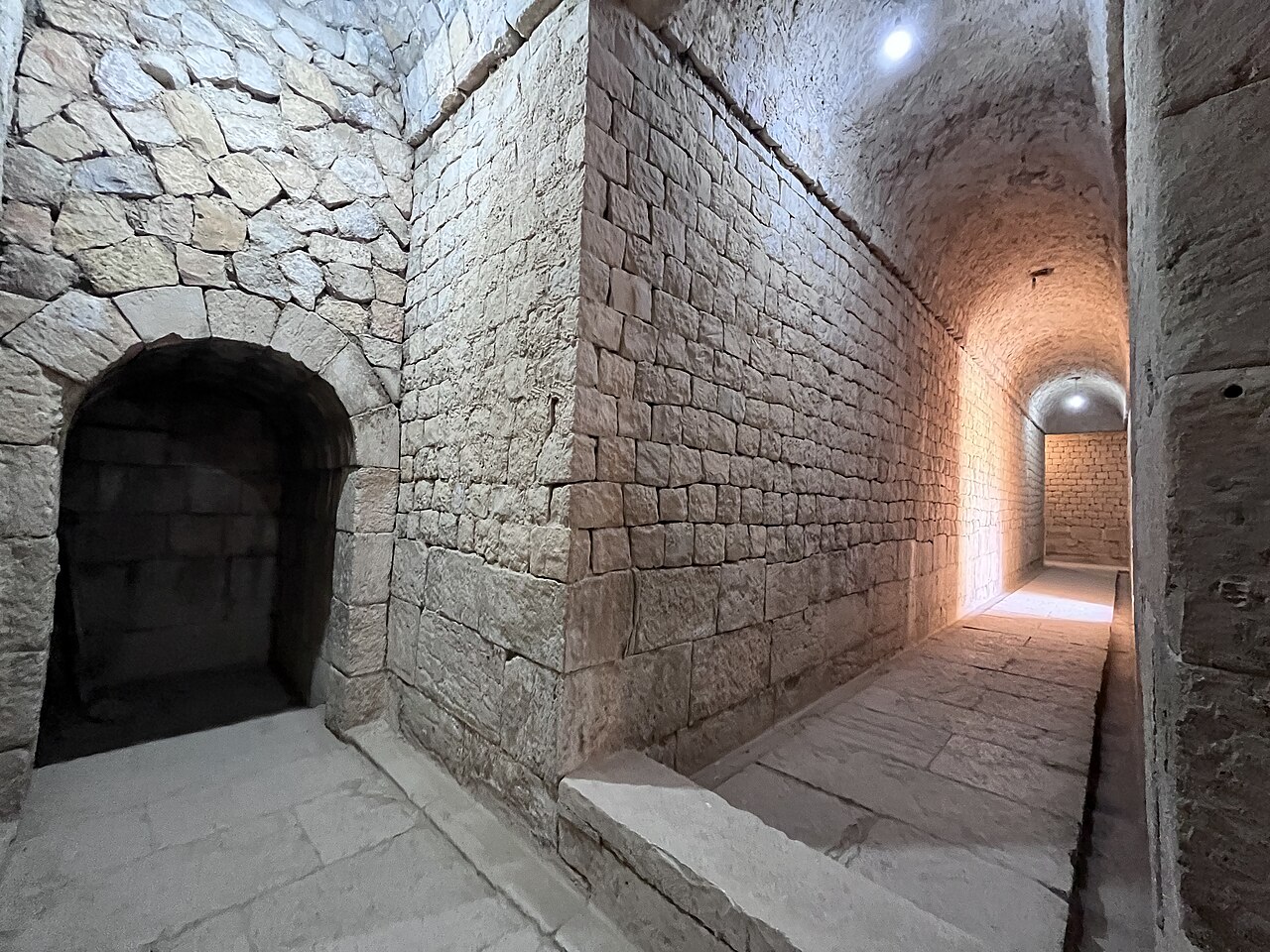
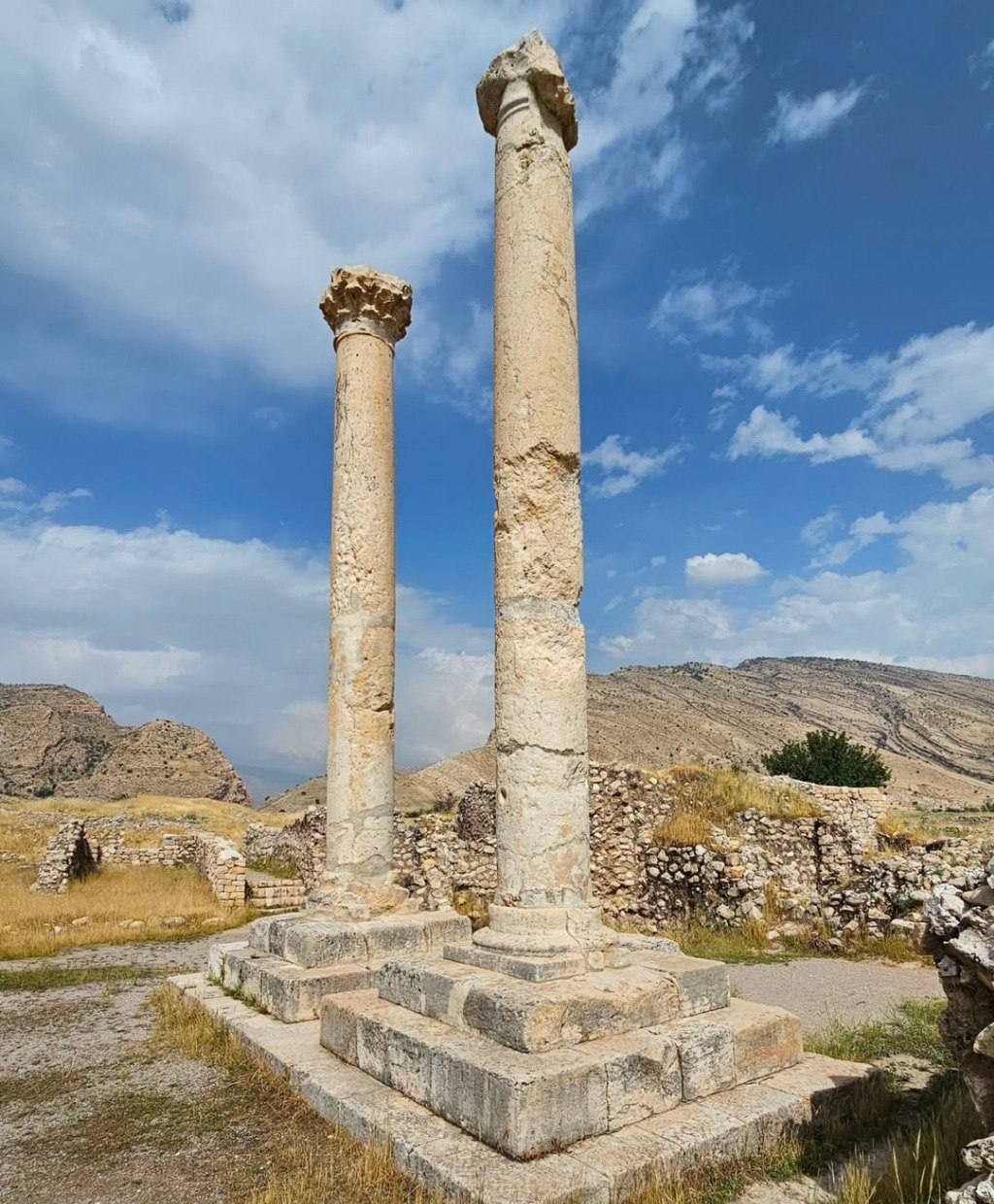
The Temple of Anahita is a large rectangular room in the shape of a cube in a depression 6 meters above the ground, each side of which is nearly 14 meters. It is built of carved stones without mortar, double-walled, and in the Achaemenid architectural style. These stones are connected to each other with iron fasteners. A staircase from the palace was also connected to this temple. The temple has no roof and the purpose was to bring the water of the Shapur River, which flows 250 meters away, into the temple, so that after flowing inside the temple, it would be discharged through a Qanat.
Haurvatat (/ˈhəʊrvətət/; Avestan: 𐬵𐬀𐬎𐬭𐬎𐬎𐬀𐬙𐬁𐬙, romanized: hauruuatāt) is the Avestan language word for the Zoroastrian concept of "wholeness" or "perfection." In post-Gathic Zoroastrianism, Haurvatat was the Amesha Spenta associated with water (cf. apo), prosperity, and health.
Etymologically, Avestan haurvatat derives from an Indo-Iranian root and is linguistically related to Vedic Sanskrit sarvatāt "intactness, perfection". The Indo-Iranian root has in turn Indo-European origins. In Common Era Zoroastrian tradition, Haurvatat appears as Middle Persian Hordad, continuing in New Persian as Khordad. The Iranian civil calendar of 1925, which adopted Zoroastrian calendar month names, has Khordad as the name of the 3rd month of the year.
The Avestan language noun haurvatat is grammatically feminine and in scripture the divinity Haurvatat is a female entity. However, in tradition (K)Hordad was/is considered male; this development is attributed to the loss of grammatical gender in Middle Persian. In Isis and Osiris 46, Plutarch translates Haurvatat as Πλοῦτος ploutos "wealth, riches" and equates the divinity with "Plutus," the Greek god of riches.
|
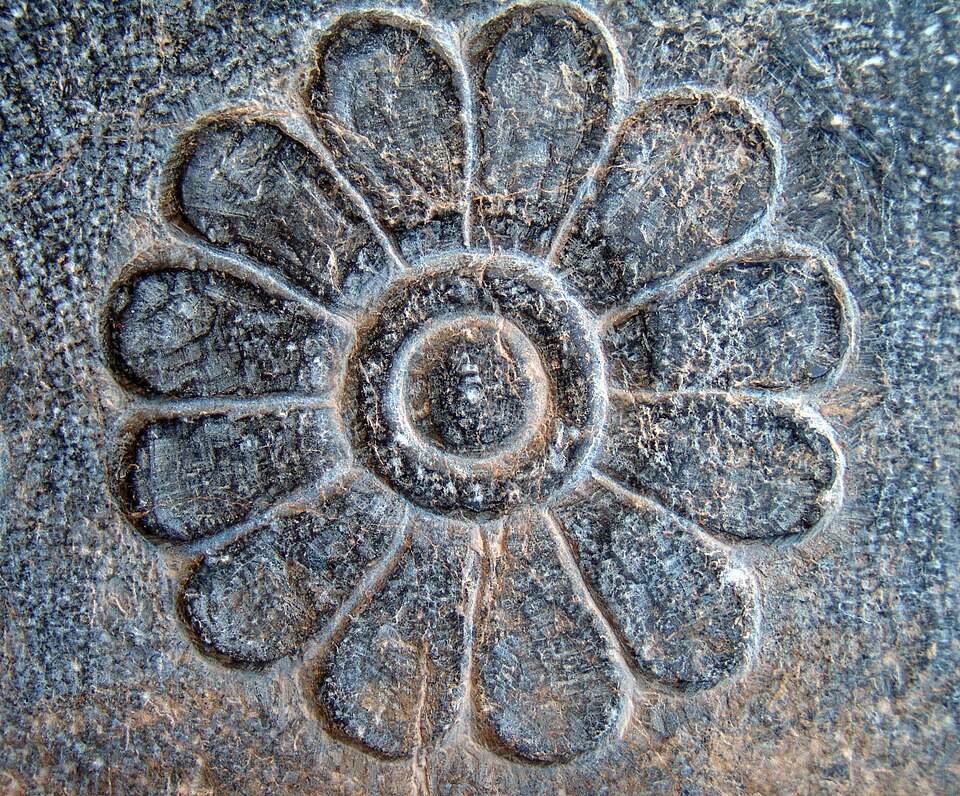
The Lotus flower / Lilium Chehel Cheragh is the symbol of goddess Anahita
|
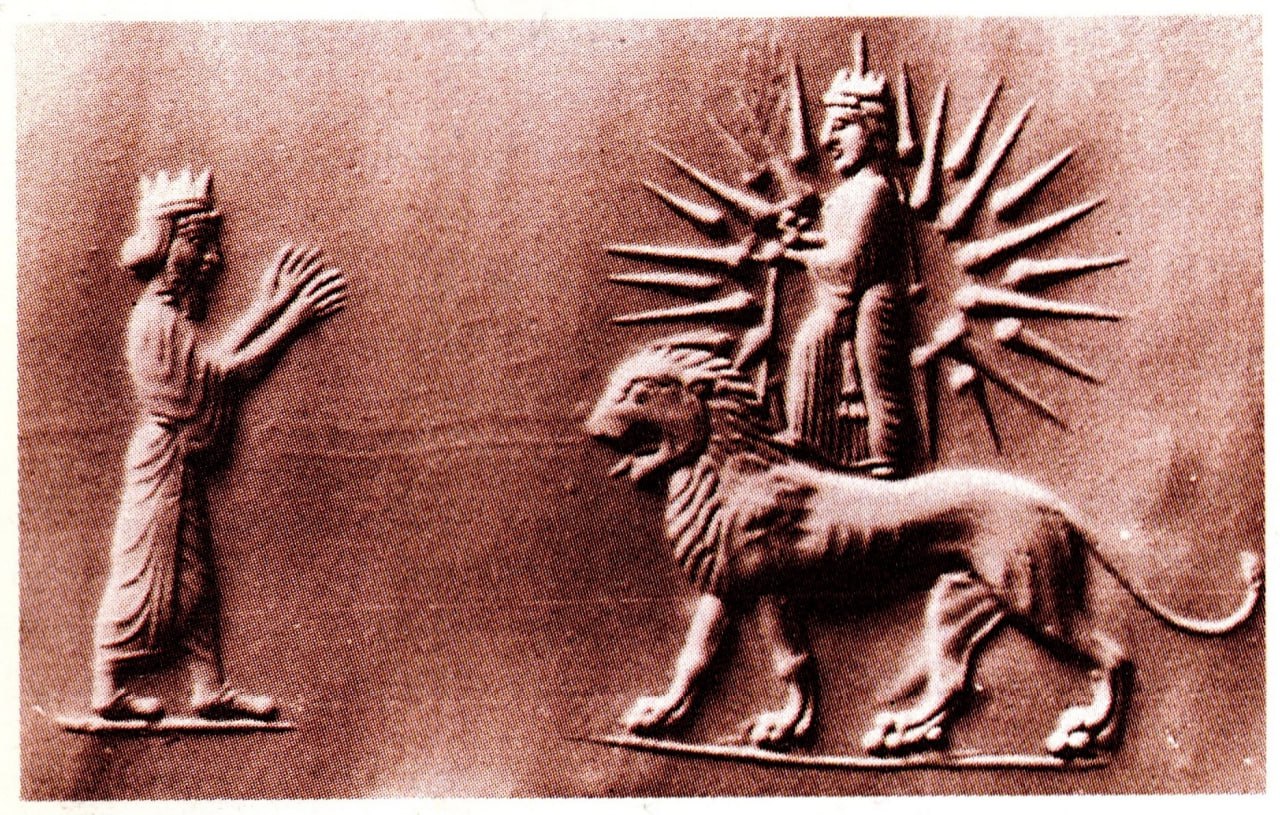
Seal of the Achaemenid period |
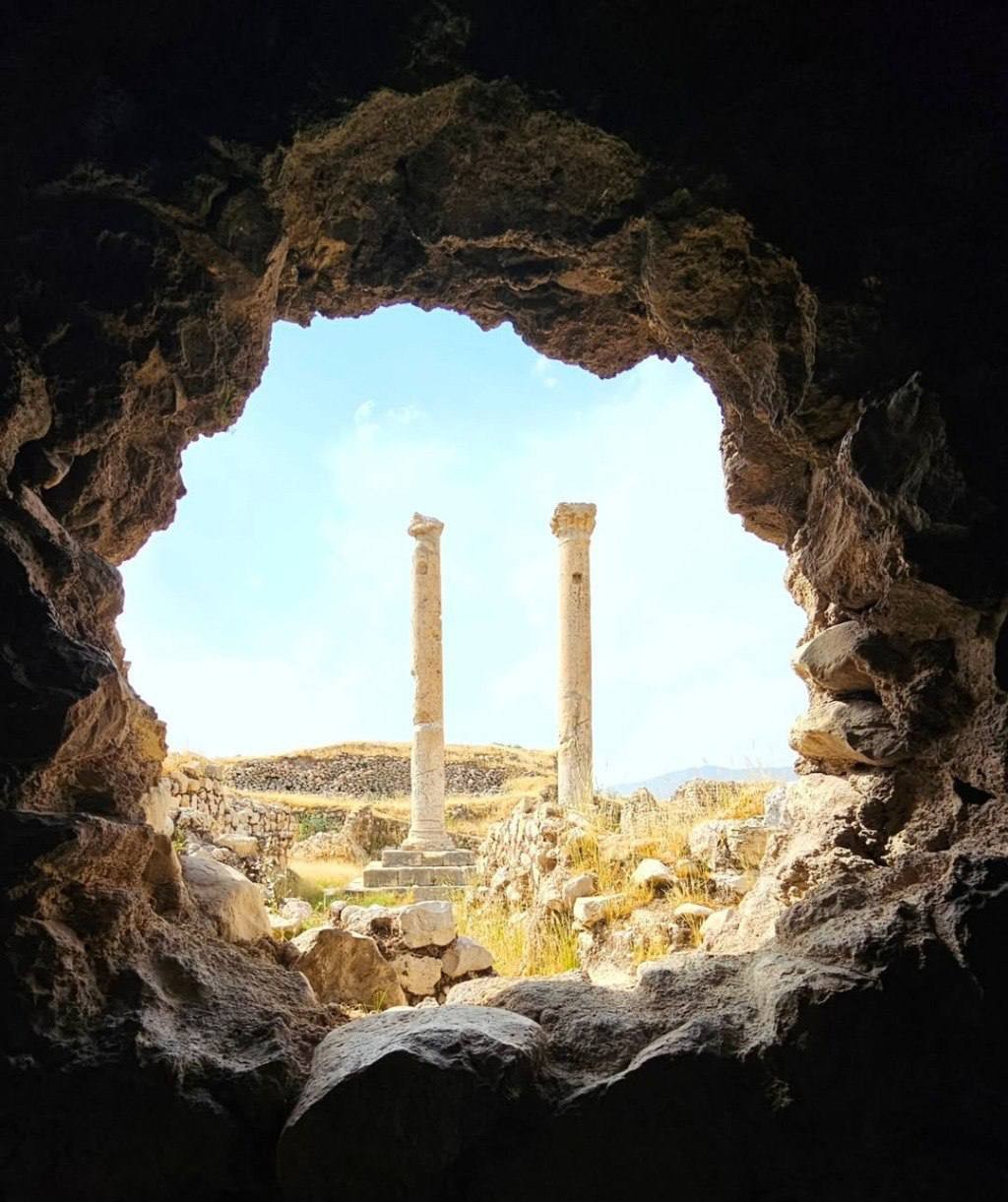
The Anahita Temple of Kangavar, after years of neglect and damage caused by construction activities, has entered a new phase of protection, archaeological investigation, and site management. With the completion of infrastructure projects, plans for an archaeological museum, and the continuation of excavation and conservation work, the site is now being prepared as part of the proposed “Parthian–Sasanian Archaeological Landscape from the Temple of Anahita to Taq Kasra” nomination. This serial heritage project seeks the inscription of a connected historical landscape on UNESCO’s World Heritage List.
Five major archaeological excavation campaigns have been carried out at the site so far, and current efforts focus on completing visitor facilities, establishing a museum, expanding research, and advancing restoration programmes.
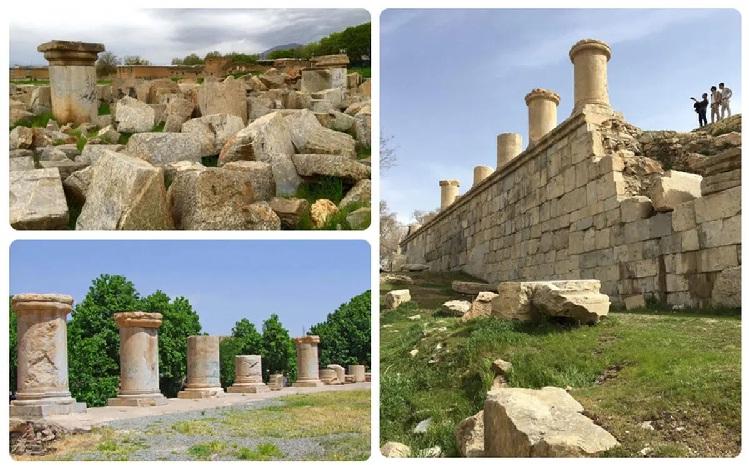
The Temple of Anahita was designated a national heritage project in 1968, yet safeguarding the monumental stone complex proved challenging. Residential buildings once occupied parts of the archaeological area, historical stones were removed for secondary uses such as lime production, and construction activities continued within the site over several periods. Years of interrupted conservation work also contributed to serious damage across sections of the monument.
Nearly 320 residential units have since been removed from the site, but this did not end the challenges. Architectural remains from different historical periods still survive beneath and around the complex, making continued archaeological investigation essential for understanding the monument’s history, development, and function.
Research activities resumed in recent years after a period of inactivity, bringing renewed attention to conservation, excavation, and the organisation of the surrounding landscape. Although five major excavation phases have been undertaken, many questions remain unanswered. The complex nature of the structure and the presence of architectural remains from later periods require further study in order to reconstruct the sequence of occupation and changes in use over time.
One of the principal unresolved issues concerns the original function of the monument itself. Whether the structure known today as the Temple of Anahita fully corresponds to earlier historical interpretations remains an open question, and further archaeological evidence is needed to clarify its purpose.
In recent years, protection of the site has been prioritised through improved fencing, surveillance systems, lighting, and controlled access. Efforts have also focused on strengthening public awareness and encouraging local communities to regard the monument as an important part of their historical and cultural identity.
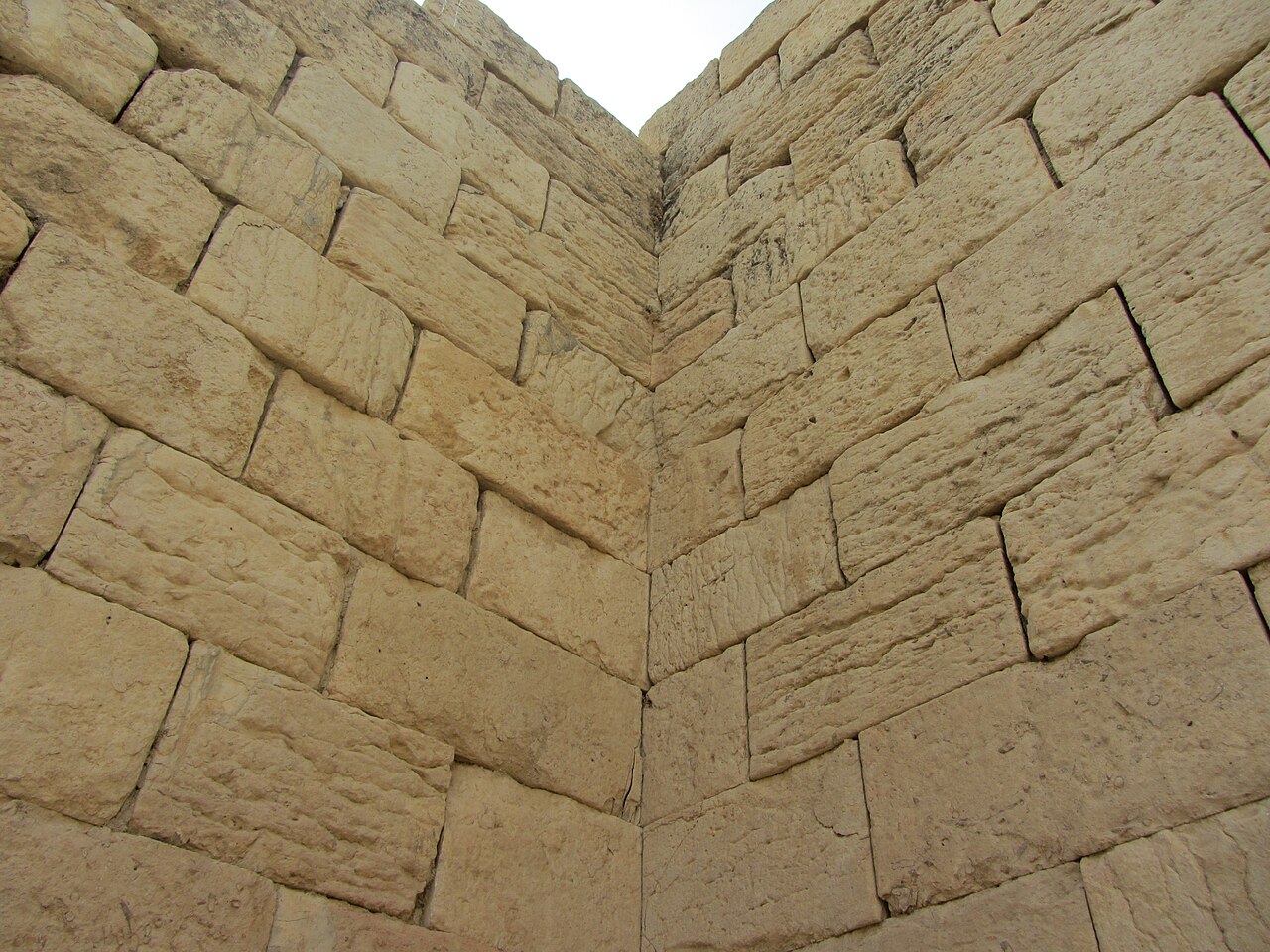
Environmental improvements have accompanied these measures. Access routes have been reorganised, visitor facilities upgraded, parking areas established, and incompatible activities around the site removed. Landscaping projects and the creation of green spaces have further enhanced both the appearance and protection of the archaeological area.
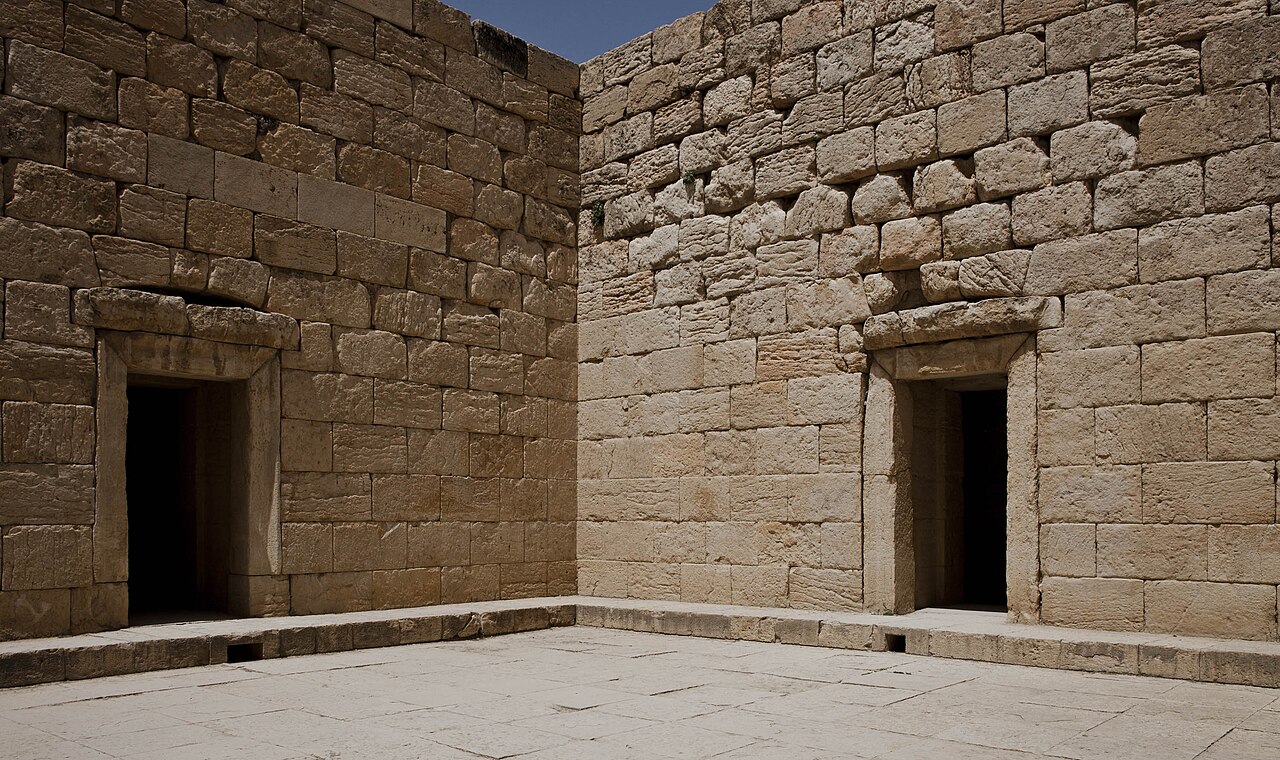
Among the most significant developments is the transformation of the surrounding route into a pedestrian walkway integrated with the urban fabric of Kangavar. Plans are also underway for the establishment of an archaeological museum that will display artefacts associated with the site and provide visitors with historical context before entering the monument.
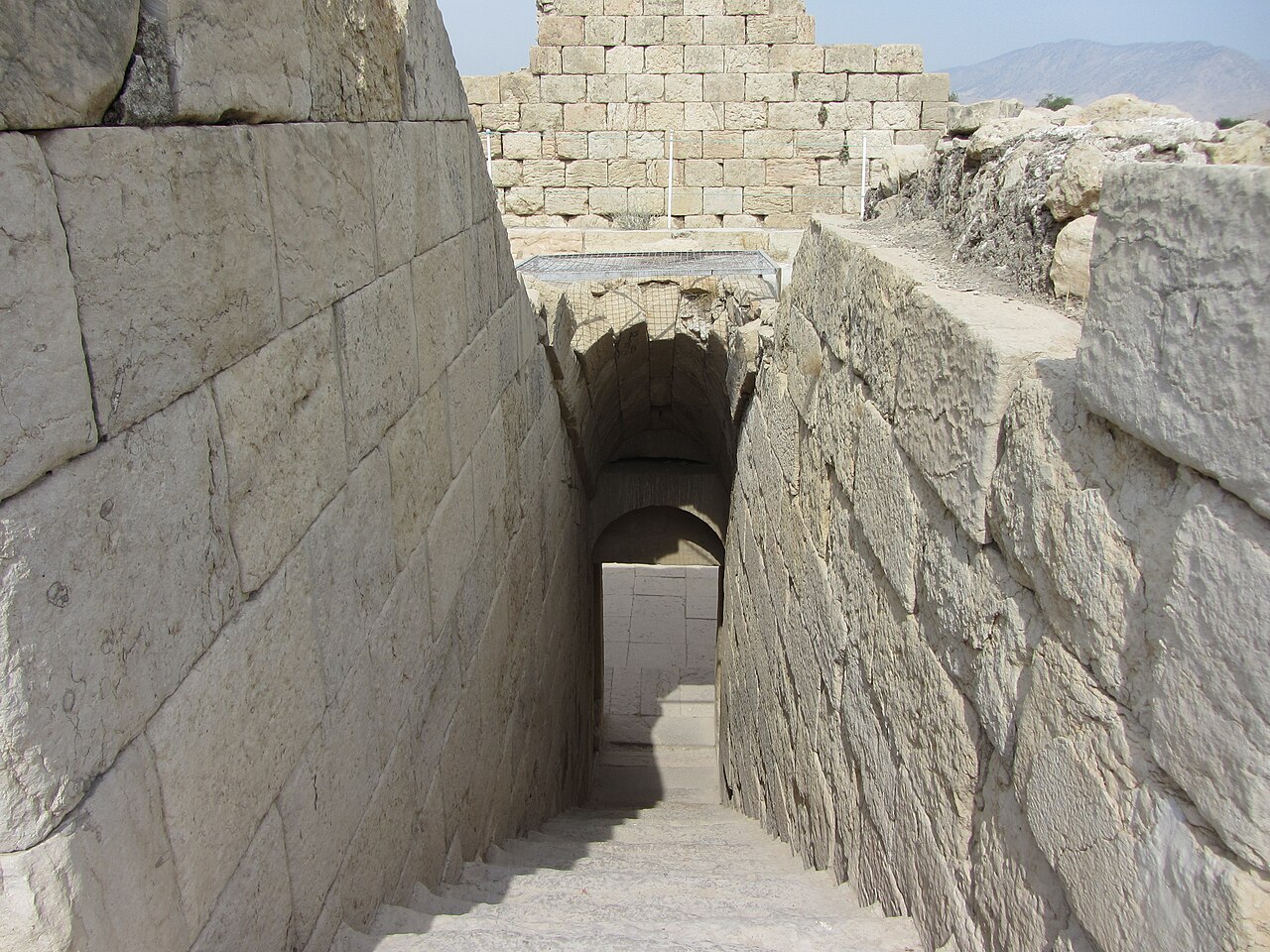
Much of the required infrastructure is expected to be completed in the near future, allowing greater attention to be directed toward excavation and restoration. Conservation, however, will proceed only after sufficient research has been conducted, ensuring that all interventions are firmly based on archaeological and historical evidence.
 |
||
 |
 |
 |
Beyond restoration, the most important long-term objective is the preparation of the UNESCO World Heritage nomination, linking the Temple of Anahita with related Parthian and Sasanian sites and extending westward to Taq Kasra in present-day Iraq. The project aims to present these interconnected monuments as a single cultural landscape reflecting centuries of historical exchange and development.
Within this broader narrative, Kangavar occupies a significant position as a historical crossroads connecting eastern and western regions of Iran through major communication routes across successive periods, from the Median and Achaemenid eras to the Parthian and Sasanian periods. Efforts are currently underway to complete the nomination dossier over the coming years, with the goal of securing international recognition for this remarkable and interconnected heritage landscape.
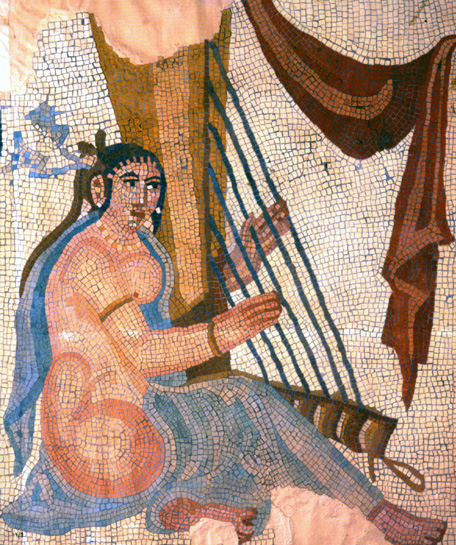
Sasanian mosaic of a harpist woman, discovered in the Bishapur mosaic porch, currently housed in the Louvre Museum in Paris. |
 |
Learn About: Mithra & Mithra's Necklace
Page Term Reference
Comments