

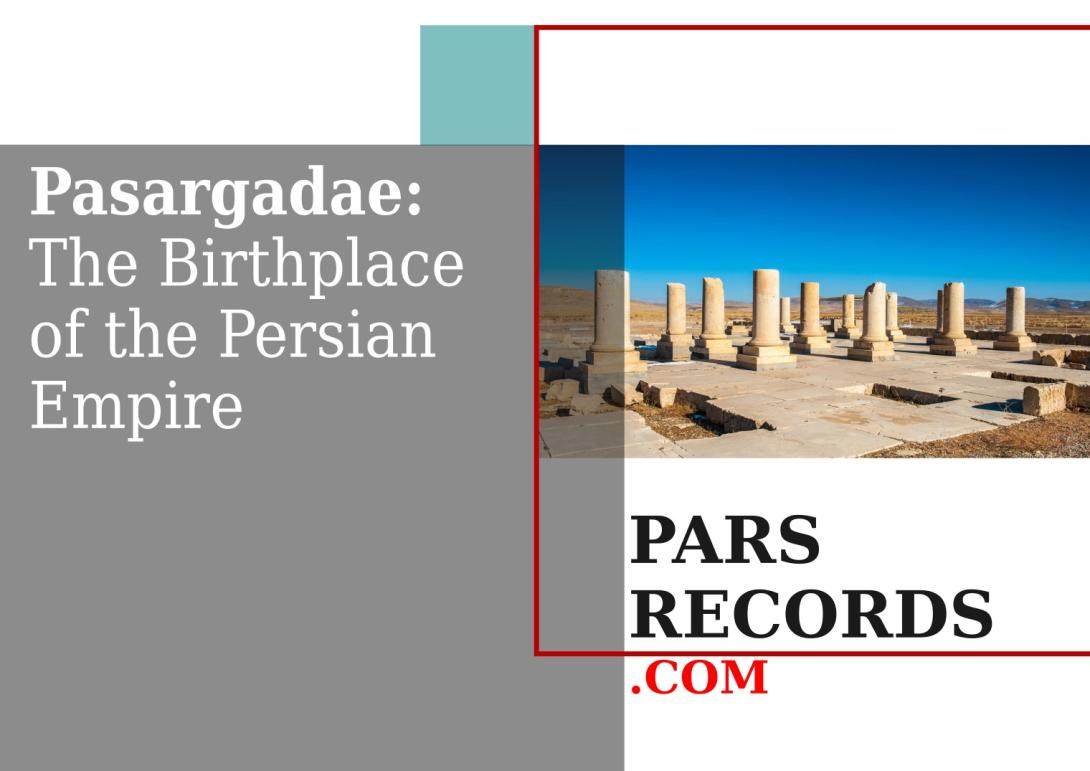
Pasargadae is more than an archaeological site—it is the birthplace of the Persian Empire and a symbol of one of history's greatest civilizations. Nestled in the fertile plains of southern Iran, this ancient city represents the vision of a ruler whose influence reached from Central Asia to the Mediterranean. Founded by Cyrus the Great in the 6th century BCE, Pasargadae became the first capital of the Achaemenid Empire and remains one of the world's most significant cultural heritage sites.
Few ancient cities carry the historical weight of Pasargadae. Long before the magnificent terraces of Persepolis were built, Pasargadae stood as the political, ceremonial, and cultural heart of a rapidly expanding empire. Although time has reduced much of the city to scattered stone foundations, its surviving monuments continue to tell the story of an extraordinary era.
Today, Pasargadae attracts historians, archaeologists, architects, and travelers eager to experience the origins of imperial Persia.
Where Is Pasargadae?
Pasargadae lies in Iran's Fars Province, approximately 130 kilometers northeast of Shiraz. The site occupies a broad plain surrounded by rugged mountains, providing both natural beauty and strategic importance.
Its location placed it along important trade and communication routes that connected various parts of the expanding Persian Empire.
Founded by Cyrus the Great
Pasargadae was established around 546 BCE by Cyrus the Great after his victory over the Medes. Rather than inheriting an existing royal city, Cyrus created an entirely new capital that reflected his ambitions and ideals.
Unlike many rulers who emphasized overwhelming grandeur, Cyrus designed Pasargadae as an elegant complex integrated with nature. The city featured palaces, ceremonial buildings, gardens, waterways, and open landscapes that demonstrated harmony between architecture and the environment.
The city remained an important royal center even after later kings moved the capital to Persepolis.
The Tomb of Cyrus
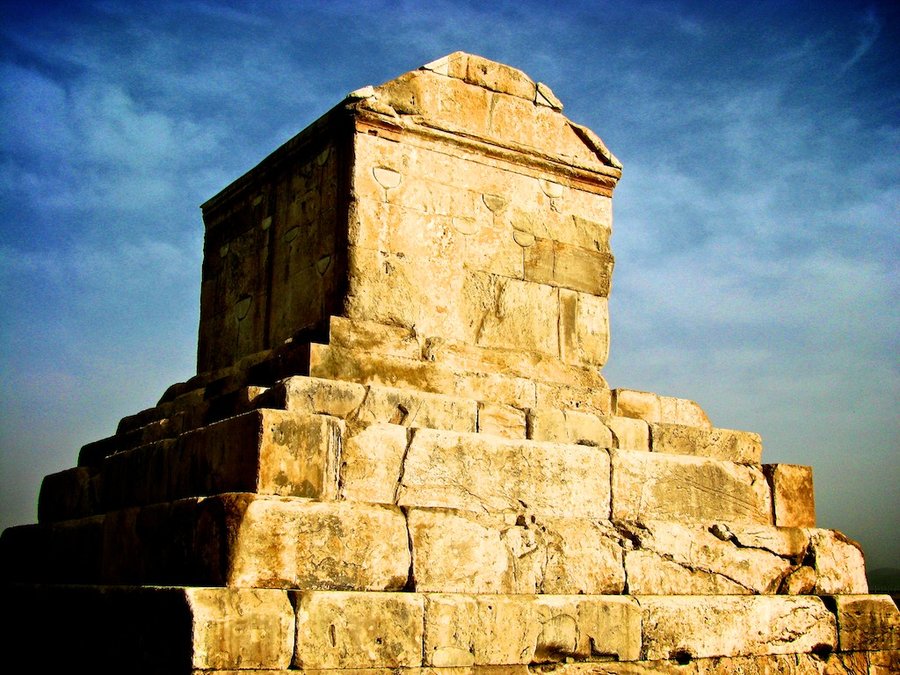
The most famous monument at Pasargadae is undoubtedly the Tomb of Cyrus the Great.
Standing on a six-tiered stone platform, the tomb consists of a simple gabled chamber constructed from enormous limestone blocks. Its restrained architectural style contrasts with the elaborate monuments built by later empires, reflecting dignity rather than extravagance.
For over 2,500 years, the structure has survived invasions, earthquakes, and changing political landscapes, making it one of the oldest standing monuments in the Middle East.
Many historians have admired its timeless simplicity, including Alexander the Great, who reportedly visited the tomb after conquering Persia and ordered it to be protected and restored.
Royal Palaces
The palace complex at Pasargadae reveals the sophistication of early Achaemenid architecture.
Several structures once formed an interconnected royal residence:
- Audience Hall
- Residential Palace
- Gatehouse
- Reception halls
- Administrative buildings
The palaces featured slender stone columns, finely carved reliefs, polished limestone floors, and spacious courtyards.
Decorative carvings combine artistic influences from Mesopotamia, Anatolia, Egypt, and Persia, illustrating the multicultural nature of the Achaemenid Empire.
The World's Earliest Royal Gardens
One of Pasargadae's greatest achievements was its carefully planned garden system.
Archaeological excavations have uncovered a sophisticated network of stone water channels arranged in geometric patterns. These gardens are widely regarded as among the earliest examples of the Persian Pairidaeza—the enclosed royal gardens that later inspired the word "paradise."
Flowing water, carefully planted trees, flowers, and shaded walkways transformed the dry landscape into an oasis of beauty.
This concept later spread throughout Persia and eventually influenced Islamic gardens, Mughal gardens in India, and even European landscape design.
Architecture That Changed Empires
Pasargadae introduced several architectural ideas that became hallmarks of Achaemenid construction:
- Open-columned audience halls
- Monumental gateways
- Formal garden planning
- Carefully engineered water management
- Harmonious integration with natural landscapes
Many of these innovations reached their highest expression at Persepolis, which was built by later Achaemenid kings.
Religion and Symbolism
Although Pasargadae predates many of the monumental religious structures associated with later Persia, the city reflects spiritual ideas emphasizing order, justice, and harmony.
Many scholars associate Cyrus with policies of religious tolerance and respect for local traditions. His administration allowed conquered peoples considerable cultural freedom, contributing to the stability of the empire.
This legacy has made Cyrus a symbol of wise leadership across many cultures.
Rediscovery by Archaeologists
European travelers began documenting the ruins of Pasargadae during the 17th and 18th centuries, though identifying the site correctly took time.
Modern archaeological excavations have revealed:
- Palace foundations
- Intricate water channels
- Stone inscriptions
- Defensive structures
- Bridges
- Garden layouts
- Residential remains
These discoveries have transformed scholarly understanding of early imperial Persian architecture and urban planning.
UNESCO World Heritage Site
In 2004, UNESCO designated Pasargadae as a World Heritage Site.
The designation recognizes the site's exceptional importance as:
- The first dynastic capital of the Achaemenid Empire
- An outstanding example of early Persian architecture
- The resting place of Cyrus the Great
- One of the earliest known examples of planned royal gardens
Conservation efforts continue to preserve the monuments for future generations.
Visiting Pasargadae Today
Visitors can spend several hours exploring the expansive archaeological landscape. Walking paths connect the principal monuments, allowing guests to appreciate the scale of the ancient capital.
The peaceful surroundings provide a striking contrast to the city's historic significance, offering an atmosphere of reflection amid one of humanity's earliest great imperial capitals.
Spring and autumn are generally considered the most comfortable seasons to visit, when the weather is mild and the surrounding plains are especially beautiful.
Why Pasargadae Still Matters
Pasargadae is not merely a collection of ancient stones—it represents the beginning of an empire that reshaped the ancient world. Its architecture influenced generations of builders, its gardens inspired landscapes across continents, and its founder became remembered for leadership, tolerance, and statecraft.
For historians, archaeologists, and travelers alike, Pasargadae offers a remarkable window into the origins of one of history's most influential civilizations. Standing before the Tomb of Cyrus or wandering among the palace ruins, visitors encounter not only the remnants of an ancient city but also the enduring legacy of an empire whose cultural achievements continue to inspire the modern world.
Page Term Reference
Comments