
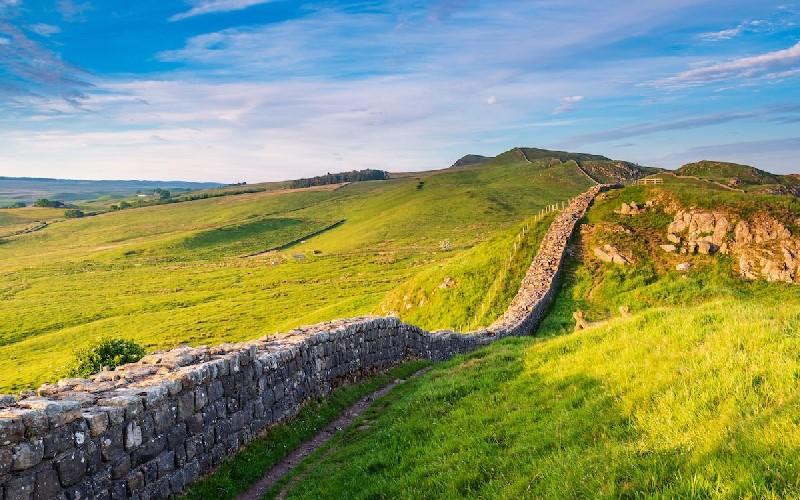
Also known as the Great Wall of Gorgan (Persian: Divār-e Bozorg-e Gorgān), is one of the most remarkable military engineering achievements of ancient Iran and one of the longest defensive walls ever built. Located in the northeastern region of present-day Iran, near the ancient land of Gorgan in Golestan Province, it stretches for approximately 195–200 kilometers from the Caspian Sea in the west toward the mountains of the east.
Built during the Sasanian Empire (224–651 CE), most scholars date its construction to the 5th or early 6th century CE, probably during the reign of powerful Sasanian rulers such as Kavadh I or Khosrow I. The wall was created as a massive defensive barrier against invasions from the northern steppe, particularly incursions by nomadic groups such as the Hephthalites and other Central Asian peoples.
Unlike many ancient walls that served mainly symbolic purposes, the Great Wall of Gorgan was a highly organized military system. It consisted of a wide brick wall, numerous fortified towers, military camps, and a large defensive canal running alongside it. Archaeological evidence suggests that tens of thousands of workers and soldiers may have been involved in its construction. The wall was built primarily from locally produced red bricks, giving it the poetic modern nickname “The Red Snake” because of its long, winding appearance across the landscape.
At regular intervals along the wall stood hundreds of defensive towers, allowing Sasanian forces to monitor movement across the northern frontier and rapidly respond to attacks. The associated canal system likely served multiple purposes: providing water for brick production, supporting the stationed troops, and creating an additional obstacle for invading armies.
The Great Wall of Gorgan demonstrates the sophistication of Sasanian military planning, state organization, and architectural skill. At a time when the Roman Empire and later the Byzantine Empire struggled with their own frontiers, the Sasanians created one of the largest and most complex border defense systems of the ancient world.
For centuries, the wall remained an important symbol of Iran’s northern frontier. Although much of it has been eroded by time, agriculture, and modern development, significant sections still survive, offering valuable insight into the power and engineering capabilities of the Sasanian Empire. Today, the Great Wall of Gorgan is regarded as one of Iran’s most important archaeological treasures and a lasting monument to the strategic vision of ancient Persia.
Page Term Reference
Comments