

It examines how emerging technologies and online platforms influence societal norms, creative expression, communication, and economic systems. As innovations such as artificial intelligence (AI), virtual reality (VR), blockchain, and immersive digital platforms evolve, they reshape how people interact, consume media, work, and participate in global culture.
Digital culture is no longer a niche phenomenon—it is central to modern life, affecting everything from entertainment and commerce to identity and community formation.
- Understanding the latest digital trends (e.g., VR, AI, gaming, NFTs)
- How technology is shaping modern culture (e.g., digital entertainment, media consumption)
- The influence of digital culture on society, values, and behavior
- The rise of the “creator economy” and what it means for individuals
- Preparing for the future of digital culture (the metaverse, Web3, etc.)
Overview
The rapid pace of technological innovation has produced continuous waves of digital transformation. New tools and platforms alter how individuals communicate, create, and collaborate. These shifts influence language, trends, political discourse, business models, and even personal identity.
From streaming services to virtual worlds, digital environments increasingly serve as primary spaces for cultural exchange and social interaction.
Understanding the Latest Digital Trends
Emerging technologies are redefining how users experience and interact with digital environments.
Artificial Intelligence (AI)
AI has become integrated into everyday applications, from recommendation algorithms to generative content systems. Companies such as OpenAI and Google are developing AI tools that assist with writing, design, coding, and research. AI also powers voice assistants, predictive analytics, and automated decision-making systems.
Virtual Reality (VR) and Augmented Reality (AR)
VR and AR technologies create immersive digital experiences used in gaming, education, training, and remote collaboration. Devices such as the Meta Quest and the Apple Vision Pro demonstrate the push toward spatial computing and immersive digital interaction.
Gaming and Interactive Media
Gaming has evolved into a dominant cultural and economic force. Platforms like Epic Games (creator of Fortnite) and Valve Corporation (developer of Steam) support massive global communities. Online multiplayer games function not only as entertainment but also as social spaces.
NFTs and Blockchain
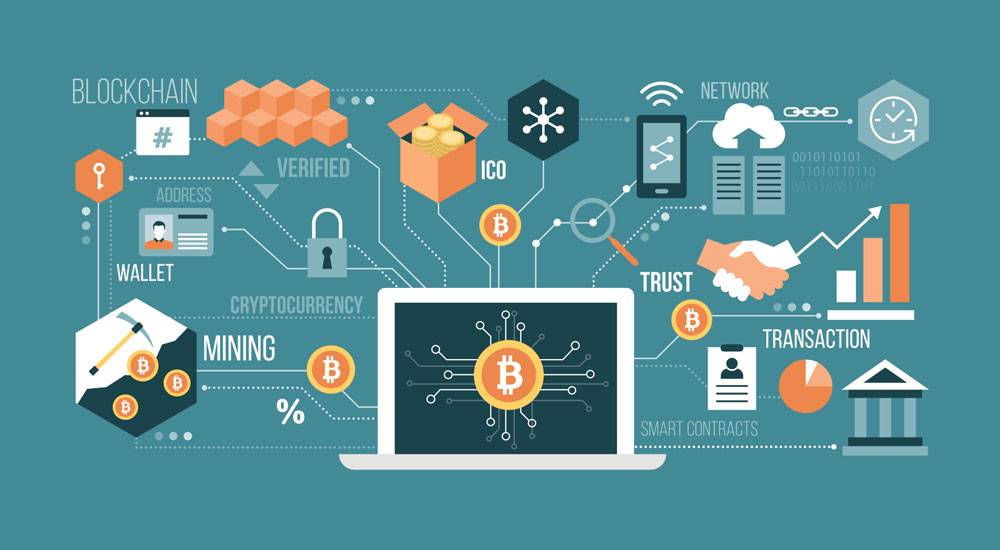
Non-fungible tokens (NFTs) and blockchain technologies introduced new models of digital ownership. While speculative hype has fluctuated, NFTs sparked broader discussions about digital scarcity, creator compensation, and decentralized systems.
How Technology Is Shaping Modern Culture
Technology significantly influences how culture is created, distributed, and consumed.
Digital Entertainment
Streaming platforms such as Netflix and Spotify have transformed media consumption by shifting audiences from scheduled broadcasts to on-demand access. Algorithm-driven recommendations personalize entertainment experiences, influencing what content gains visibility.
Social Media and Virality
Platforms like TikTok and Instagram shape global trends through short-form content and viral challenges. Memes, digital aesthetics, and influencer culture spread rapidly across borders, accelerating cultural exchange.
Media Fragmentation
Traditional media gatekeepers have less control as individuals increasingly access content from independent creators, podcasts, and niche communities. This decentralization has diversified perspectives but also contributed to information overload and fragmented audiences.
The Influence of Digital Culture on Society, Values, and Behavior
Digital culture impacts identity formation, communication norms, and societal values.
Identity and Self-Expression
Online platforms allow individuals to curate digital identities through profiles, avatars, and content creation. This can empower self-expression but may also contribute to comparison culture and performance-driven social behavior.
Communication Norms
Emojis, memes, hashtags, and short-form videos have created new communication languages. Digital interactions often prioritize brevity, visual storytelling, and immediacy.
Social Movements and Collective Action
Digital platforms facilitate activism and global awareness campaigns. Hashtag movements and viral campaigns can mobilize millions, demonstrating the power of digital networks in shaping public discourse.
The Rise of the Creator Economy
The creator economy refers to a digital ecosystem where individuals monetize content, skills, and audiences directly through online platforms.
Platforms Empowering Creators
Platforms such as YouTube, Patreon, and Substack enable creators to generate income through advertising, subscriptions, sponsorships, and direct fan support.
Implications for Individuals
- Greater independence and entrepreneurial opportunities
- Direct audience engagement without traditional intermediaries
- Increased competition and platform dependency
- Pressure to maintain visibility and engagement
The creator economy reflects a broader shift toward personal branding and digital entrepreneurship.
Preparing for the Future of Digital Culture
As technology continues to evolve, new paradigms are emerging that may further transform digital life.
The Metaverse
The concept of the metaverse envisions interconnected virtual environments where users socialize, work, and transact digitally. Companies such as Meta Platforms are investing heavily in immersive social platforms that blend virtual reality, digital commerce, and social networking.
Web3 and Decentralization
Web3 proposes a decentralized internet built on blockchain technology, aiming to give users more control over their data and digital assets. Advocates argue that decentralization could reduce reliance on centralized platforms and increase transparency.
AI-Integrated Society
AI is expected to play a growing role in creative industries, healthcare, education, and governance. Ethical considerations—including data protection, automation impacts, and algorithmic bias—will shape how societies integrate AI responsibly.
In conclusion digital trends and cultural shifts illustrate the profound influence of technology on modern society. From immersive virtual environments to the rise of independent creators, digital innovation continuously reshapes how individuals interact, express themselves, and participate in economic systems.
Understanding these trends enables individuals and organizations to adapt thoughtfully, embrace opportunities, and prepare for a future where digital and physical realities are increasingly interconnected.
Tech-Savvy Socializing & Communication UP Digital Entertainment & Lifestyle