

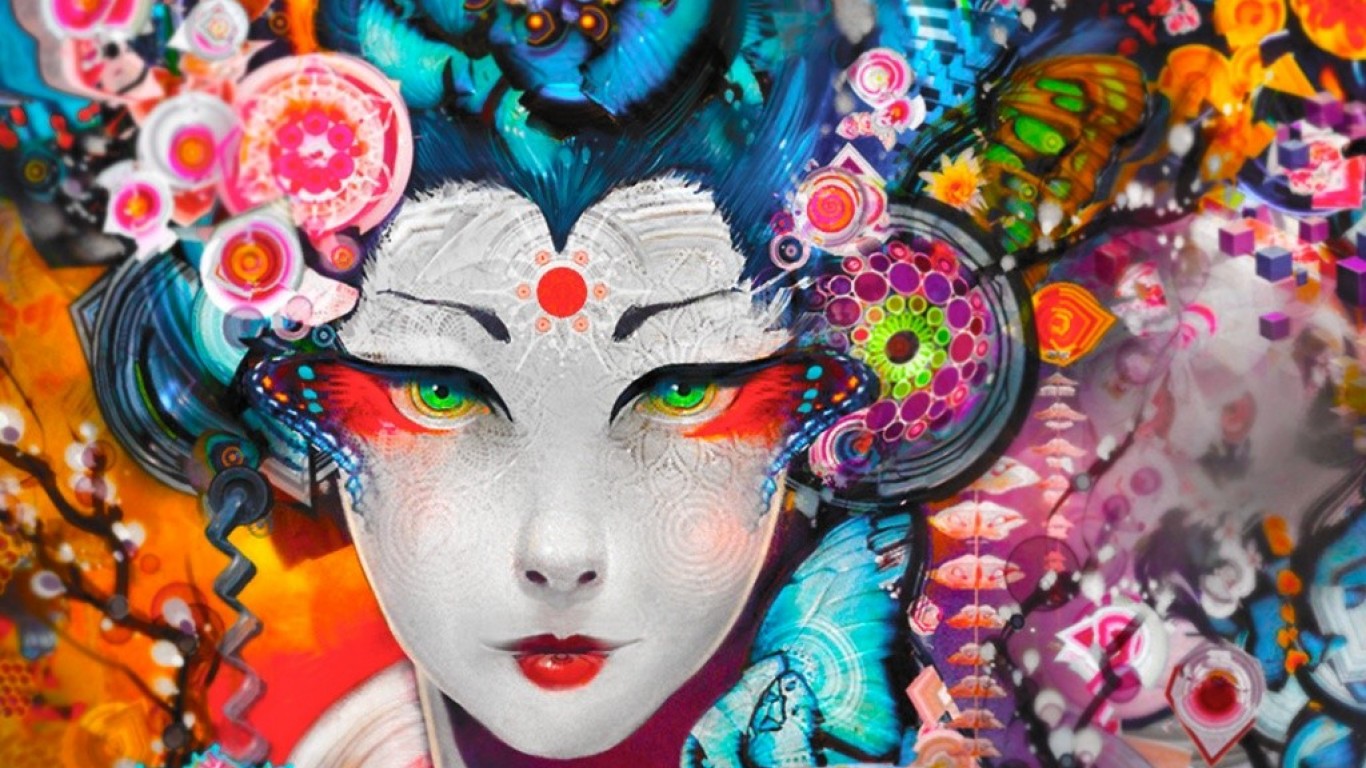
The ways individuals use digital technologies to consume media, pursue hobbies, express creativity, and shape their daily routines. With the expansion of streaming platforms, gaming ecosystems, creative software, and online communities, digital tools have become central to modern leisure and self-expression.
This topic explores how people curate entertainment experiences, discover meaningful content, and use digital platforms to enhance creativity and personal interests in an increasingly connected world.
- Curating your digital entertainment experience (movies, TV shows, music, gaming)
- Streaming platforms, podcasts, and online content discovery
- Using digital tools for hobbies and personal interests (photography, design, writing)
- Digital tools for personal creativity (art apps, music production, writing platforms)
- Finding and consuming meaningful content in a sea of digital noise
Overview
Digital entertainment has shifted from passive consumption to interactive, personalized experiences. Algorithms recommend movies and music, gaming platforms create immersive social spaces, and creative tools empower individuals to produce their own content.
However, with the abundance of available media, users must intentionally curate their digital experiences to avoid overload and ensure that their digital lifestyle aligns with their interests and values.
Curating Your Digital Entertainment Experience
Modern platforms allow users to personalize how they consume entertainment.
Movies and TV Shows
Streaming services such as Netflix, Disney+, and Amazon Prime Video provide on-demand access to vast libraries of films and television series. Personalized recommendations and watchlists help users tailor viewing experiences.
Curation strategies include:
- Creating themed watchlists
- Following trusted reviewers or curators
- Exploring international or independent cinema
- Setting intentional viewing limits
Music and Audio
Music streaming platforms like Spotify and Apple Music offer curated playlists, algorithm-driven mixes, and mood-based listening options. Users can create custom playlists for productivity, relaxation, or workouts.
Gaming
Gaming platforms such as Steam and Epic Games provide access to diverse game genres. Gaming has evolved into both entertainment and social interaction, with multiplayer environments and live-streamed gameplay enhancing community engagement.
Streaming Platforms, Podcasts, and Online Content Discovery
Content discovery plays a central role in shaping digital lifestyle habits.
Podcasts and Audio Content
Podcast platforms such as Spotify and Apple Podcasts allow users to explore educational, storytelling, and entertainment content. Podcasts provide on-demand access to discussions on topics ranging from business and science to wellness and culture.
Video Content and Creators
Video-sharing platforms like YouTube and Twitch enable creators to publish tutorials, commentary, entertainment, and live broadcasts. Algorithms help surface trending or personalized content, though they can also create echo chambers.
Content Discovery Tools
- Recommendation algorithms
- Curated newsletters
- Social media sharing
- Community forums and reviews
Intentional discovery—rather than passive scrolling—can improve content quality and relevance.
Using Digital Tools for Hobbies and Personal Interests
Digital platforms support a wide range of hobbies and personal pursuits.
Photography and Visual Arts
Apps like Adobe Lightroom and Canva enable users to edit photos, design graphics, and create visual content without advanced technical training.
Writing and Publishing
Platforms such as Substack and Medium allow writers to publish essays, stories, and newsletters. Digital writing communities provide feedback and collaboration opportunities.
Learning-Based Hobbies
Online tutorials, webinars, and creative communities make it easier to learn skills such as coding, digital illustration, music production, and DIY crafts.
Digital Tools for Personal Creativity
Technology has lowered barriers to creative expression.
Art and Design Apps
Tablet-based apps like Procreate and Adobe Photoshop enable artists to create professional-level artwork digitally.
Music Production
Digital audio workstations (DAWs) such as GarageBand and Ableton Live allow musicians to compose, record, and produce music from home studios.
Writing and Productivity Platforms
Tools like Notion and Scrivener support structured writing projects, research organization, and creative planning.
Digital creativity tools empower individuals to transition from consumers to creators, contributing to the broader digital ecosystem.
Finding and Consuming Meaningful Content in a Sea of Digital Noise
The abundance of digital content can lead to information overload. Developing intentional consumption habits is essential.
Strategies for Meaningful Consumption
- Define content goals (education, relaxation, inspiration)
- Limit passive scrolling time
- Follow diverse sources to avoid algorithmic bias
- Use bookmarking and read-later tools
- Schedule focused consumption periods
Digital Minimalism
Digital minimalism encourages users to prioritize high-value content while eliminating distractions. This may include unsubscribing from unnecessary channels, disabling non-essential notifications, and curating social media feeds.
Mindful Engagement
Rather than consuming content passively, users can:
- Reflect on what they watch or read
- Engage in discussions
- Apply learned insights
- Support creators who align with their values
In conclusion Digital Entertainment & Lifestyle reflects the integration of technology into leisure, creativity, and personal development. From streaming platforms and gaming communities to digital art tools and writing platforms, modern technology offers unprecedented opportunities for entertainment and self-expression.
By intentionally curating content, embracing creative tools, and practicing mindful consumption, individuals can transform digital entertainment from passive distraction into meaningful enrichment.
Digital Trends & Cultural Shifts UP Tech Tools for Sustainability & Conscious Living