


 |
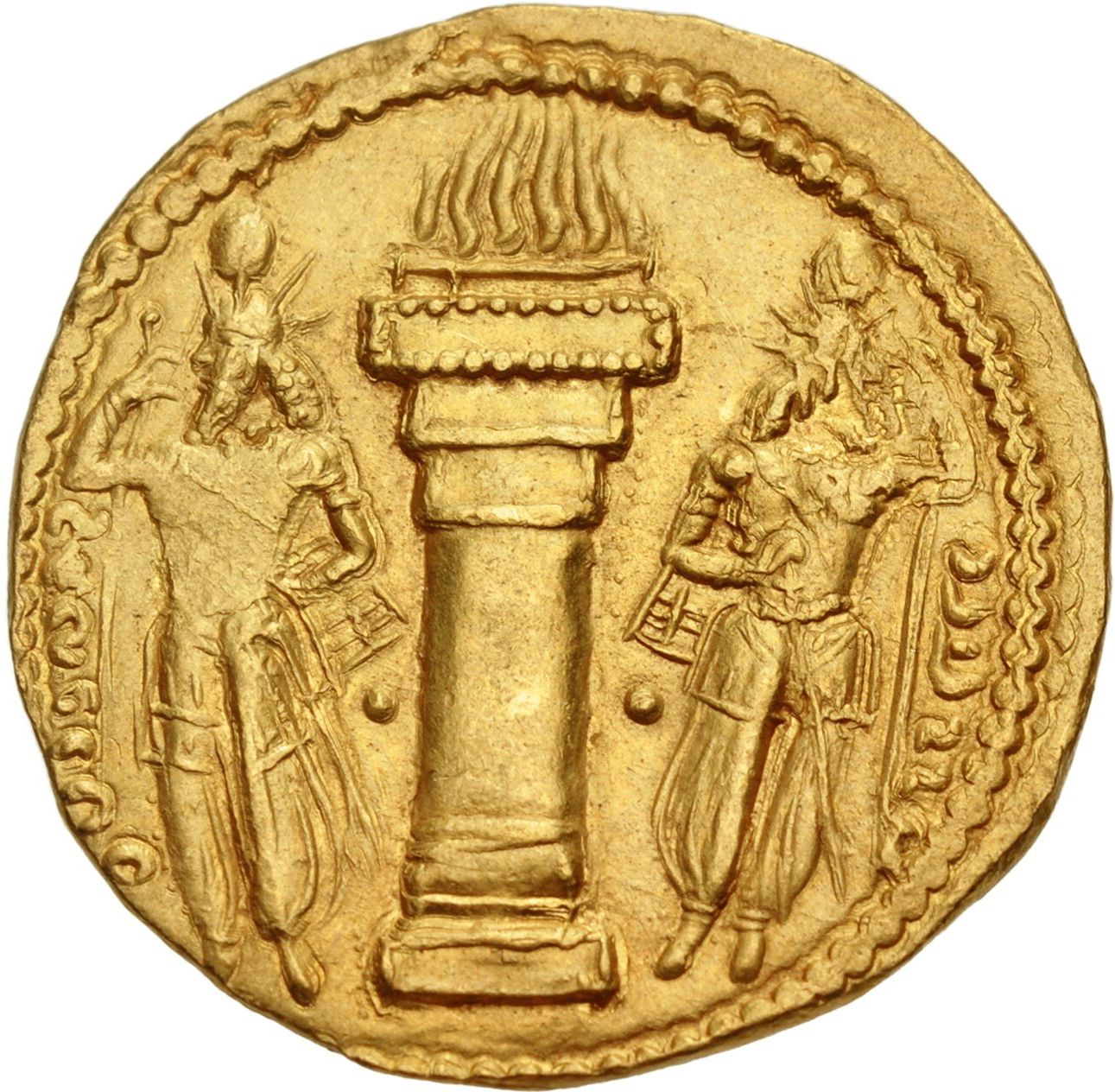 |
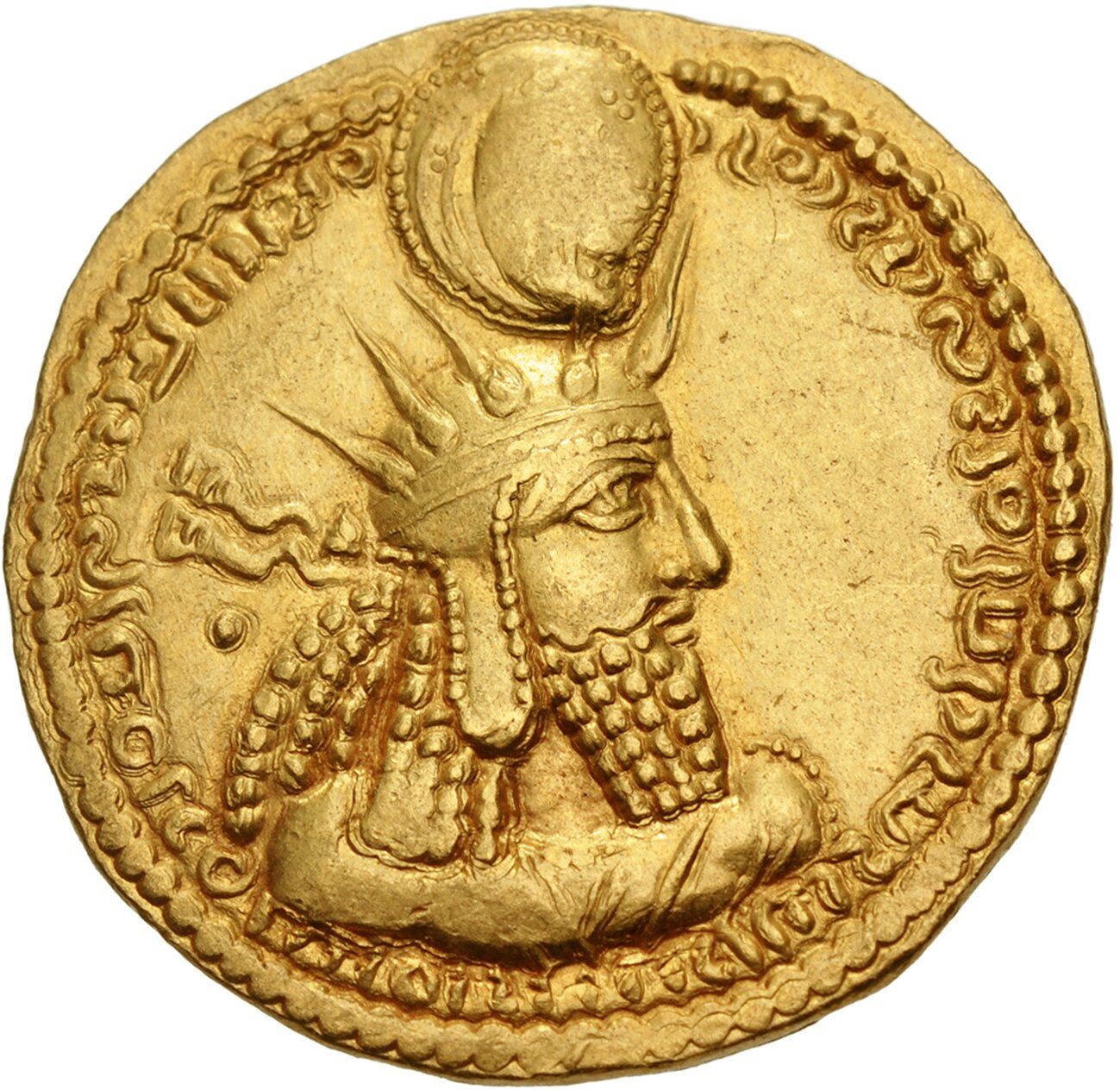
Dinar - Bahram I Style A/c - pellets
Azarbādegān, also written as Ādurbādagān (آذربادگان), Āturpātakān (آتورپاتکان), and Ādharbāyjān (آذربایجان), belongs to one of the most historically significant place-name traditions in the Iranian world. Its history connects the ancient Median and Persian political landscape, the Achaemenid period, the Parthian and Sasanian empires, and the emergence of the modern names Azerbaijan and Azarbaijan.
An important starting point is that Azerbaijan was the established historical name of a region in northwestern Iran long before the modern Republic of Azerbaijan adopted that name in 1918. However, the history of the name, the geographical boundaries of the ancient region, and the identities of the populations living on either side of the Aras (Araxes) River are related but distinct questions.
The origins of the name
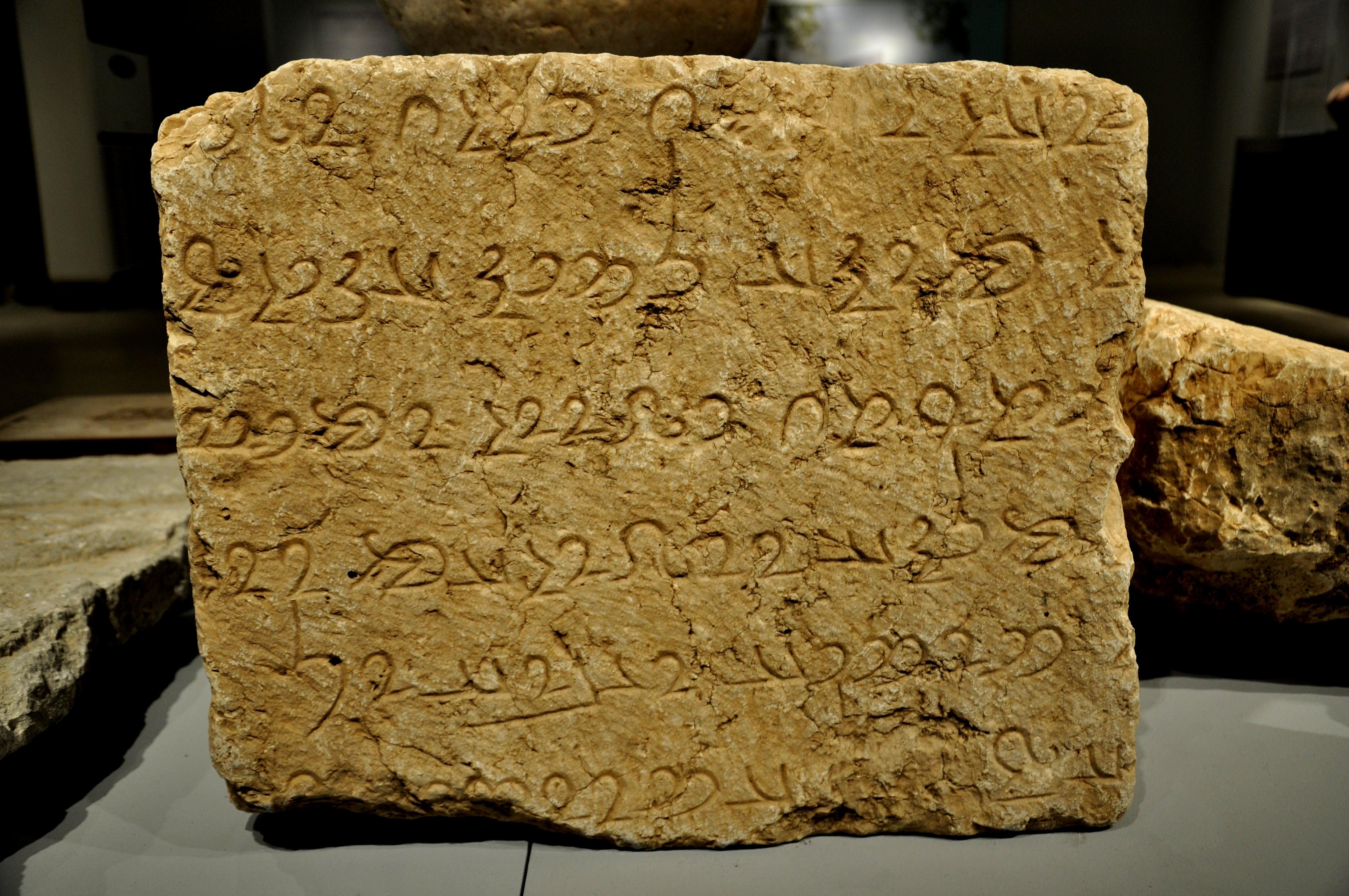
The name's best-established historical derivation goes back to Atropates, a Persian or Iranian governor associated with Media during the reign of Darius III and the campaigns of Alexander the Great in the fourth century BCE.
After Alexander's death in 323 BCE, Atropates retained control of the northwestern part of Media and established a principality that maintained considerable independence. Greek authors subsequently referred to this territory as Media Atropatene, or simply Atropatene.
The name evolved through successive Iranian forms:
| Historical period or language | Name |
| Ancient Greek sources | Atropatene |
| Old or early Iranian reconstruction | Ātṛpātakāna |
| Middle Persian | Āturpātakān |
| Later Middle Persian form | Ādurbādagān |
| New Persian | Āḏarbāyjān / Āzarbāyjān |
| Modern English | Azerbaijan / Azarbaijan |
The precise reconstruction of the earliest form depends on the linguistic source, but the historical connection between Atropates and the later name is well established in specialist scholarship.
What does the name mean?
The personal name Atropates is generally interpreted as meaning “protected by fire” or “having the protection of fire,” reflecting an ancient Iranian linguistic formation. This interpretation is associated with the Iranian word for fire and the element pāta, meaning protected.
The popular explanation that Azerbaijan means “the land of fire” reflects the region's long association with Iranian religious traditions and sacred fires. Nevertheless, the historical derivation of the place-name from Atropates is more firmly established than the alternative folk etymologies.
Azarbādegān in the Achaemenid and Atropatene periods
 |
 |
During the Achaemenid Empire (c. 550–330 BCE), the territory that later became known as Atropatene formed part of the wider Median political and geographical sphere. The precise administrative boundaries of this earlier period are not identical to those of the later kingdom.
Following Alexander's conquest of the Achaemenid Empire, Atropates established an independent or semi-independent principality in northwestern Media, probably around 323 BCE. This became known to Greek historians as Media Atropatene.
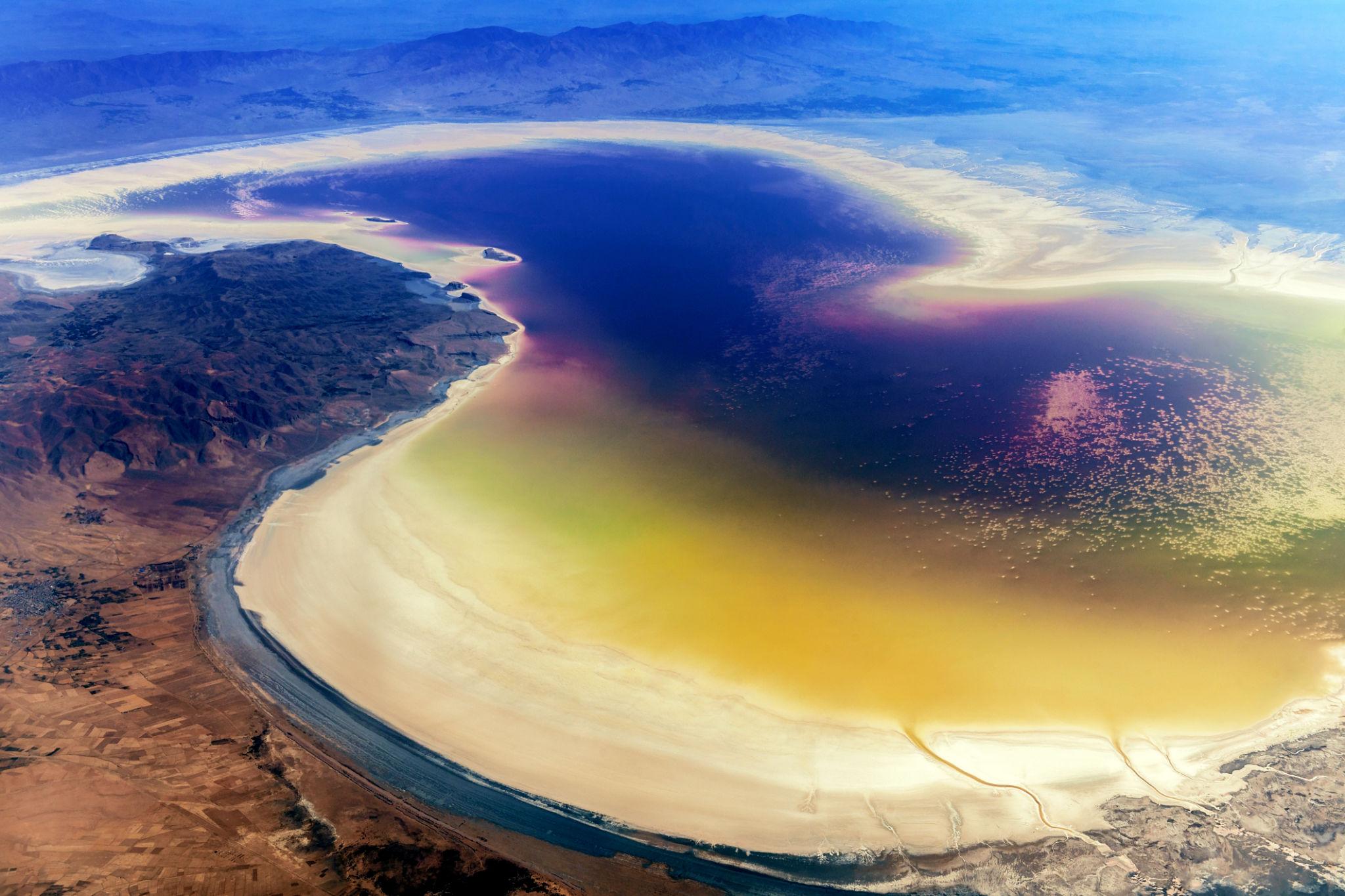
The kingdom was situated principally in what is now northwestern Iran, particularly the region around Lake Urmia. Its boundaries varied over time, and its political history involved relations with the Seleucid, Parthian, and eventually Sasanian empires.
Azarbādegān under the Parthians and Sasanians
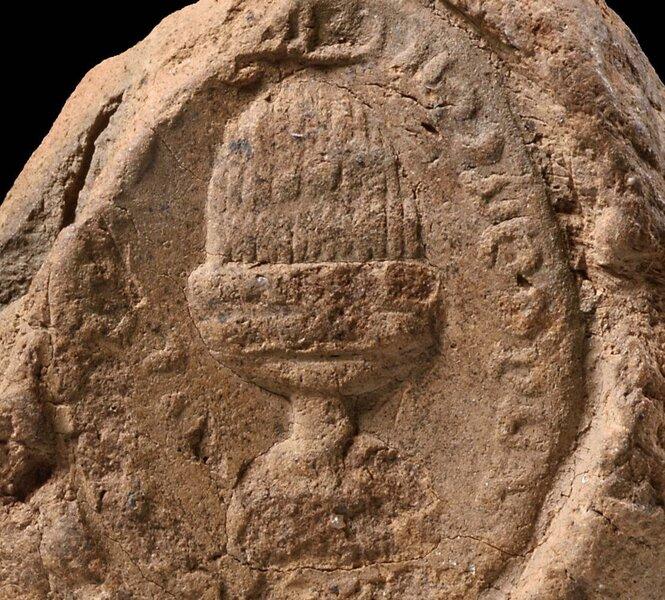
Azarbādegān retained a distinctive place in Iranian political and religious history during the Parthian and Sasanian periods.
Under the Sasanians (224–651 CE), the province was known in Middle Persian as Āturpātakān or a related form, Ādurbādagān. It was administered as part of the Iranian imperial system.
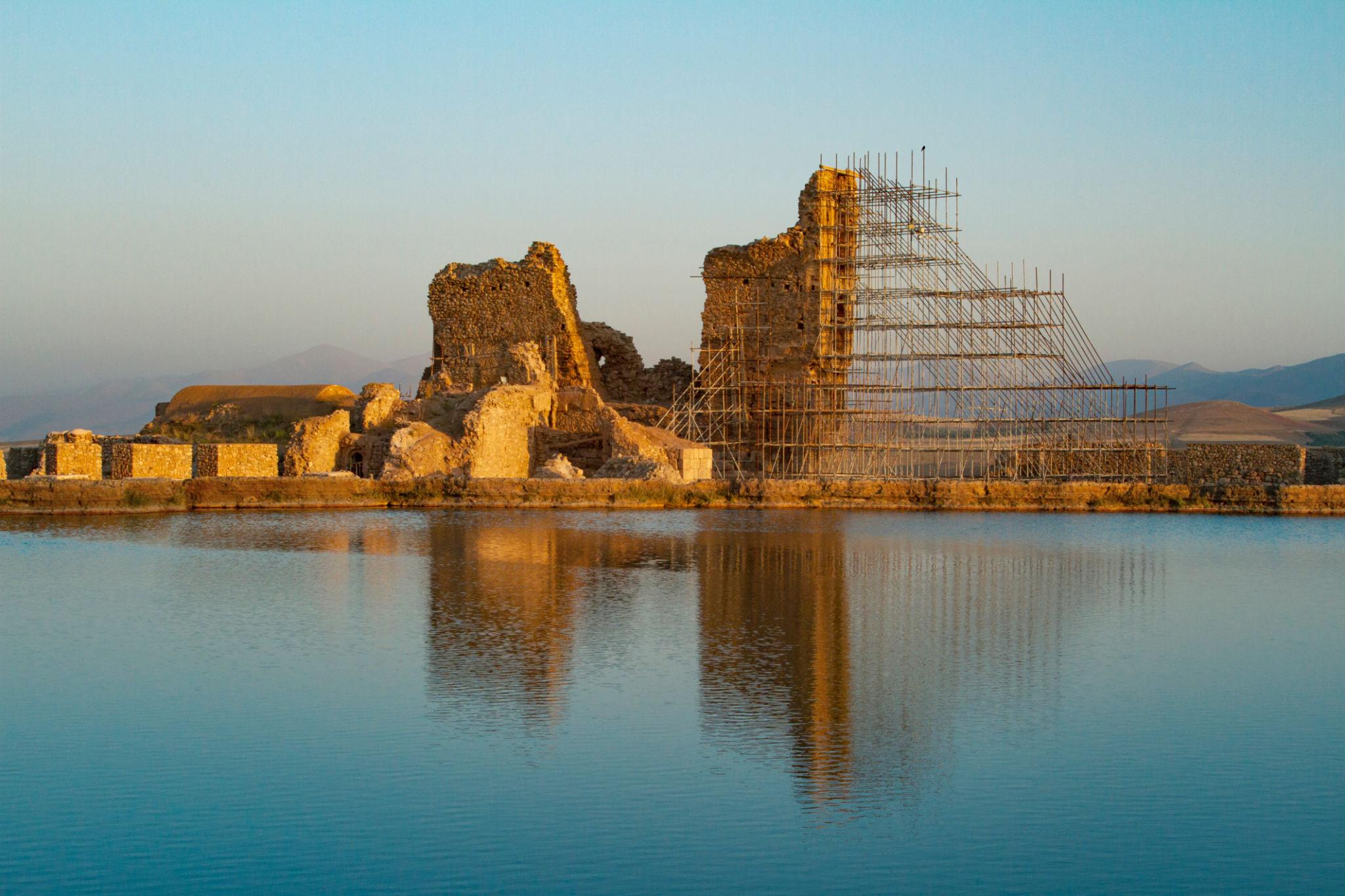
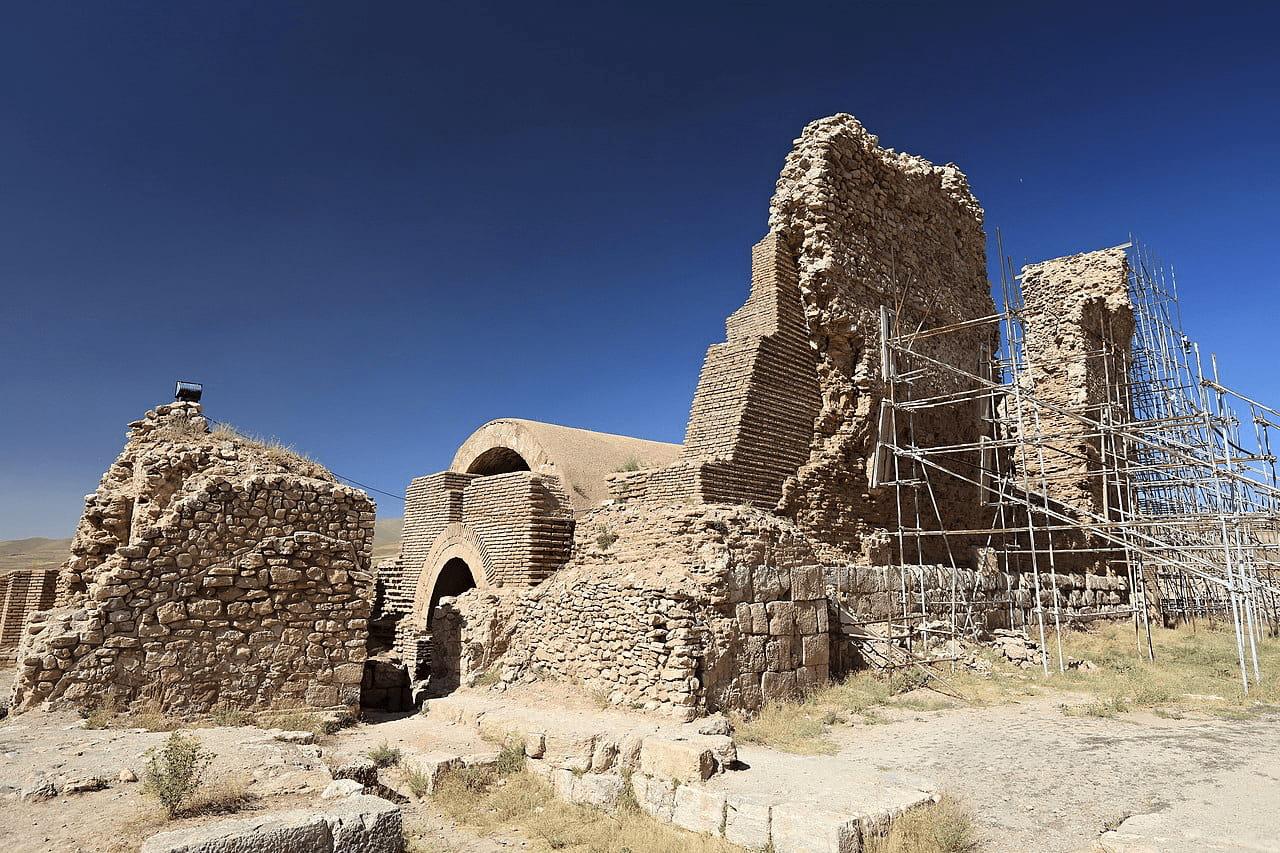
One of its most important religious centers was Ādur Gušnasp, one of the three great sacred fires of the Sasanian Empire. The sanctuary is associated with the archaeological site of Takht-e Soleyman in present-day West Azerbaijan Province, Iran.
The sanctuary was particularly associated with royal and aristocratic traditions. Its significance demonstrates the importance of the region in the religious and political life of pre-Islamic Iran.
This history also explains why the name Azarbādegān is frequently associated with fire and Zoroastrian heritage. However, the region's history was not exclusively religious: it was also a frontier territory, a center of political authority, and a corridor connecting the Iranian plateau with the Caucasus.
Where was historical Azarbādegān?
The geographical question requires a distinction between three related concepts.
 |
 |
A. Historical Atropatene
The ancient kingdom centered on northwestern Iran, particularly the mountainous territory east of Lake Urmia. Its boundaries changed throughout antiquity.
B. Iranian Azerbaijan
The historical region of northwestern Iran, associated with cities and areas such as Tabriz, Ardabil, and Urmia. Its historical and cultural boundaries do not correspond exactly to today's provincial borders.
C. The South Caucasus Azerbaijan
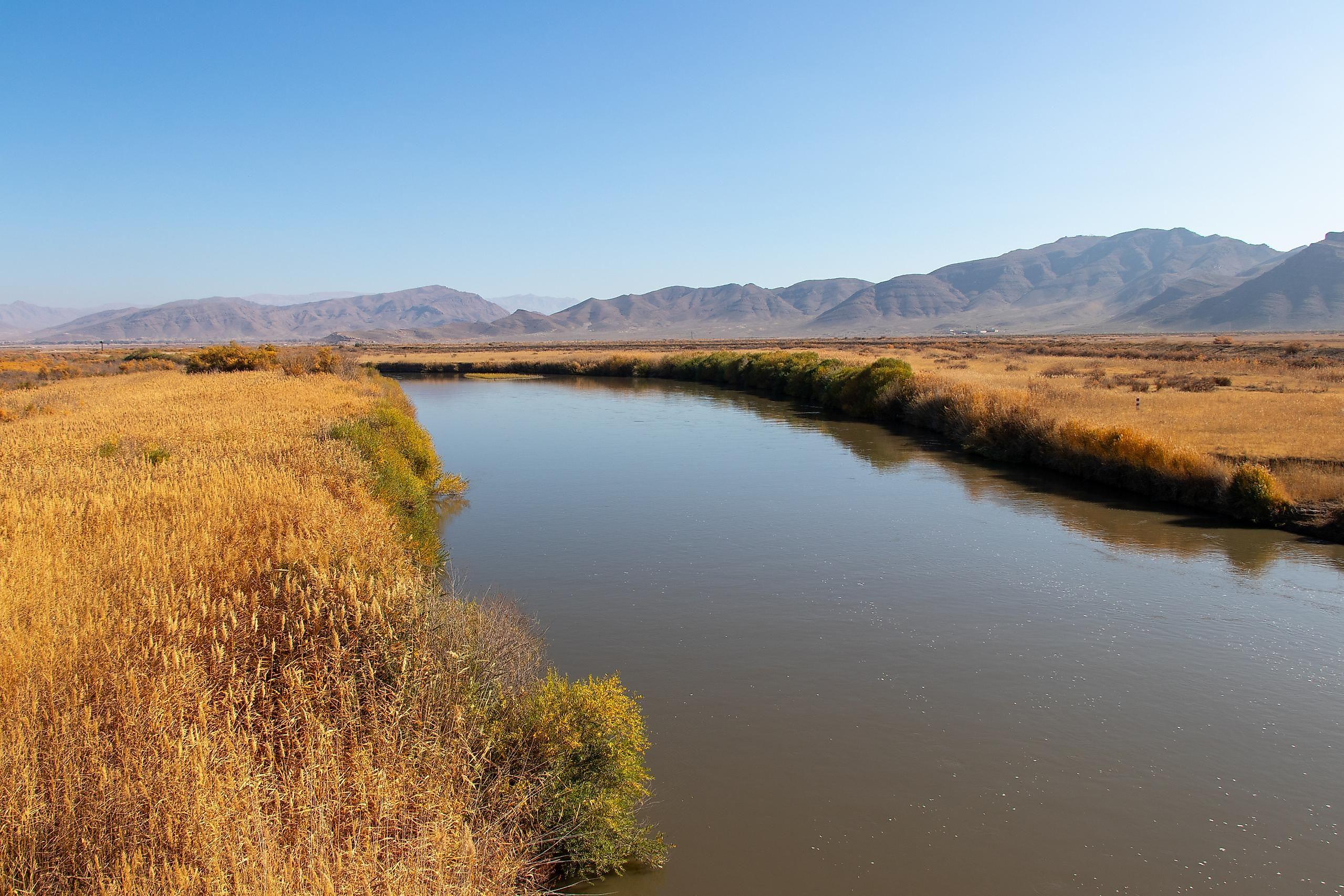
The lands north of the Aras River have their own ancient and medieval histories, including the history of Caucasian Albania (Albania in classical sources). adopted the name Azerbaijan in 1918
These territories have long been connected through trade, migration, political relations, and cultural exchange. Yet they were not always parts of the same political unit, and their names changed across historical periods.
Why did the Republic of Azerbaijan adopt the name in 1918?
This is one of the most discussed questions in the modern history of the region.
Before 1918, the name Azerbaijan was primarily associated internationally with the historical region of northwestern Iran. The lands that now form the Republic of Azerbaijan were historically described through names including Arrān, Shirvan, and, in ancient sources, Caucasian Albania—although these names refer to territories whose boundaries and meanings varied.
On 28 May 1918, the Azerbaijan Democratic Republic declared its independence and adopted the name Azerbaijan. The decision generated concern in Iran because of the established association between the name and Iranian Azerbaijan.
Encyclopaedia Iranica documents this naming history and notes that the new republic's territory included former khanates of the eastern South Caucasus.
It is important, however, to distinguish the historical fact of the name's adoption from interpretations of the political motives behind it. Historians have debated the national, political, and regional considerations involved. The name alone does not establish that the modern republic's territory was historically part of the ancient kingdom of Atropatene.
Was Azarbādegān originally an Iranian cultural region?
The answer requires distinguishing historical geography, language, and modern national identity.
-
Historical geography: Atropatene was an Iranian kingdom centered in the territory of modern northwestern Iran.
-
Language: The region had Iranian linguistic traditions before the widespread adoption of Turkic languages. The history of its older Iranian languages is a specialized field, and the exact characteristics of some of these languages remain debated.
-
Religion: Zoroastrianism played a major role in the region's pre-Islamic religious history, particularly under the Sasanians.
-
Cultural connections: The region was connected to both the Iranian plateau and the Caucasus. These connections changed over centuries.
-
Modern identity: The identities of present-day Iranian Azerbaijanis and citizens of the Republic of Azerbaijan have developed through different historical experiences, including Turkic linguistic and cultural developments, imperial transformations, and modern nationalism.
The evidence supports the importance of the region in Iranian history. It does not mean that every modern population in the wider region has an identical ethnic, linguistic, or national history.
Conclusion
Azarbādegān is more than an older spelling of Azerbaijan. It represents a historical name whose linguistic roots extend to the ancient Iranian world and whose political and cultural significance continued through the Parthian and Sasanian periods and into the Islamic era.
The central historical distinction is this: Atropatene was the ancient Iranian kingdom centered in what is now northwestern Iran, while the name Azerbaijan was adopted by the modern South Caucasian republic in 1918. Understanding the connection between these two histories requires attention to historical sources, changing territorial boundaries, and the evolution of place-names—not simply projecting modern borders or national identities onto antiquity.
Page Term Reference
Comments