
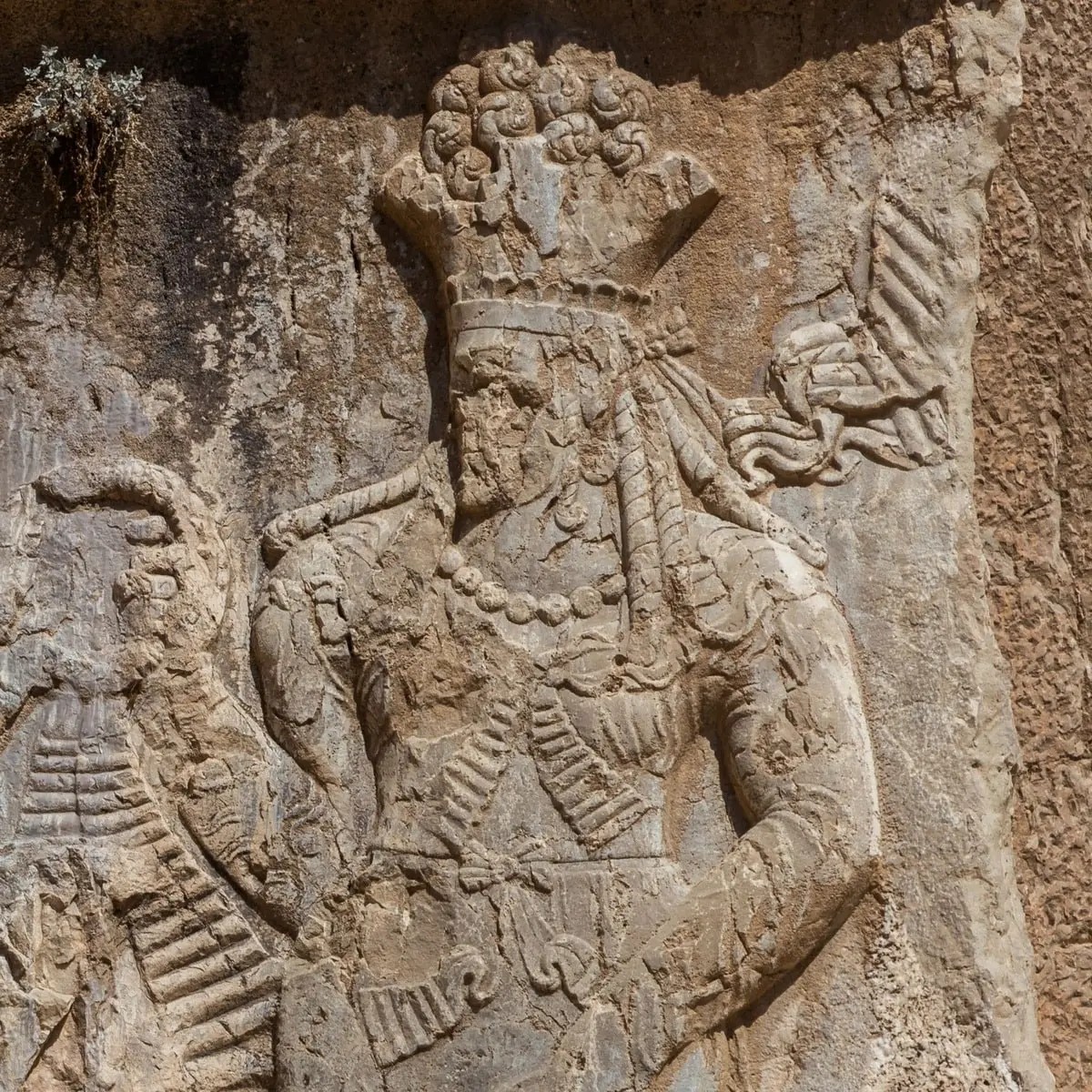
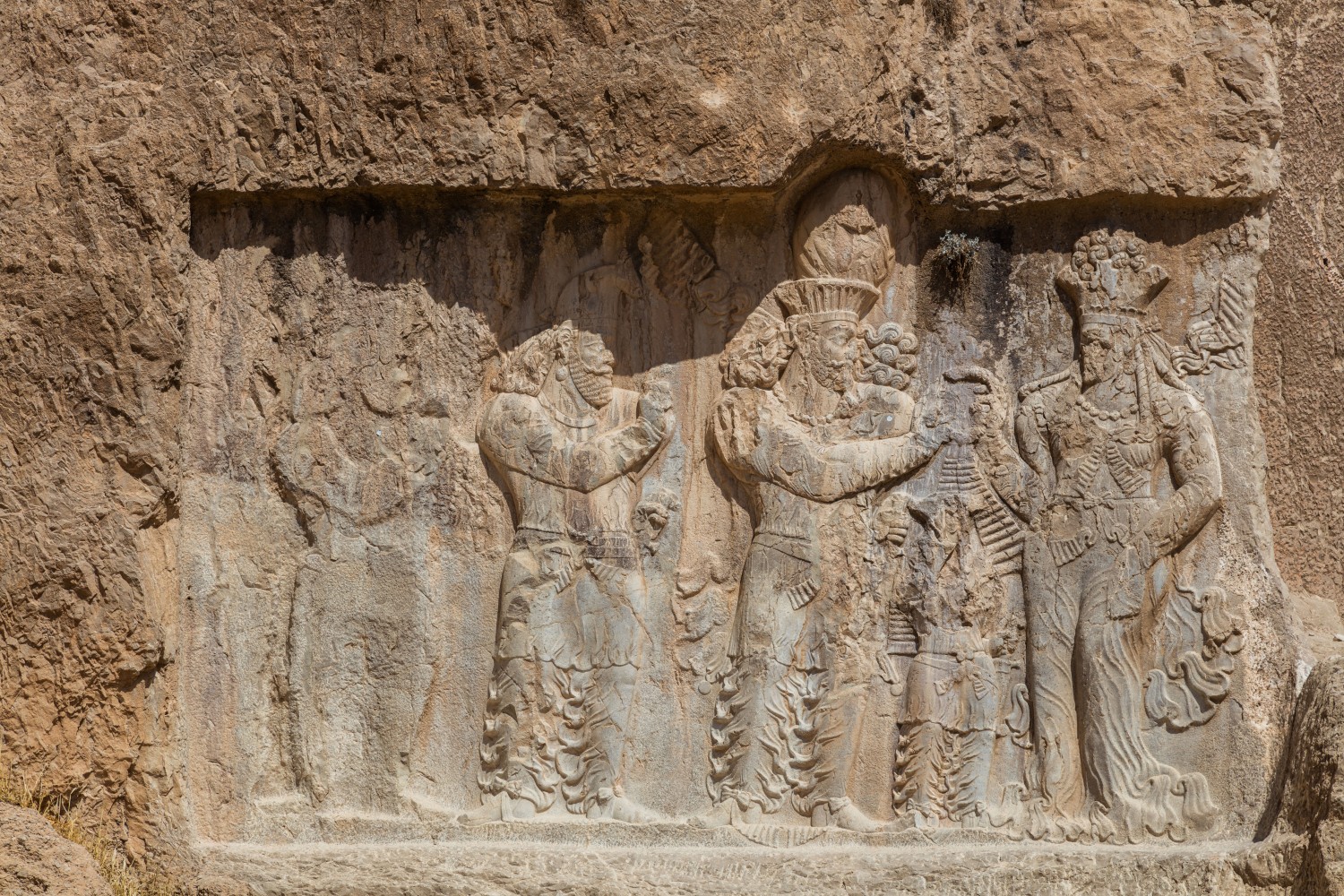
A bas-relief of the goddess Aredvi Sura Anahita, or the angel of water, at Naqsh-e Rustam, Iran.
Anahita appears in the Avesta as Anāhitā, meaning "pure, undefiled," and the adjective Aredvi Sura also means water or a mighty river. She is the size of all the flowing waters on this earth.
Haurvatat (/ˈhəʊrvətət/; Avestan: 𐬵𐬀𐬎𐬭𐬎𐬎𐬀𐬙𐬁𐬙, romanized: hauruuatāt) is the Avestan language word for the Zoroastrian concept of "wholeness" or "perfection." In post-Gathic Zoroastrianism, Haurvatat was the Amesha Spenta associated with water (cf. apo), prosperity, and health.
Etymologically, Avestan haurvatat derives from an Indo-Iranian root and is linguistically related to Vedic Sanskrit sarvatāt "intactness, perfection". The Indo-Iranian root has in turn Indo-European origins. In Common Era Zoroastrian tradition, Haurvatat appears as Middle Persian Hordad, continuing in New Persian as Khordad. The Iranian civil calendar of 1925, which adopted Zoroastrian calendar month names, has Khordad as the name of the 3rd month of the year.
The Avestan language noun haurvatat is grammatically feminine and in scripture the divinity Haurvatat is a female entity. However, in tradition (K)Hordad was/is considered male; this development is attributed to the loss of grammatical gender in Middle Persian. In Isis and Osiris 46, Plutarch translates Haurvatat as Πλοῦτος ploutos "wealth, riches" and equates the divinity with "Plutus," the Greek god of riches.
|
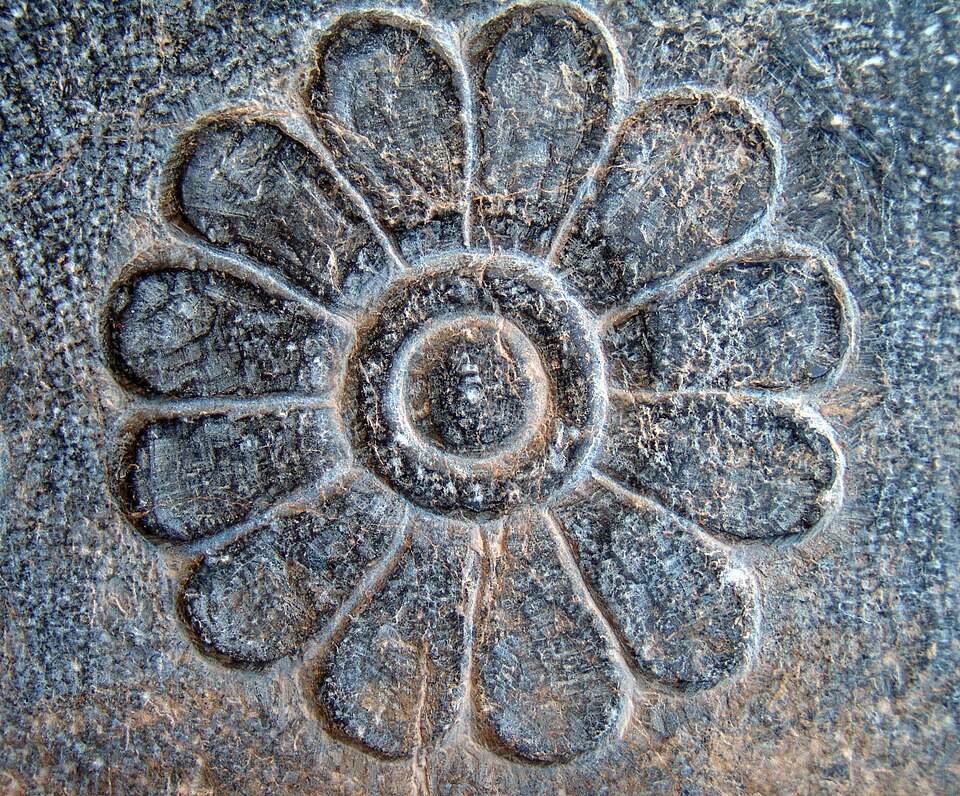
The Lotus flower / Lilium Chehel Cheragh is the symbol of goddess Anahita
|
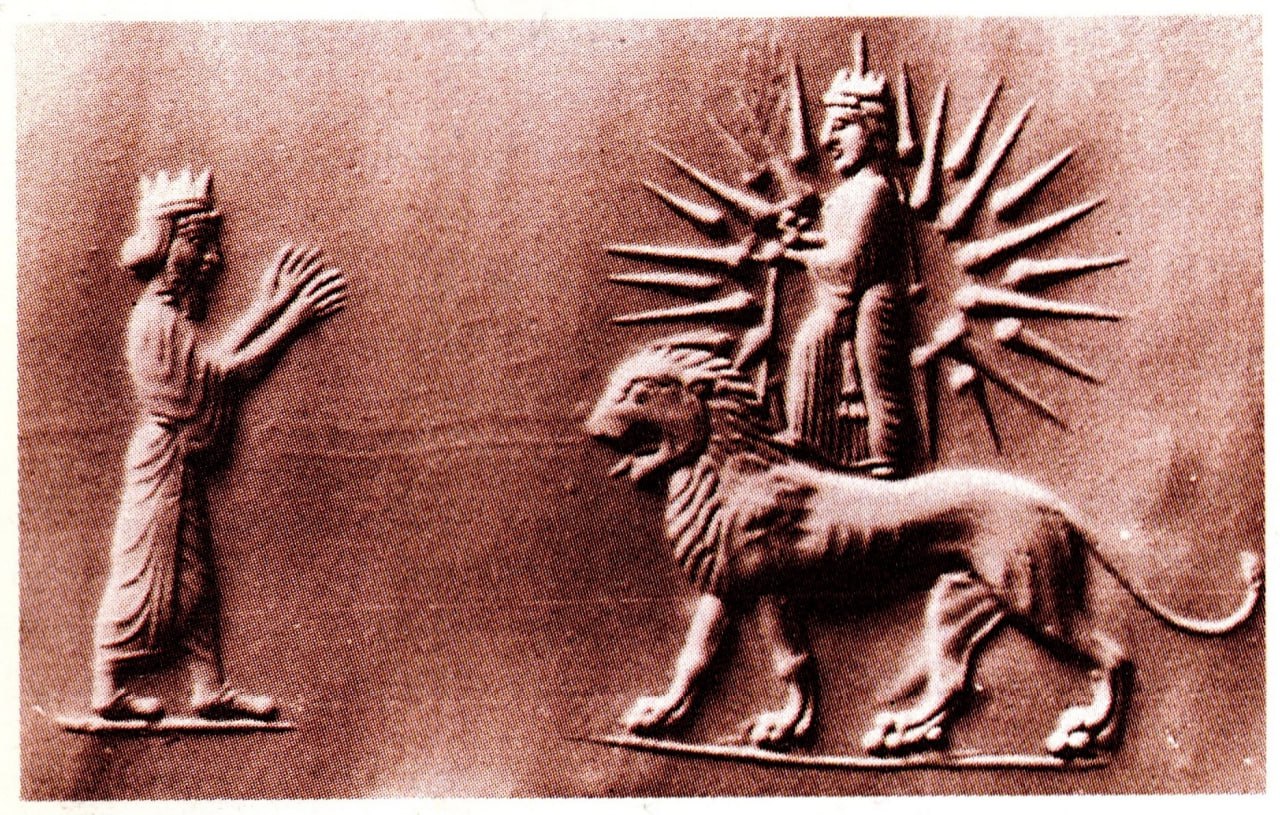
Seal of the Achaemenid period |
Page Term Reference
Comments