

Preface: The Voices of Our Ancestors Have Never Truly Fallen Silent
Sometimes, in the stillness of the night, in the midst of an unexplained anxiety, or within a pattern that refuses to leave us, we sense that something greater than our present life is stirring inside us.
It feels as though an ancient shadow, an old wound, or an unfinished story from our family's past is still breathing within us.
Many people call this ancestral karma—a poetic and mysterious expression suggesting that:
"Some of the burdens we carry are not ours alone; their roots reach back to years before we were born."
Perhaps there is truth in this.
Perhaps we are the continuation of the dreams, sorrows, joys, and fears that once shone in the eyes—or fell as tears—from our grandparents and generations before them.
This article tells that story: the story of the bonds between generations, the cycles that repeat themselves, and the path that leads from suffering toward light.
1. What Is Ancestral Karma?
Ancestral karma refers to the influence that the actions, choices, wounds, and unfinished experiences of previous generations may have on our lives today.
Sometimes we find ourselves carrying a burden that is not truly ours, yet has reached us through our family, lineage, community, or even the history of our homeland.
We may ask ourselves:
- Why do my relationships always end where my mother's once did?
- Why do I avoid pain the same way my father did?
- Why do I carry the same fears my grandmother lived with?
- Why do these patterns continue to repeat throughout our family?
Questions like these may suggest that the unfinished story of our family is still quietly calling to a part of our soul.
2. How Do These Cycles Develop?
These recurring emotional and behavioral patterns are often understood as unfolding through three interconnected pathways.
A. The Inheritance of Behaviors
Long before a child learns to speak, they absorb the fears, hopes, habits, and emotional atmosphere of the family.
When one generation has lived with prolonged grief, silence, fear, or anger, those emotional patterns can gradually be passed on to the next.
B. Family Stories—and the Stories Never Told
Long silences, hidden family secrets, unresolved grief, and words left forever unspoken often continue flowing through generations like an underground river.
Even when no one speaks of the past, its echoes may still shape the present.
C. The Memory of Body and Mind
Some experiences leave such deep emotional imprints that they influence how the body and mind respond to life.
Without realizing why, later generations may repeat similar reactions, emotional patterns, or coping mechanisms.
3. The Persian and Zoroastrian Perspective: Choosing Light Over Repetition
In the Persian and Zoroastrian worldview, the universe is founded upon Asha—the principle of truth, order, purity, and harmony.
According to this tradition, human beings can illuminate their destiny through Good Thoughts, Good Words, and Good Deeds.
Fire: A Symbol of Purity and Awakening
In Zoroastrianism, fire is sacred—not because it is worshipped, but because it serves as a living symbol of truth, clarity, and divine light.
Standing before the sacred fire reminds worshippers of a simple yet profound truth:
"The human heart should be as pure, bright, and honest as a flame."
Reciting prayers before the fire becomes an encounter with one's own inner light—a light capable of gently illuminating even the oldest shadows carried within a family.
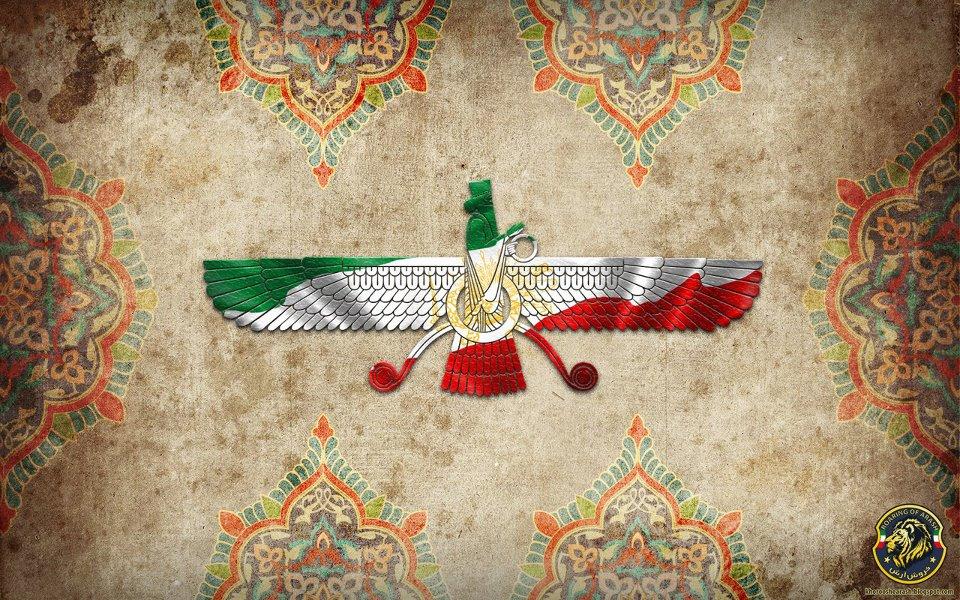
Fravashi: A Compassionate Connection with Our Ancestors
Within the Zoroastrian tradition, ancestors are honored with prayers, sacred fire, and fragrant incense.
This reflects a compassionate understanding:
- We come from the past, but we are not imprisoned by it.
- We honor our ancestors by recognizing their struggles with compassion rather than judgment.
- We receive their love while choosing not to continue carrying their suffering.
This perspective is remarkably gentle.
It inspires neither fear nor guilt.
Instead, it encourages a relationship with the past grounded in awareness, gratitude, and light.
4. How Can We Heal Ancestral Karma or Generational Wounds?
The path toward healing is less about magic than about reconciliation, awareness, compassion, and ethical living.
1. Awareness: The First Light
There comes a moment when someone says:
"This pattern no longer belongs to me."
That single realization can become the beginning of freedom.
2. Prayer and Spiritual Practice
Standing before the sacred fire, reciting the Atash Niyayesh (Prayer to Fire), or offering other Avestan prayers can reconnect the heart with light and help cultivate inner clarity and peace.
3. Acts of Kindness
Helping others, serving those in need, and practicing generosity have long been regarded in Zoroastrian culture as more than social virtues.
They are pathways toward healing the soul.
Every act of kindness becomes another small flame shining upon the wounds carried through generations.
4. Reconciliation with Family History
Listen to the stories of your ancestors.
Approach them with compassion rather than judgment.
The more deeply we understand the past, the less power its shadows hold over the present.
5. Forgiveness
Forgiveness means saying:
"I choose not to continue the cycle of suffering."
It is not denying injustice.
It is not erasing the truth.
It is releasing the knots that bind us to repeated pain.
6. Caring for Nature
Zoroastrians have long regarded the protection of the earth and creation as a sacred responsibility.
Caring for the natural world nurtures inner purity as well, reminding us that healing ourselves and healing the world are deeply connected.
5. How Have Some Families Broken These Cycles?
Many families who have found healing share similar experiences.
They have:
- Spoken openly about the past instead of hiding it.
- Faced painful truths rather than burying them.
- Encouraged meaningful conversations across generations.
- Chosen love instead of fear.
- Made kindness a lasting family tradition.
- And at some point, someone stood up and declared:
"The cycle ends here. From this moment forward, I choose light."
That person became a source of healing—not only for themselves, but for generations to come.
Conclusion: Returning to the Light
Although ancestral karma is not a formal scientific concept, it points toward a deeply human experience:
Our lives often unfold within the continuing story of those who came before us.
We may inherit dreams, strengths, fears, and wounds whose origins we do not fully understand.
Yet just as the past influences the present, the future begins with the choices we make today.
Through awareness, prayer, compassion, forgiveness, ethical action, and respect for those who came before us, we can gradually dissolve inherited shadows and release old cycles.
The flame of light has always been burning, All we need to do is turn toward it.
Page Term Reference
Comments