

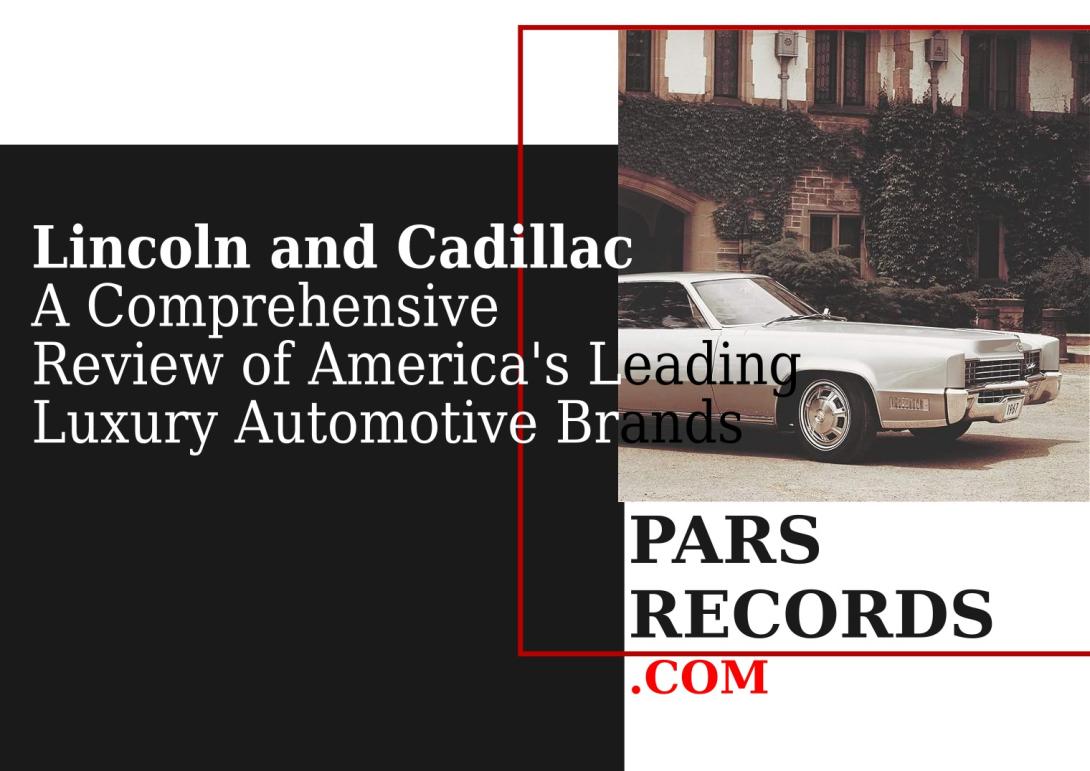
Lincoln: The Evolution of American Elegance
Introduction
Lincoln represents one of America's oldest and most respected luxury automobile manufacturers. Since its establishment in 1917, the company has consistently emphasized refinement, comfort, and sophisticated engineering. As the luxury division of Ford Motor Company, Lincoln has cultivated a reputation for producing vehicles that combine timeless design with modern technology while maintaining exceptional levels of comfort and reliability.
Unlike many luxury manufacturers that emphasize aggressive performance, Lincoln has traditionally focused on creating tranquil driving experiences characterized by quiet cabins, smooth ride quality, premium craftsmanship, and customer-centered luxury. This philosophy has allowed the brand to occupy a unique position within the competitive premium automotive market.
Historical Background
Lincoln was founded by Henry Martyn Leland, one of the pioneers of precision manufacturing in the American automobile industry. Following his departure from Cadillac, Leland established the Lincoln Motor Company during World War I to manufacture aircraft engines for the United States military. After the war, Lincoln transitioned into luxury automobile production.
Financial difficulties led to the acquisition of Lincoln by Ford Motor Company in 1922. Under Ford's leadership, Lincoln rapidly expanded into the luxury market and became one of America's most prestigious automotive brands. Throughout the twentieth century, Lincoln vehicles served as official transportation for numerous presidents, diplomats, and government officials, further strengthening the company's image of prestige and elegance.
Engineering Philosophy
Lincoln's engineering philosophy prioritizes comfort, refinement, and technological sophistication rather than outright performance. The company focuses on reducing cabin noise, minimizing vibration, and maximizing passenger comfort through advanced suspension systems, acoustic insulation, and intelligent vehicle architecture.
Modern Lincoln vehicles incorporate adaptive suspension technologies, intelligent all-wheel-drive systems, premium interior materials, and sophisticated driver assistance systems. These engineering priorities create a driving experience that emphasizes relaxation and luxury rather than aggressive dynamics.
Design Language
Lincoln's contemporary design philosophy embraces minimalist elegance. Large signature grilles, clean body lines, panoramic glass roofs, ambient lighting, and carefully crafted interiors create a distinctive aesthetic identity.
Interior design emphasizes premium leather upholstery, genuine wood trim, digital displays, ergonomic seating, and advanced infotainment systems. Every element is designed to create an atmosphere similar to that of a luxury lounge.
Technological Innovation
Lincoln has increasingly invested in advanced automotive technologies, including:
- Intelligent adaptive cruise control
- ActiveGlide hands-free highway driving technology
- Co-Pilot360 safety systems
- Digital instrument clusters
- Large touchscreen infotainment systems
- Hybrid powertrains
- Connected vehicle technologies
The company's Quiet Flight philosophy integrates technology with comfort to reduce driver fatigue and improve passenger well-being.
Product Portfolio
Lincoln currently focuses primarily on luxury SUVs, including:
- Navigator
- Aviator
- Nautilus
- Corsair
These vehicles combine spacious interiors, advanced connectivity, luxury materials, and efficient powertrains to meet evolving consumer preferences.
Market Position
Lincoln competes primarily within North America's premium SUV market while expanding internationally, particularly in China. Its principal competitors include Mercedes-Benz, BMW, Lexus, Audi, Genesis, Volvo, and Cadillac.
Rather than competing solely through performance specifications, Lincoln differentiates itself through customer experience, personalized ownership programs, quiet interiors, and refined ride quality.
Future Outlook
Lincoln's long-term strategy centers on electrification and digital mobility. The company is investing heavily in electric vehicle platforms, software integration, artificial intelligence, and connected mobility services. Sustainability initiatives, carbon reduction, and advanced battery technologies will likely shape Lincoln's future product development.
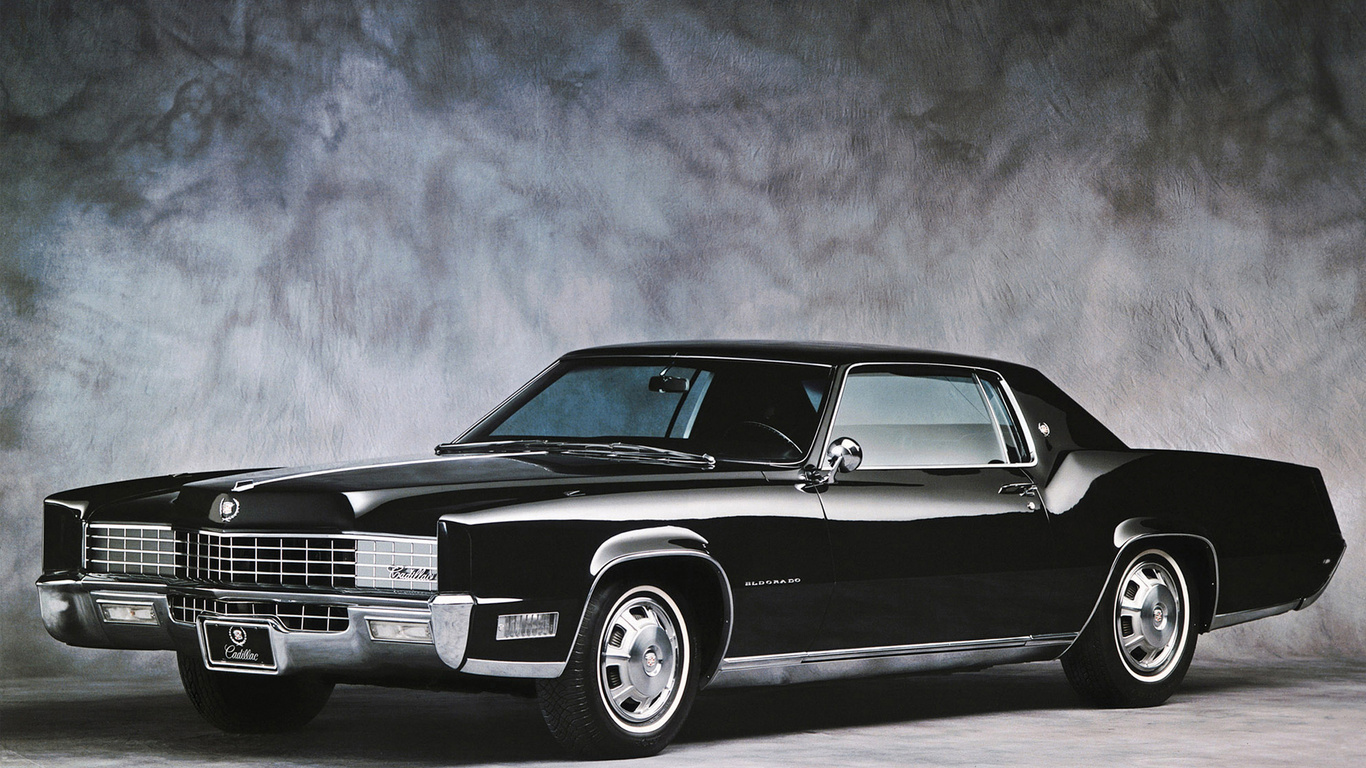
Cadillac: America's Standard of Luxury
Introduction
Cadillac is widely recognized as America's flagship luxury automobile manufacturer. Since its founding in 1902, Cadillac has pioneered numerous engineering innovations that transformed the global automotive industry. The company's long-standing commitment to precision engineering, technological leadership, and premium craftsmanship earned it the historic reputation as "The Standard of the World."
Today, Cadillac continues to evolve through electrification, autonomous driving technologies, and high-performance luxury vehicles while preserving its rich heritage.
Historical Development
Cadillac was established by Henry Leland following the dissolution of the Henry Ford Company. Named after the French explorer Antoine de la Mothe Cadillac, founder of Detroit, the company quickly became synonymous with manufacturing precision.
Cadillac introduced interchangeable precision parts that significantly improved production quality and reliability. Numerous innovations—including the electric starter, synchronized manual transmissions, and advanced V8 engines—helped establish Cadillac as an international leader in automotive engineering.
Following its acquisition by General Motors in 1909, Cadillac became the corporation's luxury flagship and expanded globally.
Engineering Excellence
Cadillac has historically emphasized engineering leadership through continuous technological advancement.
Major engineering achievements include:
- Precision manufacturing
- Early electric starting systems
- Automatic transmissions
- Advanced V-Series performance engines
- Magnetic Ride Control suspension
- Super Cruise hands-free driving
- Ultium electric vehicle architecture
These innovations have frequently influenced broader automotive industry standards.
Design Philosophy
Cadillac's design language emphasizes bold styling, sharp geometric lines, vertical lighting elements, large grilles, and commanding proportions.
Its interiors combine handcrafted leather, natural wood, aluminum accents, OLED displays, advanced ambient lighting, and sophisticated digital interfaces. Modern Cadillac cabins balance luxury with technological sophistication.
Innovation and Digital Technology
Cadillac has aggressively embraced next-generation automotive technologies.
Current innovations include:
- Super Cruise autonomous driving assistance
- Curved OLED digital displays
- Over-the-air software updates
- Google Built-In infotainment
- Advanced connectivity
- Driver personalization systems
- Artificial intelligence integration
These technologies enhance both safety and user experience.
Performance Heritage
Unlike Lincoln, Cadillac also maintains a strong performance identity through its V-Series models.
Vehicles such as the CT5-V Blackwing demonstrate Cadillac's ability to compete with European high-performance luxury sedans. These models combine powerful engines, precision handling, advanced suspension systems, and track-capable performance while retaining everyday luxury.
Electrification Strategy
Cadillac has become one of General Motors' leading electric vehicle brands.
Its electric lineup includes:
- LYRIQ
- ESCALADE IQ
- OPTIQ
- VISTIQ
- CELESTIQ
These vehicles utilize General Motors' Ultium battery platform and incorporate advanced software, intelligent energy management, and high-performance electric drivetrains.
Cadillac aims to become a fully electric luxury brand over the coming decades.
Global Market Position
Cadillac competes directly with major luxury manufacturers including Mercedes-Benz, BMW, Audi, Lexus, Porsche, Genesis, and Tesla.
The company differentiates itself through:
- American luxury heritage
- Technological innovation
- High-performance engineering
- Premium SUVs
- Electric luxury vehicles
- Advanced autonomous driving technologies
Its growing presence in China and expanding electric portfolio strengthen its competitive position internationally.
Comparative Analysis
Although Lincoln and Cadillac occupy the same luxury automotive segment, their strategic priorities differ considerably.
Lincoln emphasizes serenity, comfort, elegant design, and personalized luxury experiences. Its engineering philosophy seeks to maximize passenger comfort and create a calm driving environment.
Cadillac emphasizes technological leadership, performance engineering, and innovation. While maintaining exceptional luxury standards, Cadillac also appeals to drivers seeking dynamic performance and cutting-edge technology.
These contrasting philosophies enable both companies to serve different segments of the premium automotive market while preserving their unique identities.
Conclusion
Lincoln and Cadillac remain two of the most influential luxury automobile manufacturers in American automotive history. Their enduring success reflects more than a century of continuous innovation, engineering excellence, and adaptation to evolving consumer preferences.
Lincoln has established itself as a benchmark for refined comfort, elegant craftsmanship, and customer-centered luxury, whereas Cadillac continues to define technological advancement, high-performance engineering, and bold design. As the global automotive industry transitions toward electrification, autonomous driving, and intelligent mobility, both companies are investing heavily in sustainable technologies and digital transformation. Their ability to balance heritage with innovation ensures that Lincoln and Cadillac will remain central figures in the future of luxury mobility, representing the enduring legacy and continued evolution of American automotive excellence.
Page Term Reference
Comments