
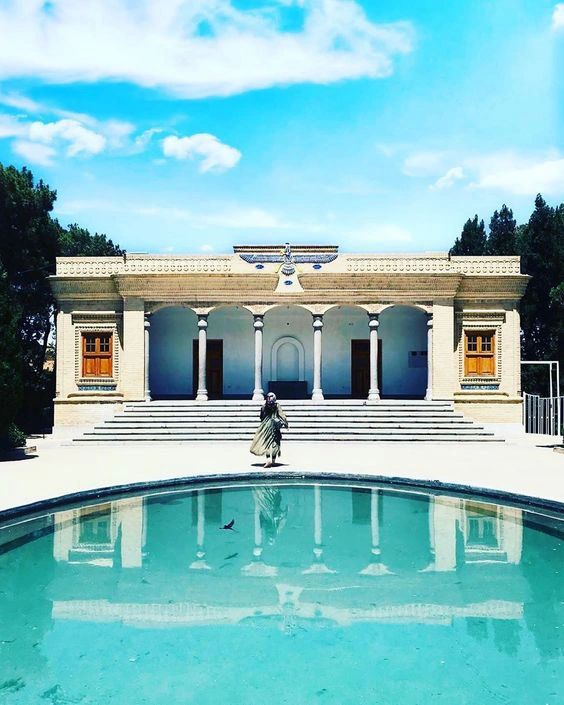
The Persians, arising from the deep roots of the thousands of years of civilization of Iran, with an unquestionable emphasis on the national identity, the Persian language and the Aryan glory of this land, have based their existence not on geography, but on the historical mission of a nation that once overshadowed half of the world.
Our fundamental policy is clear and stated without pretense:
We believe that returning to Iranian originality - not in the sense of nostalgia, but as a civilizational project - is the only path to survival, prosperity and true independence.
We have chosen this path with full awareness of its costs, because preserving national identity is preserving honor.
For us, Iran is not a name; it is a commitment, it is one blood, it is one root.
April 1, 2026
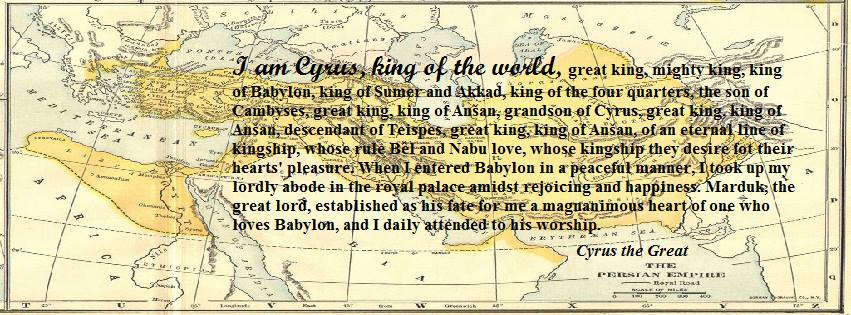
The Persian Empire, like the former German Empire and the vast country under Napoleon, was an empire in the modern sense of the word, for it was made up of various countries which, although dependent on the Persian Empire, retained their individuality, customs, and laws. The general laws that were enacted, while binding on all, did not lead to ethnic hatred, but even supported them, so that each of the peoples that created the empire had its own political system. Just as light shines on everything and fills each with a way of life, so the Persian Empire embraced many peoples and left each free in its own unique character and character. Some of those peoples even followed their own kings, and had their own language, saddlery, way of life, and customs, and all of them lived peacefully together under the shelter of the impartial authority of "enlightenment." The Persian Empire embraced all three geographical elements that we have already recognized from each other. First, the mountains of Persia and Media; second, the valleys of the Tigris and Euphrates, whose inhabitants were united under the shadow of an advanced civilization; and also Egypt, that is, the Nile Valley, which has nurtured industrial and agricultural techniques and all kinds of knowledge in its bed; and finally, the third element of the Persian Empire must also be mentioned, and these were the peoples who went to the forefront of the dangers of the seas, namely, the Syrians and the Phoenicians and the inhabitants of the Greek colony and the coastal states of Greece in Asia Minor. Thus Iran mixed the three natural principles, while China and India were strangers to the sea. In Iran there was neither the sign of that unified whole that I saw in China, nor the chaos that lust created throughout Hindu life. Here the government, although it brought all the peoples together in a centralized unity, left each of them to itself; And thus the savagery and cruelty that were committed in the conflicts of peoples with each other, and which the Book of the Prophets and the Book of Samuel of the Torah testify to, came to an end. The lamentations of the Jewish prophets and their curses on the conditions existing before the opening of Babylon by Cyrus tell of the darkness, ruin, and confusion of their condition, as well as of the happiness that Cyrus bestowed upon all of Western Asia. The Asians were not accustomed to mixing independence, freedom, and agility of thought or civilization, that is, with attachment to various professions and amusements and the enjoyment of the means of comfort of life. Bravery in war is compatible with them only with savagery. This bravery is not the kind of bravery that is calm and based on order; and when it accepts various cultural attachments, their manhood soon weakens, their strength diminishes, and they become men who are slaves to success.
Taken from the book Reason in History, Georg Wilhelm Friedrich Hegel
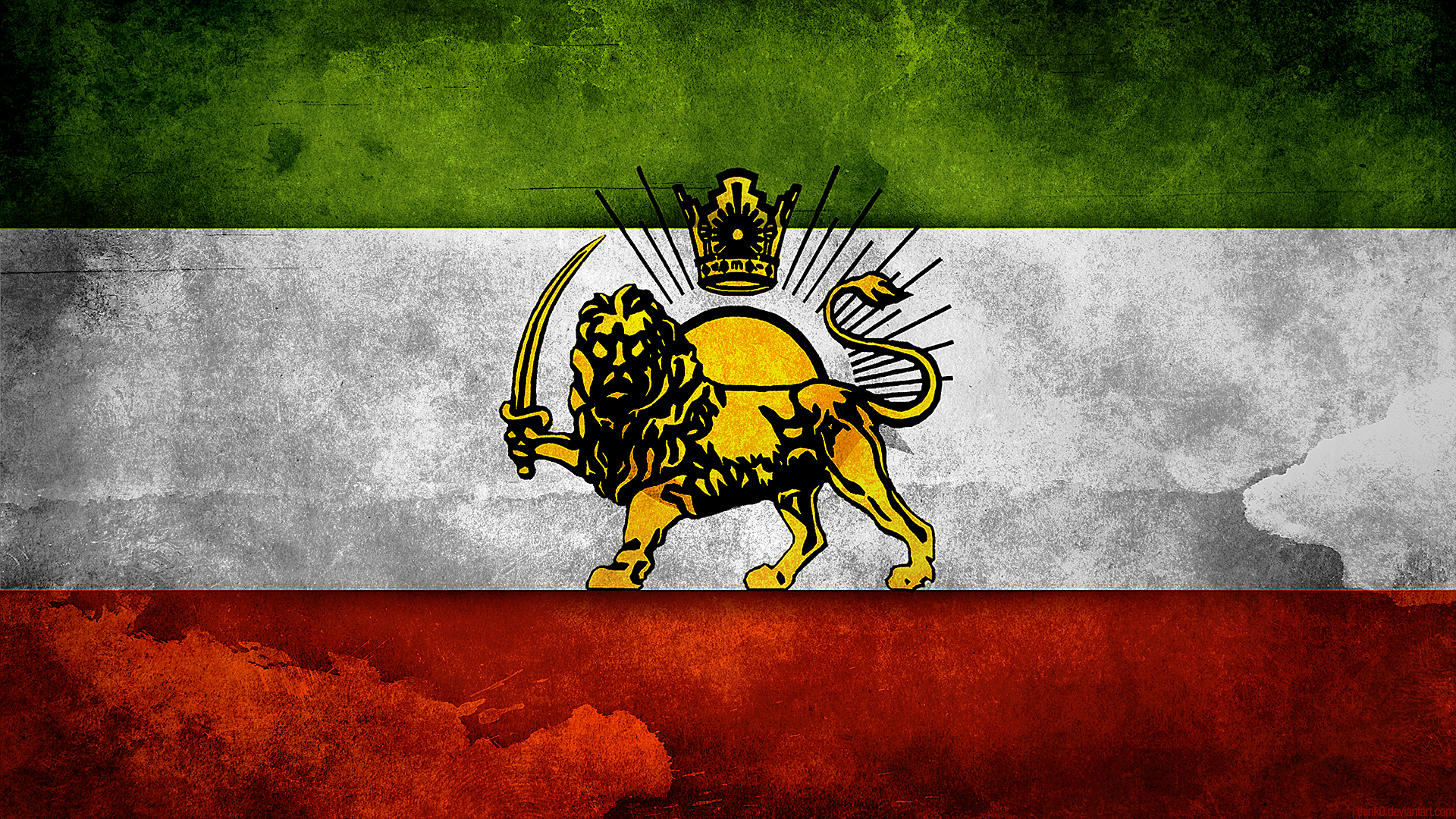
Pars Enterprise, while expressing deep concern about the media content and divisive approaches that have been published in recent years by some domestic and especially foreign platforms, announces that the continuation of such activities could cause public concern, undermine social stability, and create a platform for abuse by hostile currents.
Based on internal assessments of Pars Enterprise, the methods used in some programs, including constant changes in positions, contradictory narratives, and the presentation of provocative analyses, actually work to weaken national cohesion and fuel social divisions. We consider this type of media action a threat to national unity and the cultural security of the country and evaluate it as contrary to the principles of media responsibility and professional ethics.
Pars Enterprise emphasizes that any media activity, especially those that have a wide impact on the audience, must be based on respect for national interests, transparency, honesty, and social responsibility. We call on all relevant institutions and media organizations to be vigilant about the social and security implications of such content and to investigate it within the framework of international and legal laws.
Pars Enterprise is committed to protecting national unity, raising awareness, and confronting any divisive currents, and will focus its efforts on promoting a healthy media environment.