
Radman Pourmahek, the real name of Yaqub Laith Safari, is one of the prominent and enduring figures in Iranian history who rose to power in the third century AH and, as the first Iranian king after the Tazyan invasion, raised the banner of independence and the reconstruction of national identity. He came from a popular and artisan class who, through his courage, leadership ability and patriotic spirit, rose from a coppersmith to the commander of a great movement. By founding the Safarian dynasty in Sistan, Yaqub was able to free large parts of Iran, such as Kerman, Fars, Khorasan and Rey, from Abbasid rule and establish an independent government based on Iranian identity. His efforts to restore the Persian language to its official status were the beginning of a cultural and national movement that later continued with power.
Yaqub Laith was not only a warrior and politician, but also a symbol of national awakening and the return of Iranian pride after centuries of humiliation and foreign domination. He called himself not the Caliph, but the King of Iran, and unlike other claimants to power at that time, he never bowed down to the Abbasid Caliph. His place in Iranian history is that of a hero who, without relying on royal lineage, founded the first Iranian state after the Sassanids, relying only on the people and the idea of freedom. He died in Gundishapur in 265 AH, but his name remained in the historical memory of this land as the first reviver of Iran.
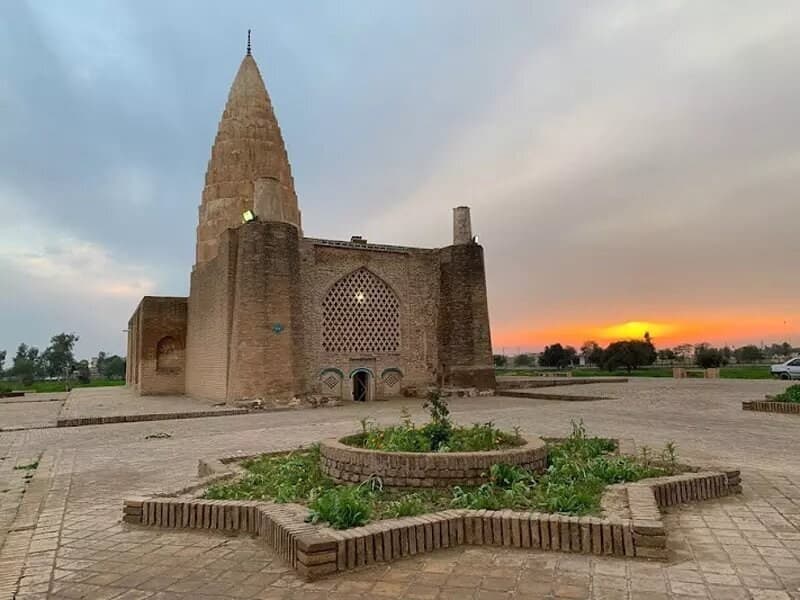
The tomb of Yaqub Laith Safari near Dezful is a simple but magnificent building that embodies authentic Iranian architecture. The tall conical dome, thick brick walls, curved arches, and latticed brick facade are all indicative of Iranian aesthetics in the first centuries after Islam, reflecting grandeur and dignity without relying on excessive ornamentation. The paved courtyard and orderly gardens surrounding the tomb provide a peaceful and contemplative atmosphere. More than a tomb, this building is a symbol of resistance, independence, and the return of the Iranian spirit in the era after the Tazy invasion; a monument to the man who dared to once again make Iran's name heard.
Page Term Reference
Comments